
Mixing Antiques and Modern Furniture in Period Homes
Why I love combining old and new, and how antiques, contemporary furniture, interesting fabrics and carefully chosen details can give a period home its own character.
One of the things I enjoy most about designing interiors for period homes is bringing together pieces from different eras. I have always been drawn to antiques, but I also love contemporary furniture, lighting and fabrics. For me, the most interesting interiors are rarely those where everything comes from the same period or follows one particular style.
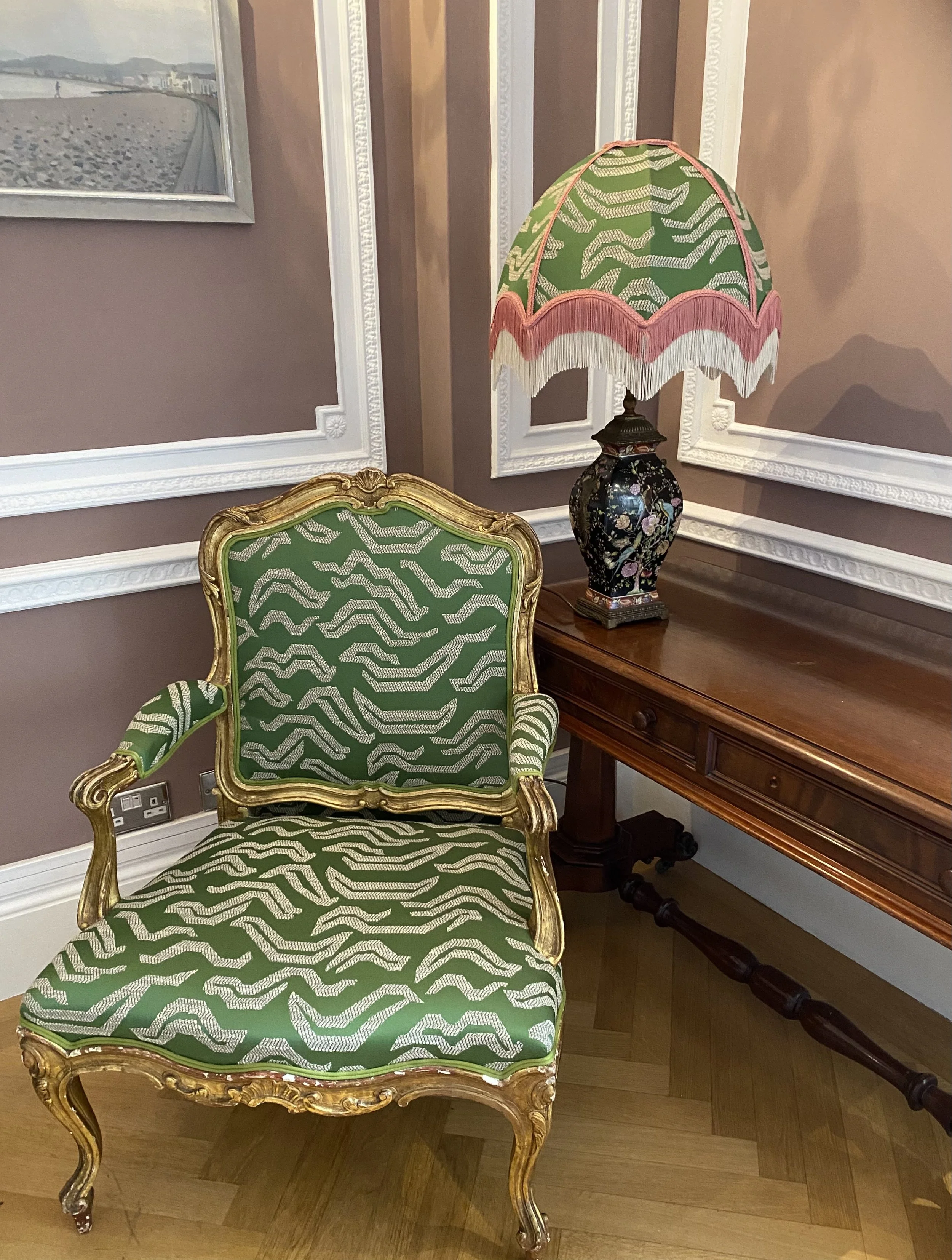
An antique table can look wonderful alongside a contemporary sofa; an old mirror can bring depth and character to a more modern room; and a beautifully restored chair, upholstered in an unexpected fabric, can become a real focal point.
I don't think a period home needs to be furnished entirely with traditional pieces to respect its architecture. Equally, filling an older property with nothing but new furniture can sometimes leave it feeling rather flat. It's the contrast between old and new, and the way the pieces sit together, that makes a home feel individual.
Why I love mixing old and new
Antiques bring a sense of history that is difficult to replicate. They often have interesting shapes, beautiful craftsmanship and finishes that have developed over many years. Even a relatively small piece, such as an occasional table, mirror or antique lamp, can add warmth and character to a room.
Contemporary pieces offer something different. They can introduce cleaner lines, fresh materials and a more relaxed way of living. I particularly enjoy using modern furniture to prevent a period interior from feeling too formal or traditional.
The trick is not to make everything match. Instead, I look at the proportions, shapes, materials and colours of the pieces and consider how they work together. Sometimes the contrast is what makes the combination interesting.
Giving antique furniture a new lease of life
I love finding an older piece of furniture that has the potential to become something special again. Not every antique needs to be left exactly as it was found. Sometimes a little restoration or a new covering can make all the difference.
Reupholstering an old chair, for example, is a lovely way to preserve its shape and craftsmanship while giving it a completely different feel. The choice of fabric can transform it, whether that's a richly textured velvet, an embroidered design or something with a bolder pattern.
I particularly enjoy the process of looking at fabrics in person. Visiting the fabric houses and exploring the trimmings at Design Centre, Chelsea Harbour and the surrounding showrooms is a real source of inspiration. A particular weave, colour combination, fringe or braid can influence the direction of an entire scheme.
I like the idea of giving a piece another chapter in its life rather than automatically replacing it with something new.
Where I look for antiques and vintage pieces
Finding the right piece is part of the enjoyment of designing a home. I like looking beyond the obvious furniture showrooms and exploring antique dealers, vintage specialists and architectural salvage.
I've used Vinterior to source mirrors and furniture. It's a useful place to discover pieces from different periods and styles, and I enjoy seeing the variety of furniture and decorative objects available.
I also love visiting antique markets and looking for things that have a little individuality. Sometimes it's a mirror with an interesting frame, a small table or a chair with a lovely shape. These pieces don't necessarily need to be expensive or particularly grand to make a difference to a room.
I'm not always looking for something perfect. Often, it's the slightly unusual pieces, with their own character and history, that bring the most to an interior.
Architectural salvage and pieces with a story
Architectural salvage is another wonderful way to introduce history and character into a home, particularly when working with period properties that have lost some of their original features.
I've sourced fireplaces through LASSCO, including fireplaces from French châteaux. I love the thought of bringing a piece of architectural history into a home and giving it a new setting.
A reclaimed fireplace can provide a beautiful focal point, particularly when its proportions and detailing complement the architecture of the room. It also brings a sense of age and permanence that can be difficult to achieve with something newly made.
I think these pieces work especially well when they aren't surrounded by too many other traditional elements. A salvaged fireplace alongside contemporary furniture, modern artwork or an unexpected colour scheme can feel much more interesting than a room where everything belongs to the same era.
Getting the balance right
There isn't a strict formula for mixing antiques and modern furniture, but I do think a few things are worth considering.
Proportion is important. An antique piece may have quite a different scale or silhouette from contemporary furniture. I look at how the pieces relate to one another and to the room, rather than choosing everything individually.
Colour helps bring things together. I often use fabrics, paint and accessories to create a connection between pieces from different periods. They don't have to be identical in colour, but there should be a sense of harmony across the scheme.
Texture adds depth. A polished wooden antique, a linen sofa, a velvet chair and a contemporary metal light can all work beautifully together. Different finishes stop a room feeling too uniform.
Allow interesting pieces some space. If an antique has beautiful carving or an unusual shape, it deserves to be noticed. I prefer to give special pieces room to breathe rather than fill every corner.
Ultimately, I think it comes down to trusting your eye and choosing things that have a reason to be in the room.
Making a period home feel personal
One of the things I want to avoid when designing a home is making it feel as though it has been furnished entirely from one showroom. I want the rooms to feel as though they have evolved, with a mixture of pieces that have been found, collected, restored and chosen over time.
This is particularly important in period homes. The architecture already gives you a wonderful starting point, but the furniture and decorative details are what make the interior feel personal to the people who live there.
An antique mirror, a restored chair in a beautiful fabric, a contemporary light or a reclaimed fireplace can each contribute something different. Together, they create layers of interest and a sense of individuality.
For me, good interior design isn't about following a particular period or trend. It's about understanding what works for the house, what the client loves and how to bring those things together in a way that feels natural.
Bringing old and new together in your home
Mixing antiques with contemporary furniture is one of my favourite ways to create interiors with warmth, depth and character. It allows the history of a period property to sit comfortably alongside modern living, without the home feeling overly traditional or too contemporary.
Whether it's restoring and reupholstering an existing piece, sourcing an unusual antique mirror, finding a reclaimed fireplace or choosing a contemporary piece of furniture to sit alongside an old favourite, the most successful combinations are often the ones that feel unexpected but completely right.
I work with homeowners across London and the surrounding areas, helping them create individual interiors that respect the character of their homes while reflecting the way they want to live.
If you're renovating a period property or looking to bring a more considered mix of old and new into your home, I'd love to hear about your project.
Get in touch to discuss working together.Mixing antiques with modern design isn’t about following strict rules. It’s about creating a home that feels layered, lived-in, and uniquely yours. The secret lies in balance — knowing how to let history and modernity share the same space without competing for attention.
