
A Kitchen with Curves: Natural Oak, Terracotta and a Bespoke Island
A Kitchen with Curves: Natural Oak, Terracotta and a Bespoke Island
An individual take on kitchen design, combining a curved island clad in reeded oak, bespoke kitchen doors, warm natural materials and made-to-measure dining furniture.
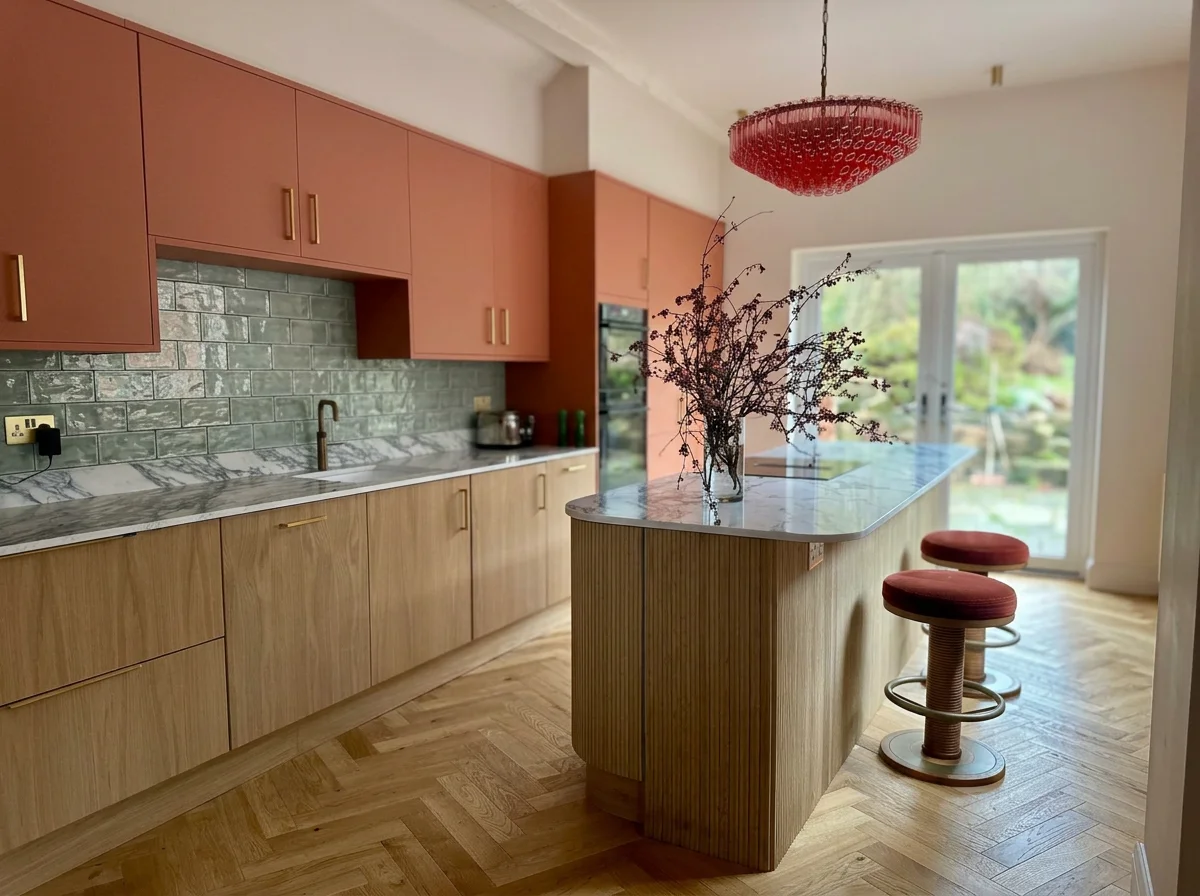
An individual take on kitchen design, combining a curved island clad in reeded oak, bespoke kitchen doors, warm natural materials and made-to-measure dining furniture.
When I discussed my client's preferences for the design, she told me how much she loved curved shapes, so I wanted to make this a defining feature of the scheme. Rather than following a conventional kitchen layout, we explored how softer, rounded forms could bring a different character to the space, from the kitchen island through to the bespoke dining furniture.
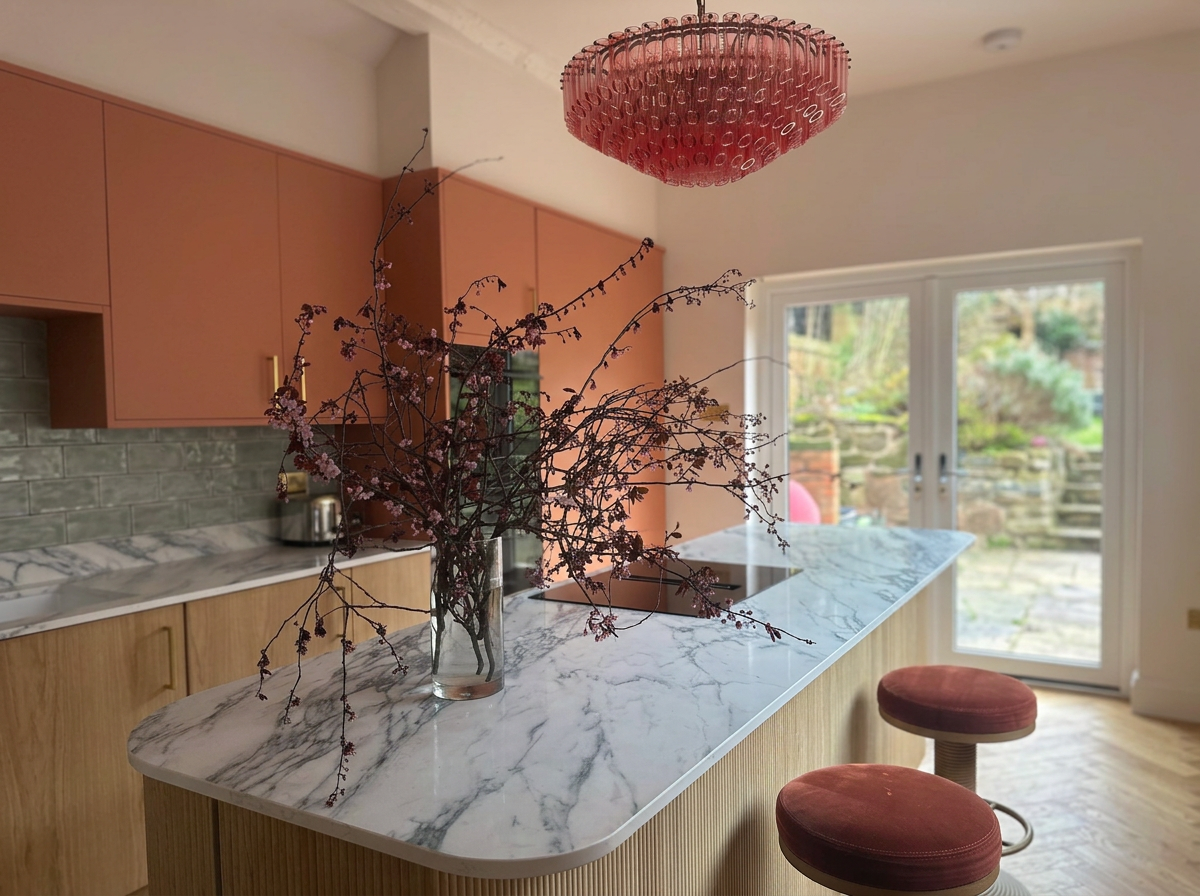
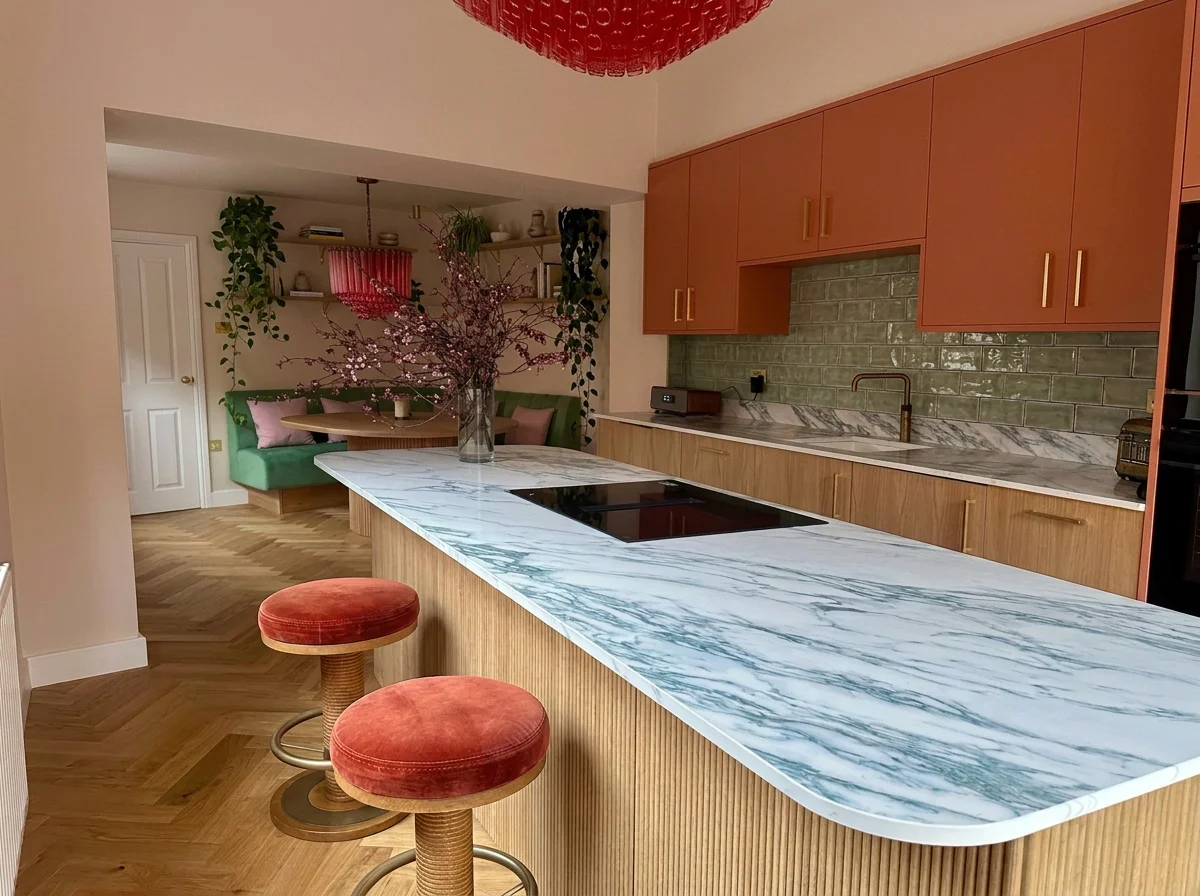
The starting point was a curved island from Howdens, which I transformed by cladding it in reeded oak. This simple but effective intervention completely changed its appearance, adding texture, warmth and a sense of craftsmanship. The vertical detailing follows the curve of the island, emphasising its shape and giving it a much stronger architectural presence.
The island became the natural focal point of the room, with the rest of the kitchen and dining area designed around it.
A palette of natural oak and terracotta
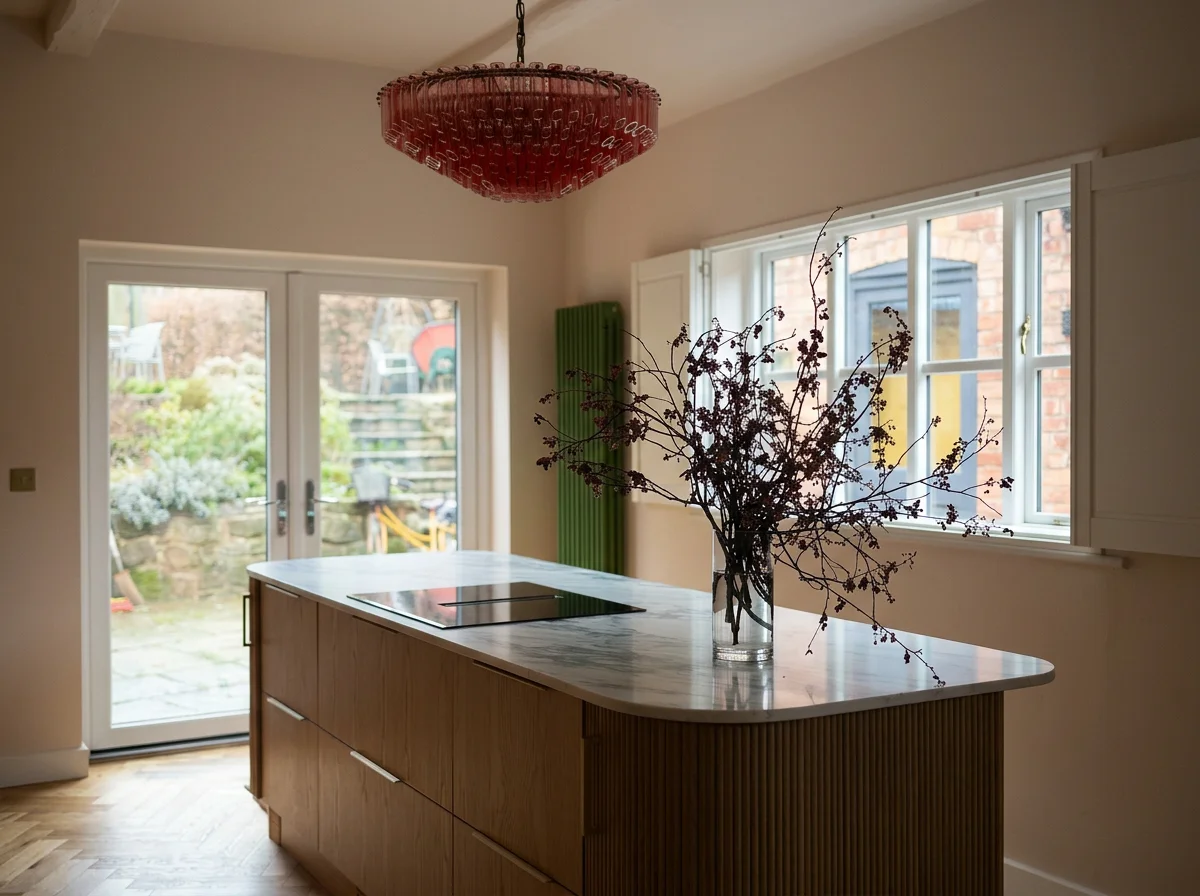
I chose a combination of natural oak and warm terracotta for the kitchen cabinetry. The kitchen doors were made by Naked Kitchens, allowing the cabinetry to be tailored to the design and the overall look I wanted to achieve.
The natural oak base units bring a lovely sense of warmth and texture, while the terracotta-coloured wall cabinets introduce a stronger decorative element.
The contrast between the two finishes gives the kitchen depth without making it feel overly busy. Green glazed wall tiles add another layer of colour, with their varied surface bringing texture and an organic quality to the scheme. The veined worktop, with its subtle green tones, provides a further contrast, bringing together the different colours and finishes.
I wanted the palette to feel warm and welcoming, but also to have enough character to stand out. The combination of oak, terracotta and green achieves this beautifully. I painted the walls in Kimchee Fan, a pale plaster shade by Coat Paints. Previously, the space had felt very cold and uninviting, so it was important to create an atmosphere that felt warm, welcomin
Comfort and considered details
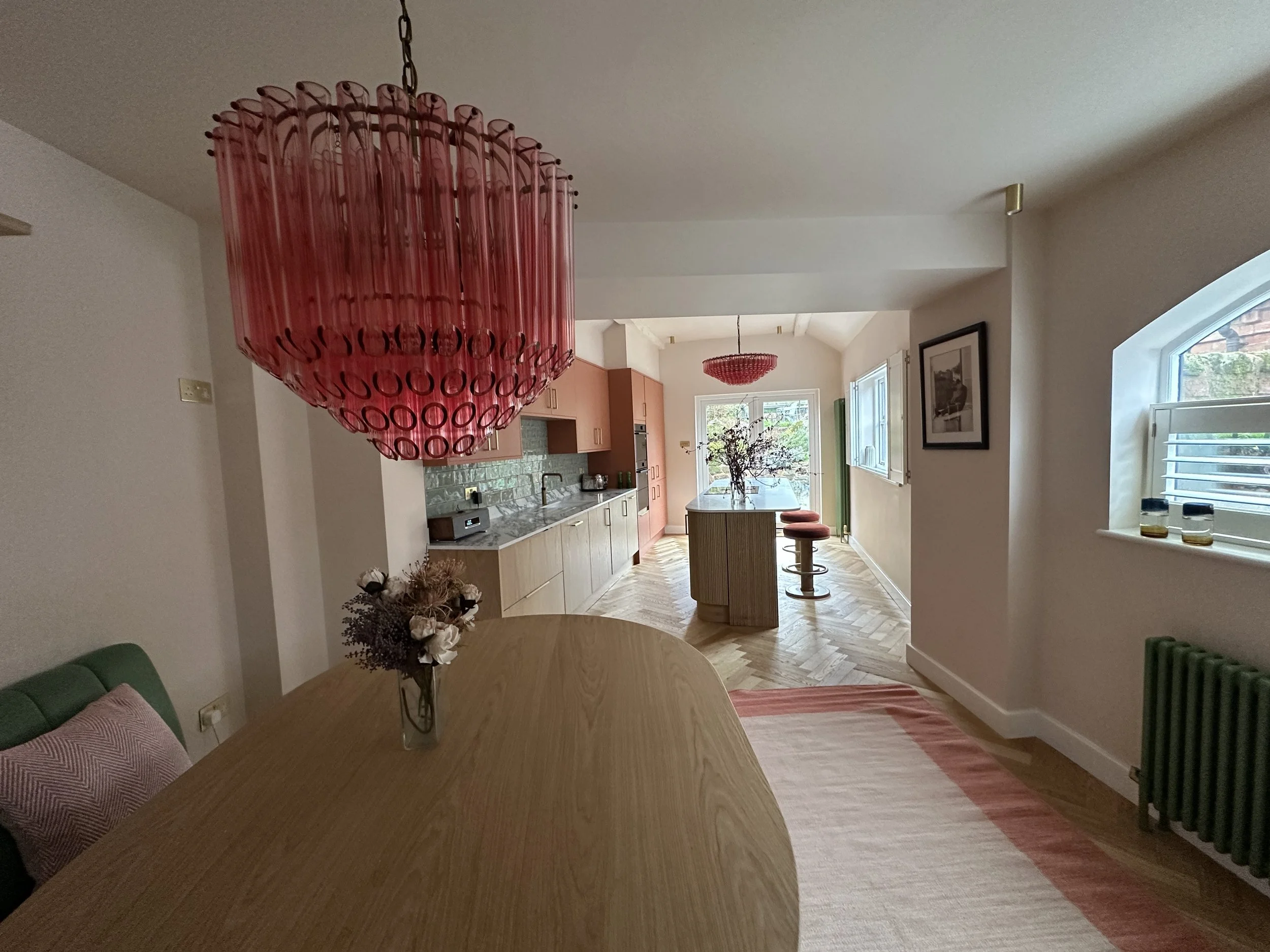
As well as the aesthetic elements, it was important to consider how the space would feel to live in day to day. Underfloor heating provides a gentle, consistent warmth underfoot, helping to create a comfortable environment throughout the kitchen and dining area. It is also a practical solution in an open-plan space, keeping the warmth discreet and allowing the design to remain uncluttered.
Architectural-style radiators were another considered detail. Rather than treating them as purely functional necessities, I wanted them to contribute to the overall look of the interior. Their more sculptural appearance adds another design element, complementing the natural materials and carefully considered finishes throughout the room.
Curves throughout the space
Because my client particularly liked curved shapes, I wanted to carry this detail beyond the kitchen island and into the dining area, which forms part of the same open space.
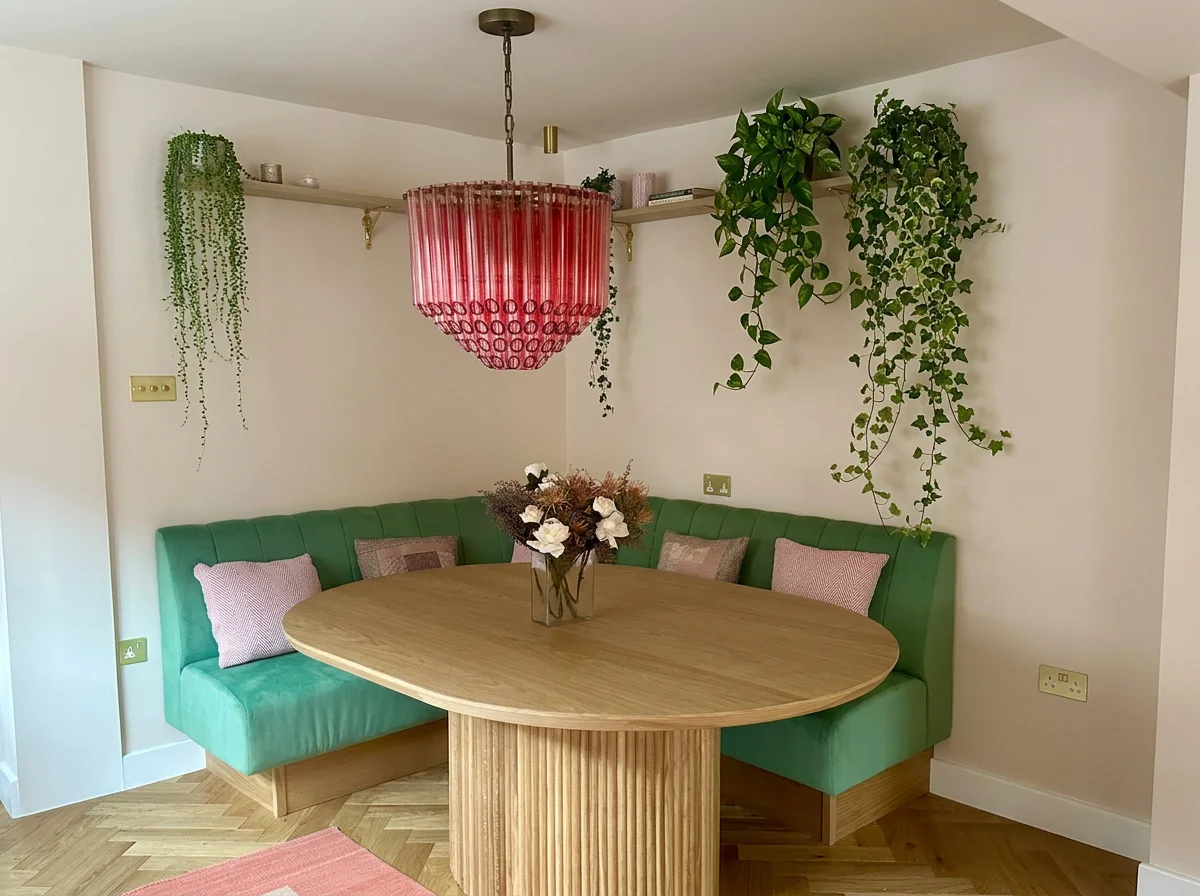
I had an oak dining table custom-made, with a softly rounded top and a sculptural, reeded pedestal base. The detailing echoes the island, creating a visual connection between the two and giving the room a lovely sense of continuity. The repeated curves and reeded oak bring the kitchen and dining elements together, so that they feel part of one considered design.
The banquette seating was also made bespoke for the space. Upholstered in a pistachio green fabric, it brings a welcome contrast to the oak and terracotta, while its curved shape creates an inviting place to sit and gather. Pink cushions pick up the warmer tones elsewhere in the room and add another playful detail.
The dining area is an integral part of the kitchen, creating a natural place to enjoy a leisurely breakfast, sit with friends or spend time together while someone is cooking. The bespoke furniture helps make the most of the space while giving it a more relaxed, lived-in feel.
Lighting as a statement
Lighting was an important part of bringing personality to the scheme. The statement pink glass chandelier above the dining table and island is both decorative and sculptural, adding colour and a sense of occasion.
Rather than treating lighting as a purely practical consideration, I wanted it to contribute to the overall design. Its rich pink tone works beautifully with the terracotta cabinetry and green upholstery, adding another unexpected colour to the palette.
The oak shelving, supported on delicate brass brackets, provides a simple finishing detail and a place to display favourite objects, while introducing another natural material into the room.
A kitchen designed around character
What I particularly like about this project is the way the design reflects my client's love of curves. The curved Howdens island became a distinctive centrepiece through the addition of reeded oak, while the bespoke doors by Naked Kitchens and the custom-made dining table and banquette seating helped create a cohesive design throughout the space.
Natural materials, warm colours, curved forms and carefully chosen decorative details all play their part. The result is a kitchen and dining space that feels inviting and practical, but also has the personality and individuality of a thoughtfully designed interior.
For me, good interior design is about understanding what a client loves and finding creative ways to bring those preferences into a home. Here, that meant embracing curves and carrying them throughout the room to create a space that feels cohesive, distinctive and personal.

Where Interior Designers Source Furniture, Lighting & Antiques in London
Sourcing is one of the most important — and often least visible — parts of an interior design project. In London particularly, sourcing goes far beyond simply choosing furniture online. It is about building layers, balancing old and new, understanding craftsmanship and creating interiors that feel personal rather than formulaic.
From antique markets and architectural salvage to specialist fabric houses and independent makers, a personal look at how I bring together old and new to create individual interiors.
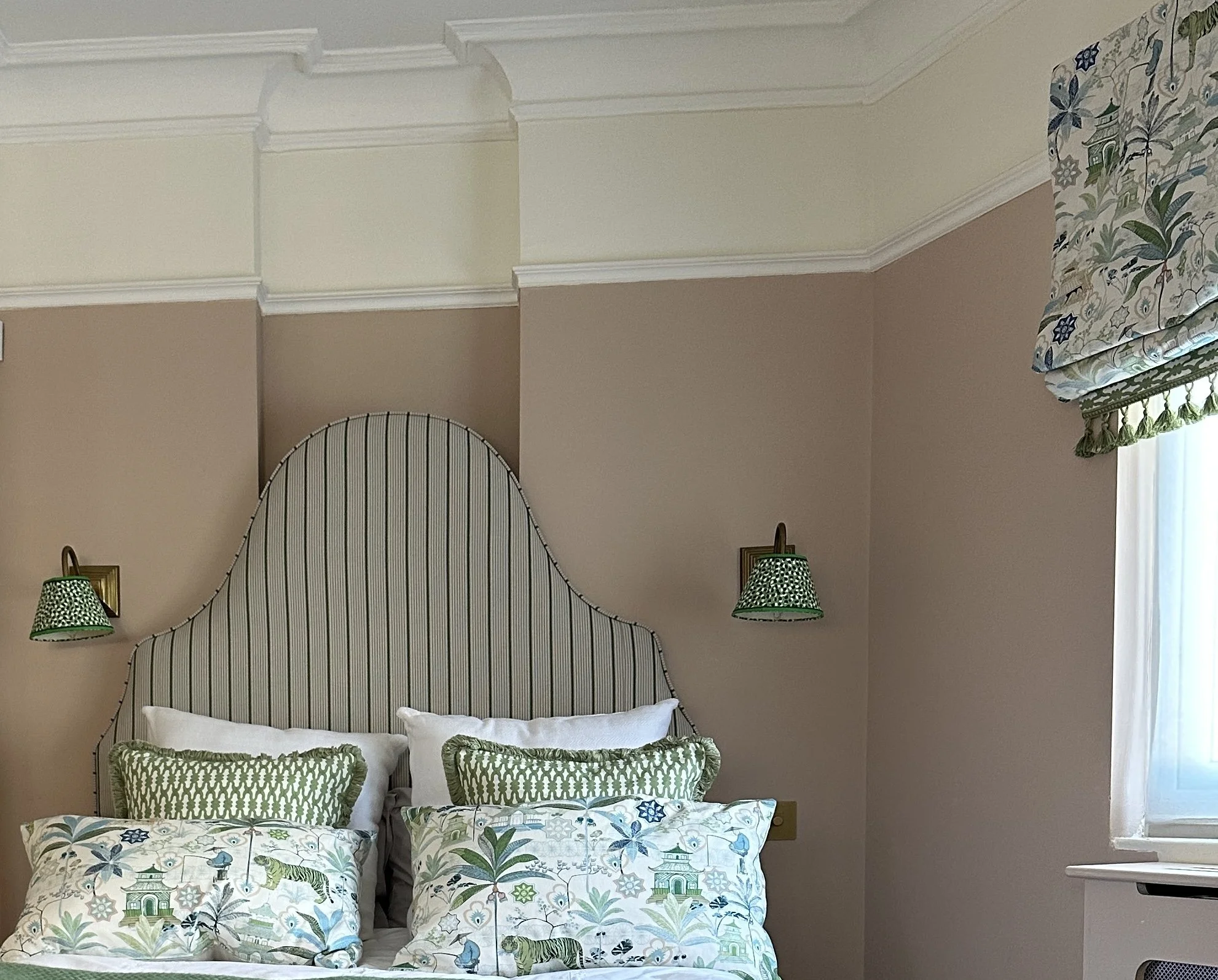
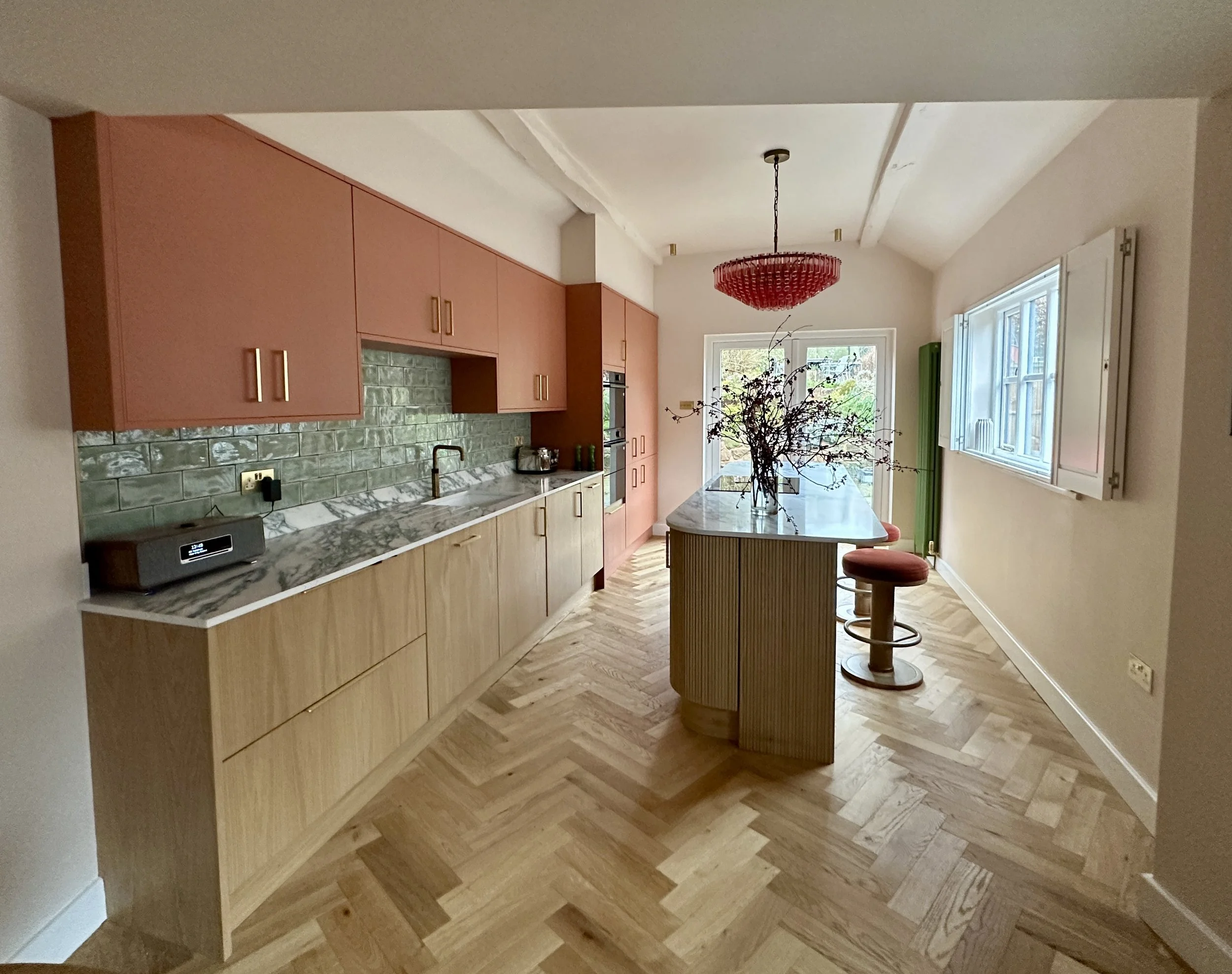
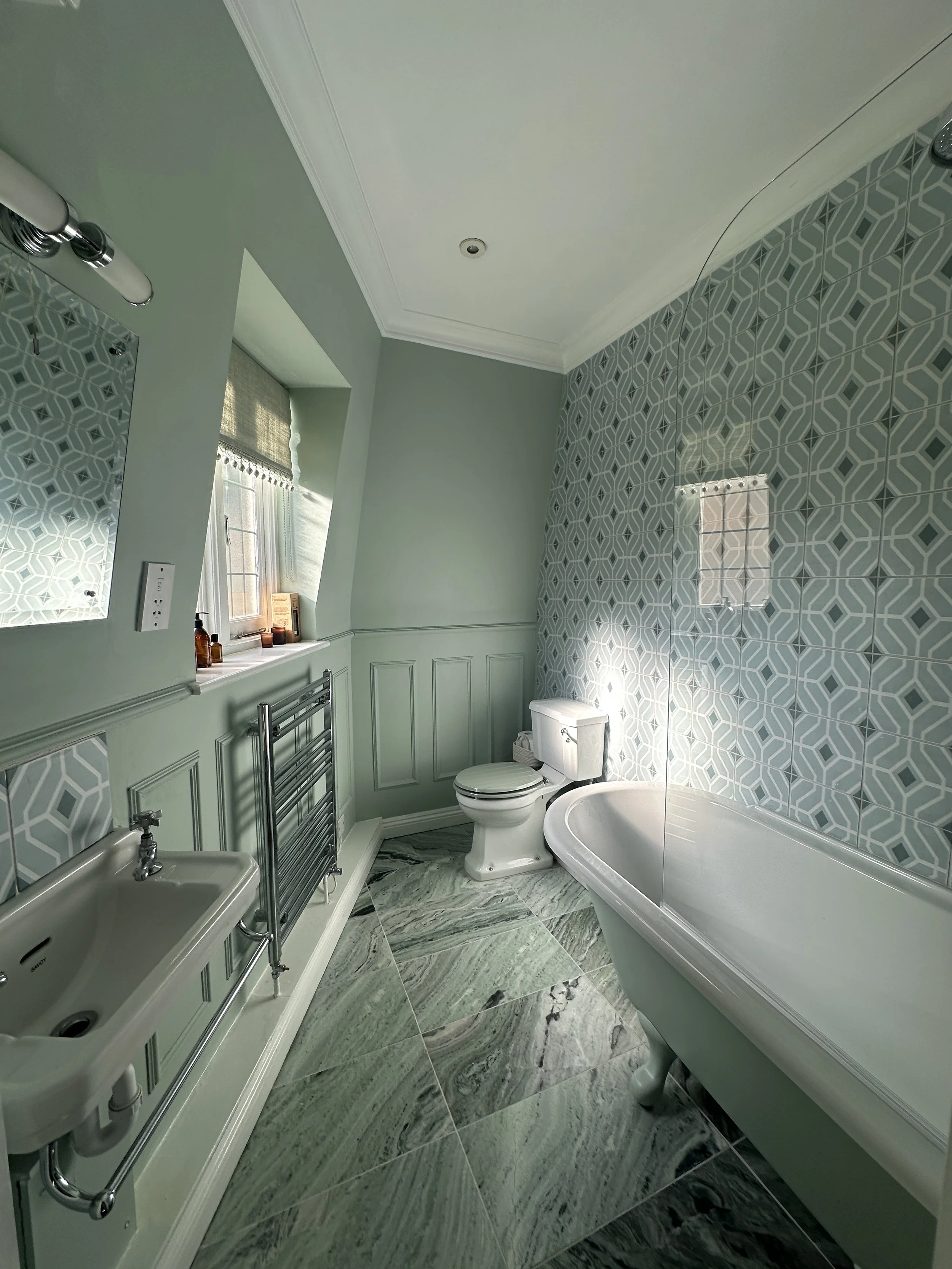
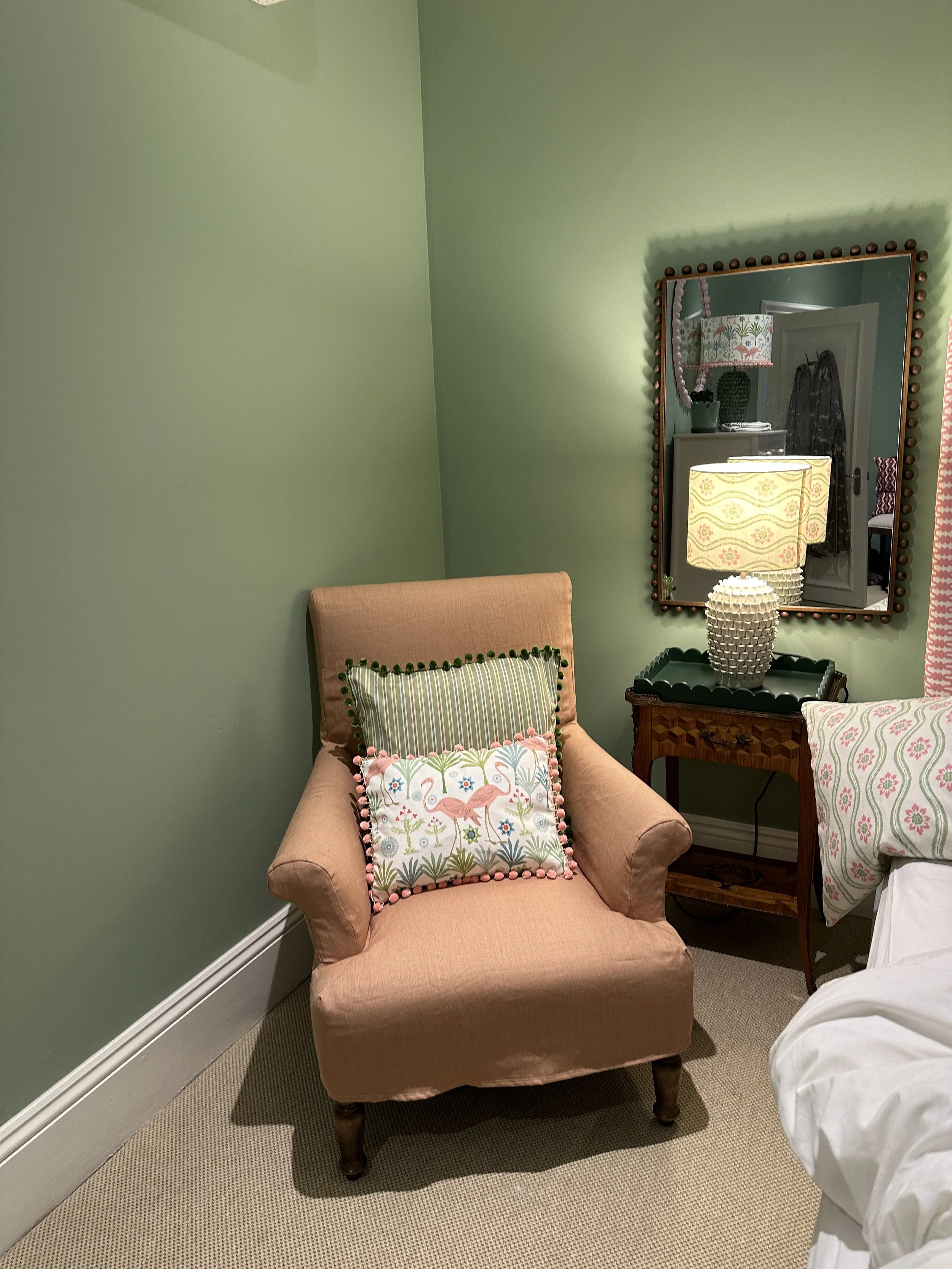
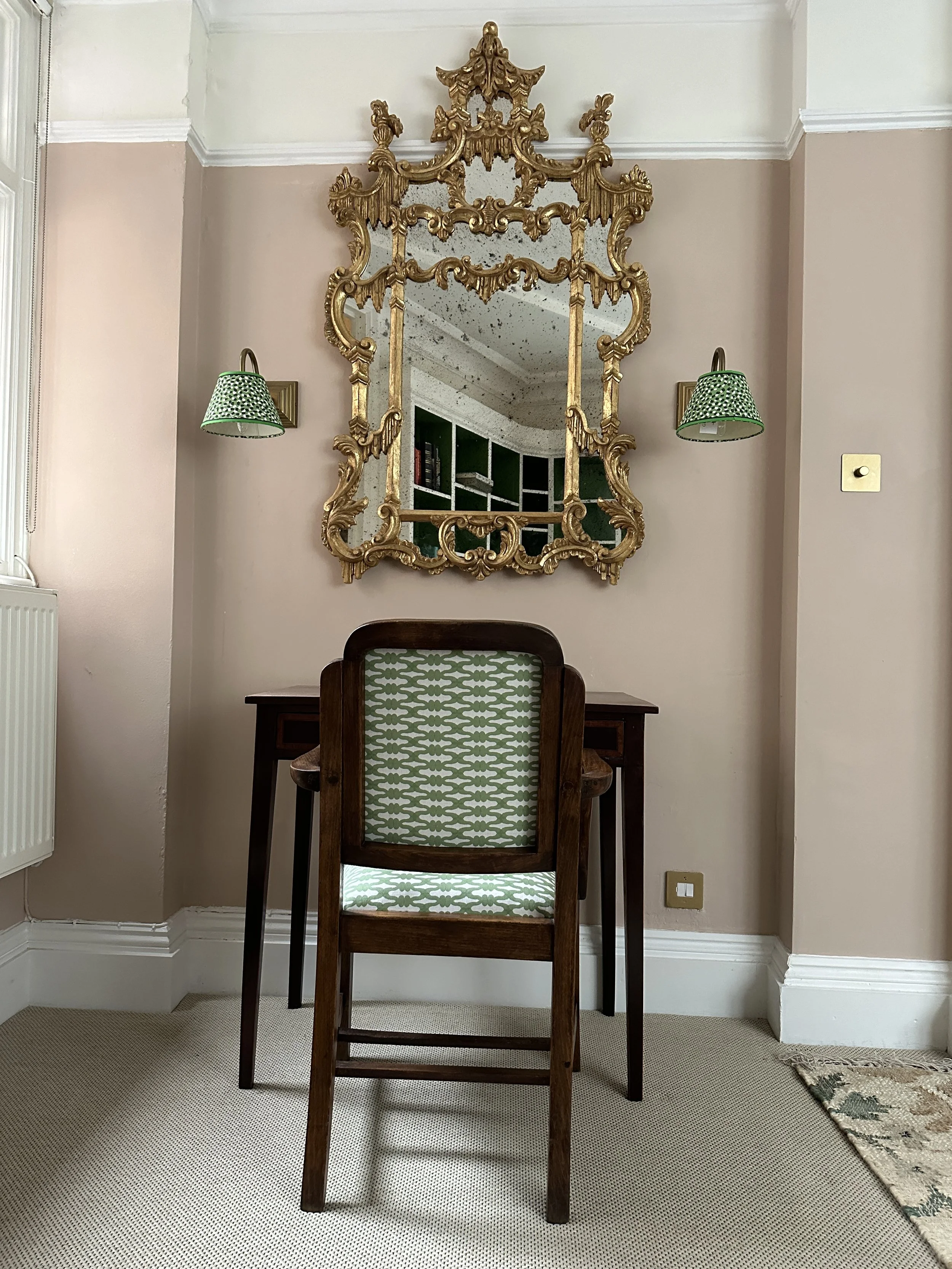
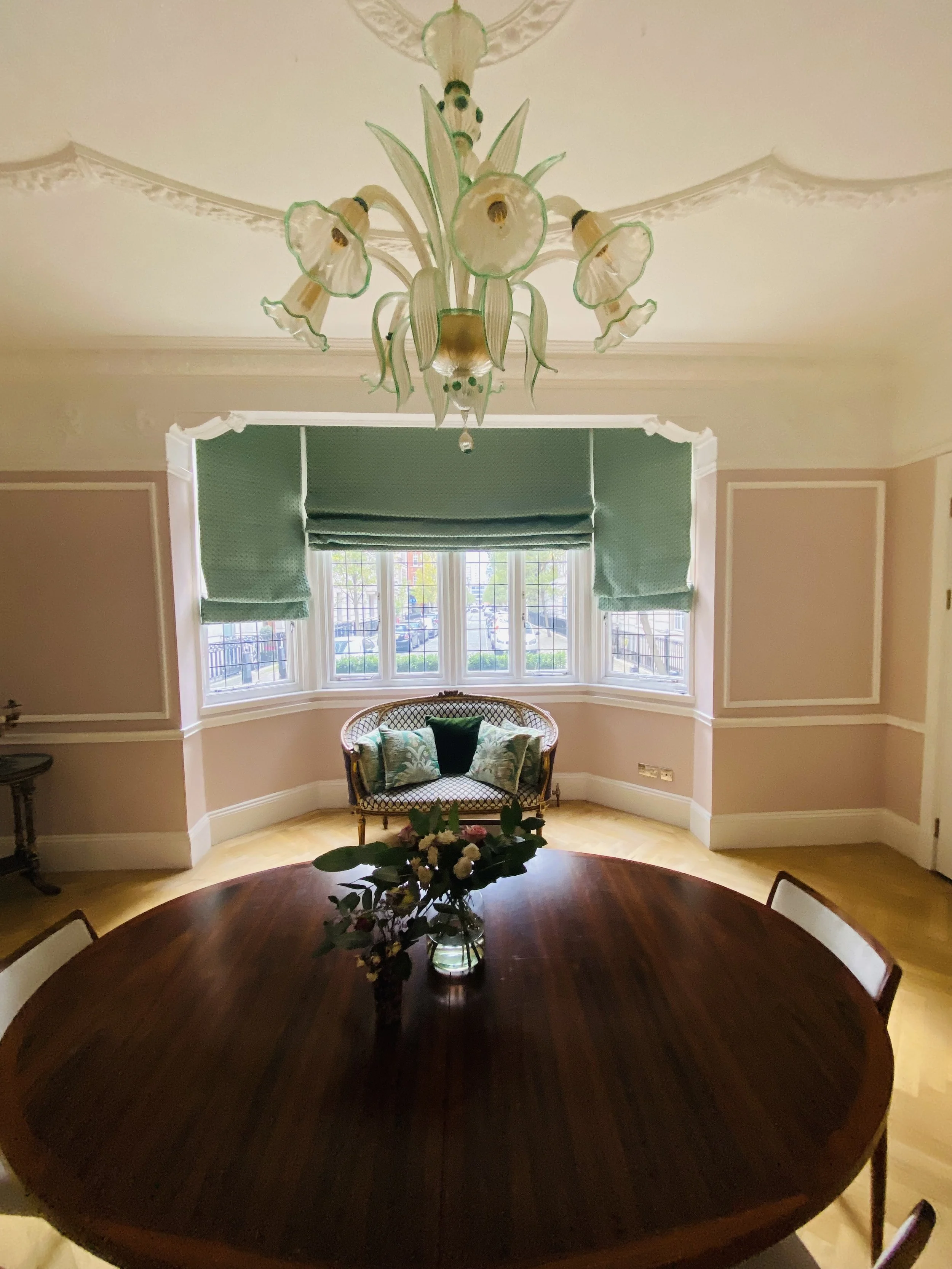
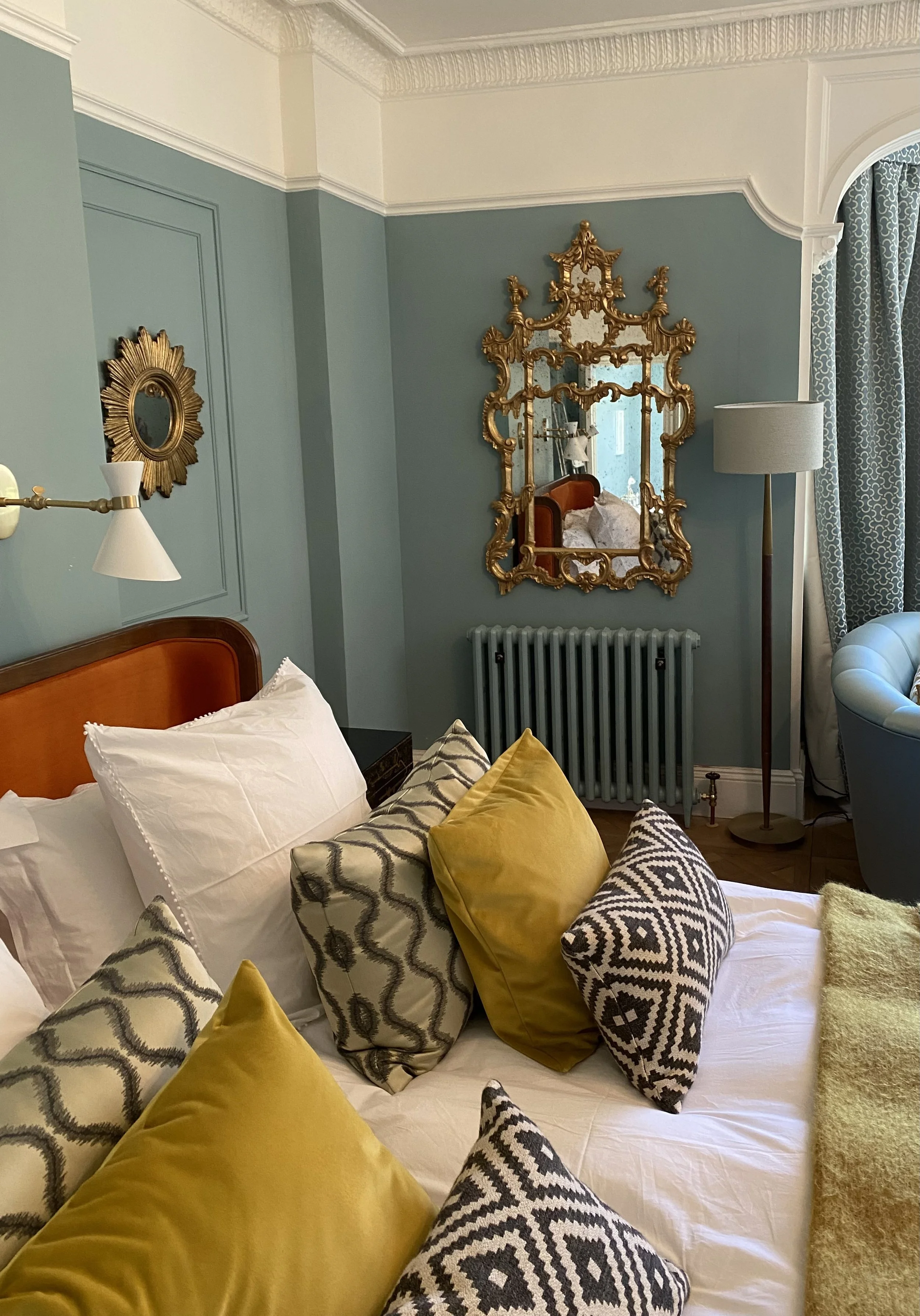
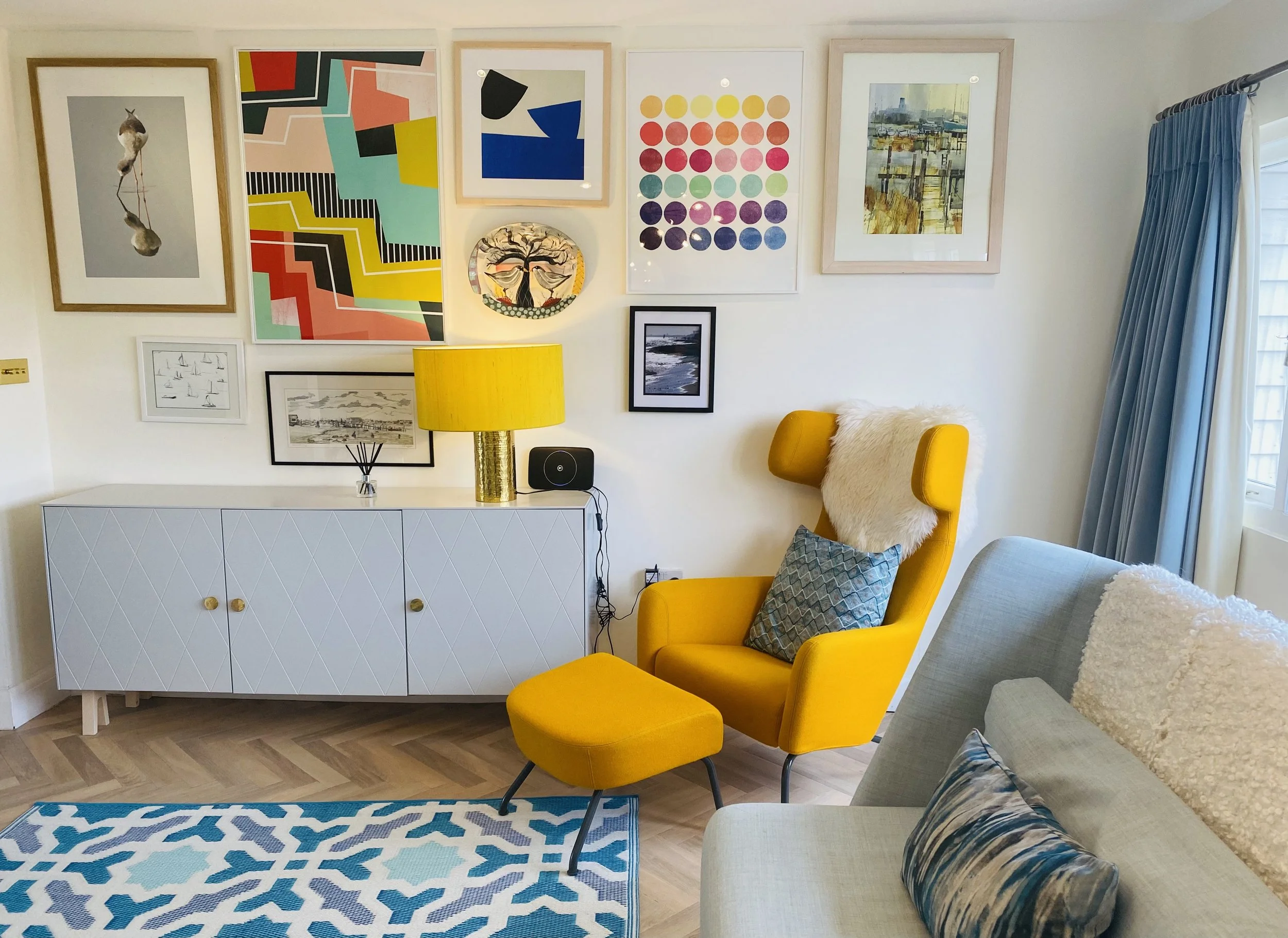
For me, one of the most enjoyable parts of interior design is discovering the pieces, fabrics and details that give a home its individuality. It might be an antique chest with a beautiful patina, a contemporary light that brings a little unexpected drama to a room, or a vintage chair that deserves a new lease of life.
I have always been drawn to the combination of antique and contemporary design. I don't believe a period home needs to be filled entirely with traditional furniture, nor do I think everything should be new. It is the contrast between different periods, materials and finishes that can make an interior feel interesting, comfortable and personal.
Sourcing is about much more than finding something attractive. It means thinking about the architecture of a property, the proportions of a room, the way it will be used and, above all, the people who live there. London has a wonderful range of places to discover furniture, lighting, antiques and specialist craftsmanship. These are some of the places and resources I look to when developing ideas and bringing character and individuality into a home.
Design Centre, Chelsea Harbour: fabrics, trimmings and inspiration
Design Centre, Chelsea Harbour is one of my favourite places to explore when developing ideas for an interior scheme. With its wonderful collection of fabric houses, wallpaper showrooms, furniture and lighting, it is a place where inspiration can come from the most unexpected details.
I particularly enjoy looking at fabrics and trimmings. A beautiful embroidered fabric, an unusual weave, a velvet in just the right shade or an interesting fringe or braid can spark an idea that develops into the direction for an entire room. Sometimes a scheme begins with a fabric or a particular colour combination, and everything else follows from there.
I love the process of bringing these elements together, considering how pattern, texture and colour will work with the architecture and existing features of a home. Seeing and handling fabrics in person is invaluable; the texture, weight and subtle variations in colour are often difficult to appreciate from a photograph or a sample viewed online.
The surrounding Chelsea Harbour area also offers plenty to explore, with specialist showrooms and suppliers providing further inspiration. Visiting these fabric houses, looking through collections and discovering new trimmings can be a huge source of inspiration and can help shape the final scheme.
For me, these visits are about more than choosing a fabric or a trimming. They are an important part of the creative process, helping to build a layered and individual scheme with warmth, character and a sense of personality.
Lighting: creating atmosphere and character
Lighting can completely change the feeling of a room. I like to think about it as part of the overall design rather than something to choose at the end.
A decorative pendant or chandelier can become a focal point, while table lamps and wall lights create softer pools of light that make a room feel welcoming in the evening. In period properties, I particularly enjoy the contrast of contemporary lighting against traditional architectural details.
Pooky is one source of decorative lighting worth exploring, with a varied selection of lamps, shades and wall lights. For something more unusual, vintage dealers and reclamation yards can also be interesting places to look.
The right choice depends on the room, its proportions and the atmosphere you want to create. I always consider how the light will look and feel when the room is being used, rather than choosing a fitting simply because it looks striking in isolation.
Antique and vintage furniture: bringing history into a home
Antique furniture brings something to an interior that can be difficult to reproduce: age, character and a sense of history. I love finding an older piece and imagining how it might work in a completely different setting, sitting alongside contemporary upholstery or a more modern finish.
For me, sourcing antiques isn't simply about finding something beautiful and bringing it home. It's also about recognising the potential in a piece and, where necessary, giving it a new lease of life through restoration or reupholstery. An old chair with lovely proportions, for example, can be transformed with carefully chosen fabric, while a tired piece of furniture can often be brought back to life by a skilled restorer.
I love the contrast of retaining the character and craftsmanship of an antique while introducing a fresh fabric, colour or finish. A beautiful antique chair upholstered in a contemporary fabric can become something entirely different, while still retaining the charm and character of the original piece.
I have sourced some lovely pieces through Vinterior, including mirrors and furniture. It's a useful resource for finding vintage and antique pieces from different periods and locations, and I enjoy the process of discovering something that has just the right character for a particular room. I always pay close attention to measurements, condition and the details of a piece before committing to a purchase, as it's important that it works within the overall scheme.
I also think there is real pleasure in visiting antique markets and looking beyond the obvious. In London and the surrounding area, Alfies Antique Market is a useful destination to explore. Chiswick Car Boot Sale and Sunbury Antiques Market are also worth knowing about if you enjoy searching for something unexpected.
It doesn't have to be a grand antique or an expensive statement piece. Sometimes a small side table, an interesting mirror or a well-chosen occasional chair is enough to add warmth and personality.
For me, the important thing is not to furnish a home in one particular period or style. It is to find pieces that have a connection with the property and the people who live there, and allow them to sit comfortably alongside newer additions.
Architectural salvage: giving original features a second life
When working with period homes, architectural salvage can be an especially valuable resource. A reclaimed fireplace, an old door, flooring or an architectural detail can bring a sense of authenticity to a renovation.
I have sourced fireplaces from French châteaux through LASSCO, and I love the character and history that these pieces can bring to a period home. A beautiful reclaimed fireplace can become a wonderful focal point, with its original details and patina adding something that is difficult to replicate with a newly made piece.
Retrouvius is another interesting resource, known for its use of reclaimed materials and unusual vintage finds. I like exploring specialist sources such as these because they offer the opportunity to find something with a history, rather than simply choosing something new.
I also like the idea of giving existing materials and objects another life. Where a property has lost some of its original character through previous alterations, reclaimed pieces can sometimes help restore a sense of history without trying to recreate the past too literally.
The key is to consider scale, condition and suitability. A reclaimed feature needs to feel as though it belongs in the space, rather than being added simply for effect.
Independent makers and specialist craftspeople
Not everything in an interior needs to be bought ready-made. Some of the most successful details come from working with skilled craftspeople who can make something specifically for a room.
Upholsterers, curtain makers, joiners, decorative painters and stone specialists all have an important role to play. Reupholstering an existing chair, for example, can give it a completely different personality and is a thoughtful alternative to replacing it.
Bespoke pieces are particularly useful when a room has unusual proportions or when a standard piece of furniture simply isn't quite right. A made-to-measure curtain, a carefully designed joinery detail or a table created for a particular space can make a real difference to how a home works.
I enjoy the balance between finding something with history and introducing something new that has been made for the home.
Bringing everything together
The most interesting interiors rarely come from one shop, one collection or one particular style. They develop through a mixture of sources, materials and periods, with each piece chosen for a reason.
In a Victorian or Georgian home, that might mean combining original architectural features with contemporary lighting, antique furniture, modern fabrics and bespoke joinery. In an Art Deco or Mid-Century property, the balance will be different, but the same consideration of proportion, materials and character applies.
I don't think a home should feel as though it has been furnished all at once or taken directly from a showroom. I prefer interiors that evolve around the people who live in them, with a mixture of old and new that feels natural rather than overly arranged.
Ultimately, sourcing is about knowing what to look for, where to find it and how to bring different elements together. It is often these considered details, whether a beautifully restored antique, an unusual fabric or a reclaimed fireplace, that give a home its warmth and individuality.
Working with an interior designer
Finding furniture, lighting and antiques can be enjoyable, but bringing everything together into a coherent scheme takes time and careful thought. The pieces need to work with the architecture, the proportions of the rooms and the way you want to live.
Whether you are furnishing one room or renovating a whole period property, I can help with the design direction, sourcing and selection of furniture, lighting, fabrics and finishes.
If you are planning a project in London or the South East and would like to discuss your home, [get in touch](/contact) to arrange an initial consultation.

How To Preserve Original Features In A London Period Home
Preserving original features is one of the most rewarding aspects of renovating a period home, particularly in London where Victorian, Edwardian, Georgian and Art Deco properties form such a significant part of the city’s architectural identity. Original cornicing, fireplaces, timber floors, panelling and plasterwork bring warmth, craftsmanship and depth that are difficult to replicate convincingly in newer interiors. While modern living often requires homes to function differently than they once did, retaining these elements gives a property continuity and character that can easily be lost through over-renovation.
Preserving fireplaces, mouldings, panelling, timber floors and architectural details in London Victorian, Edwardian and Art Deco homes.
One of the things I love most about working with period homes is the opportunity to bring back the character that may have been lost over time. Original mouldings, fireplaces, timber floors and panelling give an older property its identity, but they aren't always in the condition you might hope to find them.
When I work on a period property, I like to understand what makes the house special before deciding what needs to change. Sometimes that means carefully restoring what is already there; at other times, it means reinstating details that have disappeared over the years.
In projects I've worked on, I've had original mouldings restored, designed new hallway panelling using mouldings that matched the existing architectural details, and sourced salvaged fireplaces to replace those that had been removed. These decisions can make a real difference to how a home feels, bringing back a sense of character and continuity without making the interior feel overly traditional.
Restoring original mouldings and architectural details
Cornicing, ceiling roses, skirting boards, architraves and decorative plasterwork all contribute to the proportions and atmosphere of a period home. They can be easy to overlook, but these details often give a room its sense of scale and definition.
Where original mouldings remain, I believe it's worth considering whether they can be restored rather than replaced. Even when they have been painted over or damaged, there may be much more of the original detail worth saving than is immediately apparent.
I've had mouldings restored in my own projects, and it's often these quieter architectural details that help bring a room back to life. They provide a beautiful backdrop for everything else, from contemporary furniture and lighting to antiques and artwork.
Reinstating features that have been lost
Not every period home retains all its original features. Previous renovations may have removed panelling, fireplaces or decorative details, leaving rooms feeling rather plain or lacking some of their original character.
In one of my projects, I designed new wood panelling for a hallway, using mouldings that matched the original architectural details of the house. Rather than introducing something that looked new or out of place, I wanted the panelling to feel as though it had always belonged there.
I think this is an important distinction. Reinstating a feature doesn't necessarily mean copying something exactly; it means understanding the language of the building and using that as the starting point for the design.
Finding the right fireplace
Fireplaces are often among the most characterful features of a period property. Even when they are no longer in use, a fireplace can provide a natural focal point and help anchor the furniture within a room.
Sadly, many have been removed during previous renovations. When this happens, I love the idea of finding a reclaimed fireplace that feels appropriate to the age and proportions of the house.
I've sourced salvaged fireplaces to replace those that would originally have been there, looking for pieces with the right scale, character and architectural detail. Reclaimed fireplaces have an appeal that is difficult to reproduce: they bring their own history and a sense of permanence to a room.
It's worth taking time to consider the proportions of the opening, the style of the surround and how the fireplace will sit alongside the other features in the room. The aim is to make it feel as though it belongs.
Giving original floors a new lease of life
Flooring is another feature that can make a significant difference to the character of an older home. Original timber boards, parquet flooring and encaustic tiles all have a quality and patina that can be difficult to recreate with new materials.
Before replacing a worn floor, it's worth finding out whether it can be repaired or restored. Timber boards may respond well to careful sanding and refinishing, while original tiles can sometimes be cleaned and repaired rather than removed.
I particularly like the warmth and irregularity of older materials. They bring a sense of age and texture that works beautifully alongside more contemporary finishes and furnishings.
Sourcing reclaimed and architectural pieces
When original features have been removed, reclamation yards can be wonderful places to look for replacements. They offer the opportunity to find pieces with history and individuality, rather than relying entirely on new reproductions.
I've sourced salvaged fireplaces through LASSCO, including pieces from French châteaux. I love the history behind these finds and the way an architectural piece can give a room an immediate sense of character.
Other sources worth exploring include Retrouvius for reclaimed materials and vintage pieces, and London Reclamation for architectural salvage. Finding the right piece takes time, and it's important to consider its condition, dimensions and suitability for the property.
I think reclaimed pieces work particularly well when they are combined with contemporary elements. An old fireplace, for example, can look wonderful alongside modern artwork, a more relaxed furniture arrangement or an unexpected colour scheme.
Mixing old and new
Preserving original features doesn't mean a home needs to feel traditional or as though it belongs to another era. In fact, I often find that the most interesting interiors come from combining the architecture of an older property with more contemporary furniture, lighting, fabrics and artwork.
A beautifully restored fireplace or a panelled hallway can provide a wonderful foundation for a scheme that feels fresh and individual. I enjoy introducing contrast through colour, texture and materials, allowing the original details to sit comfortably alongside pieces from different periods.
For me, it's about finding a balance. I don't think every feature needs to be restored perfectly, nor does every room need to follow a strict historical style. What matters is understanding the character of the house and making thoughtful decisions about what to retain, restore or introduce.
Making a period home work for modern living
Older properties often need to adapt to the way we live today. Layouts may need to change, rooms may have to work harder, and practical improvements are often essential. But modernising a home doesn't have to mean losing everything that makes it special.
I believe the best results come from respecting the original architecture while allowing the interior to evolve. Restored mouldings, thoughtfully designed panelling and reclaimed fireplaces can sit alongside contemporary kitchens, modern lighting and carefully chosen furnishings.
The aim is not to create a museum or recreate a particular period. It's to make a home feel comfortable, personal and relevant to the people living in it, while retaining the character and craftsmanship that made it special in the first place.
For me, that's one of the real pleasures of working with period homes: finding ways to bring their history into the present, and creating interiors that feel as though they belong to the house and the people who live there.
Working with an interior designer
If you're renovating a Victorian, Georgian or Edwardian home, deciding what to keep, restore or reinstate can be an important part of the design process. Sometimes a feature simply needs careful restoration; in other cases, a reclaimed piece or a thoughtfully designed new detail can make all the difference.
I work with homeowners across London and the surrounding areas, helping them make the most of their property's original character while creating interiors that feel individual and comfortable for modern life.
If you're planning a renovation or considering how to bring more character back into your home, I'd love to hear about your project.
Get in touch to discuss working together.
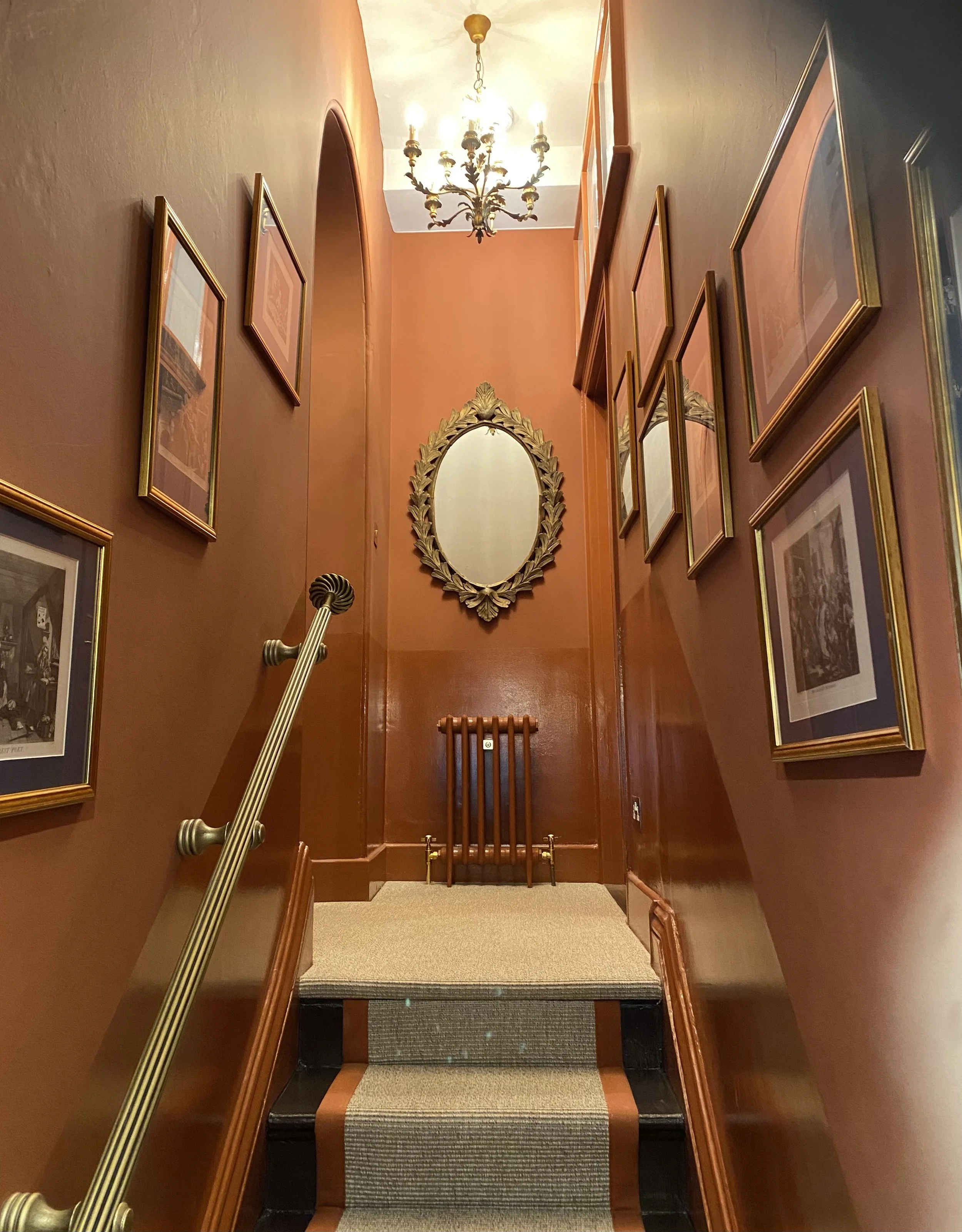
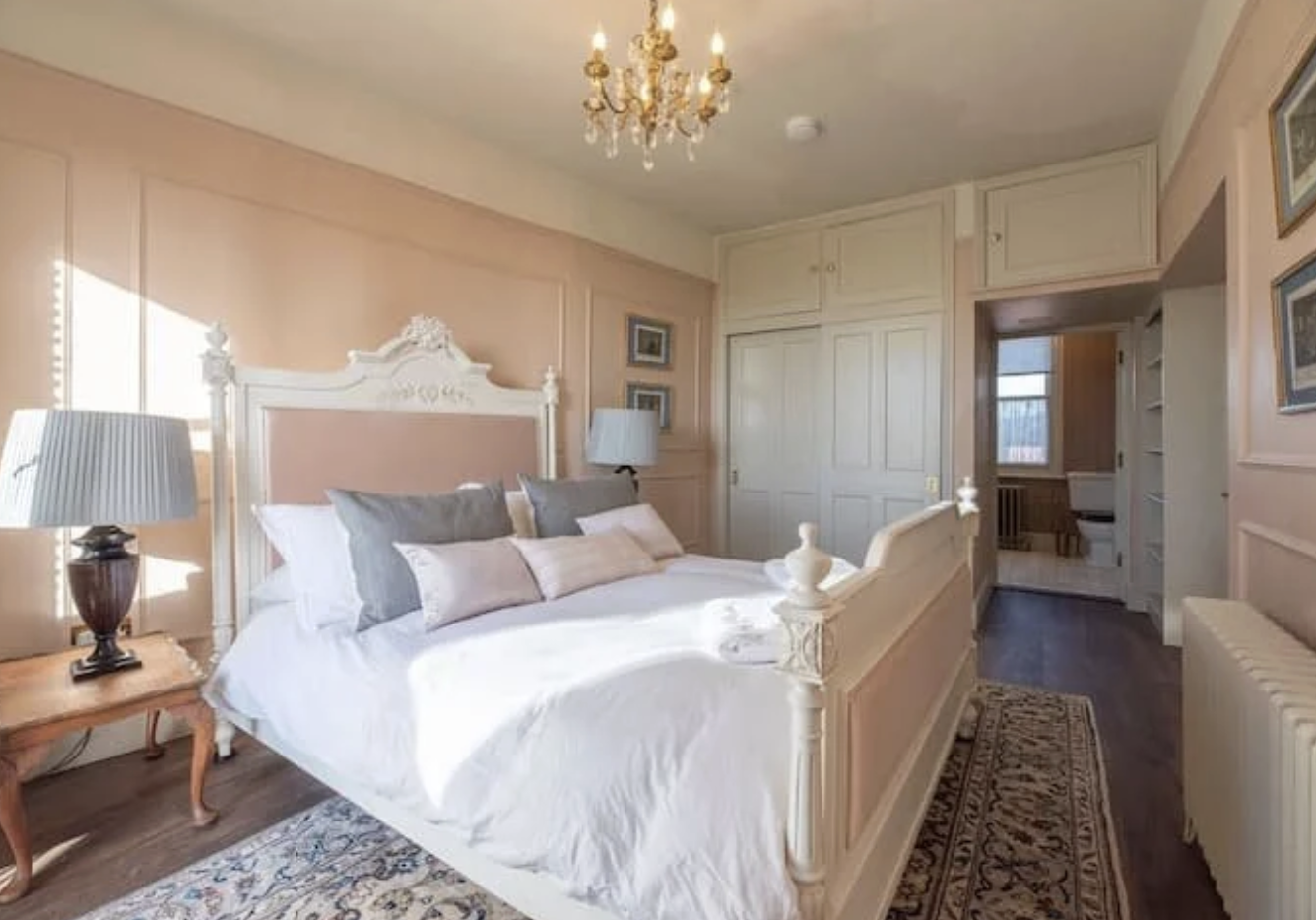
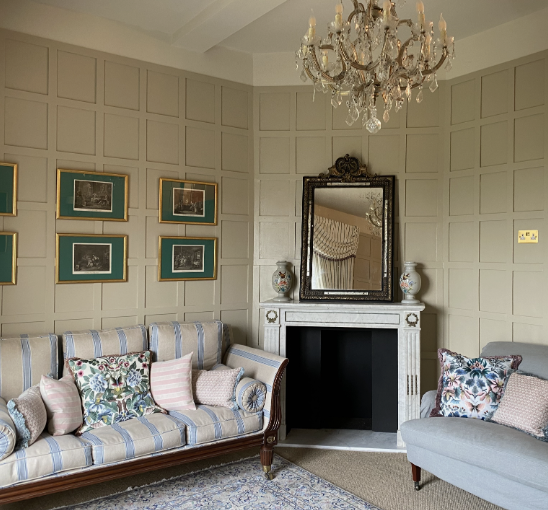
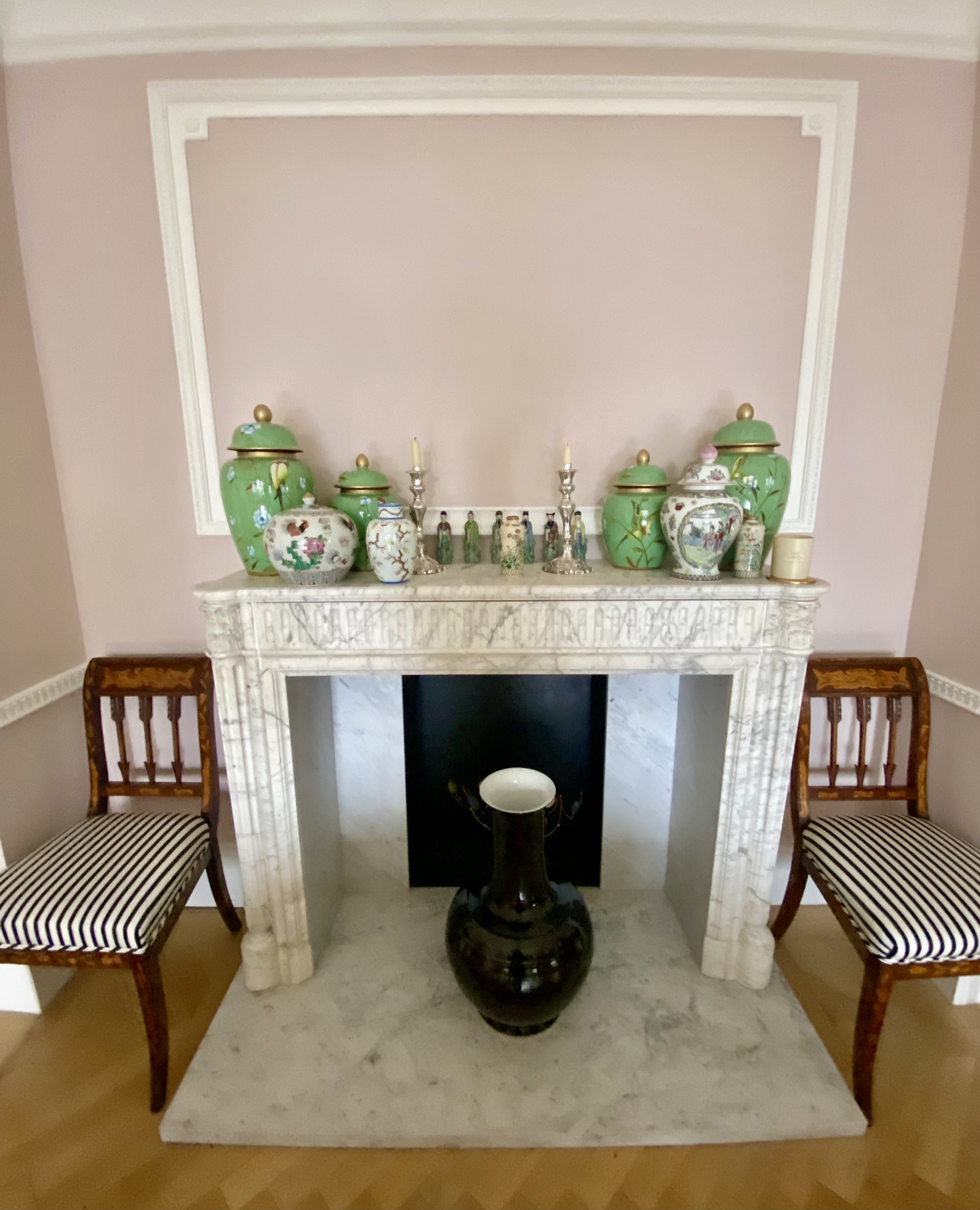
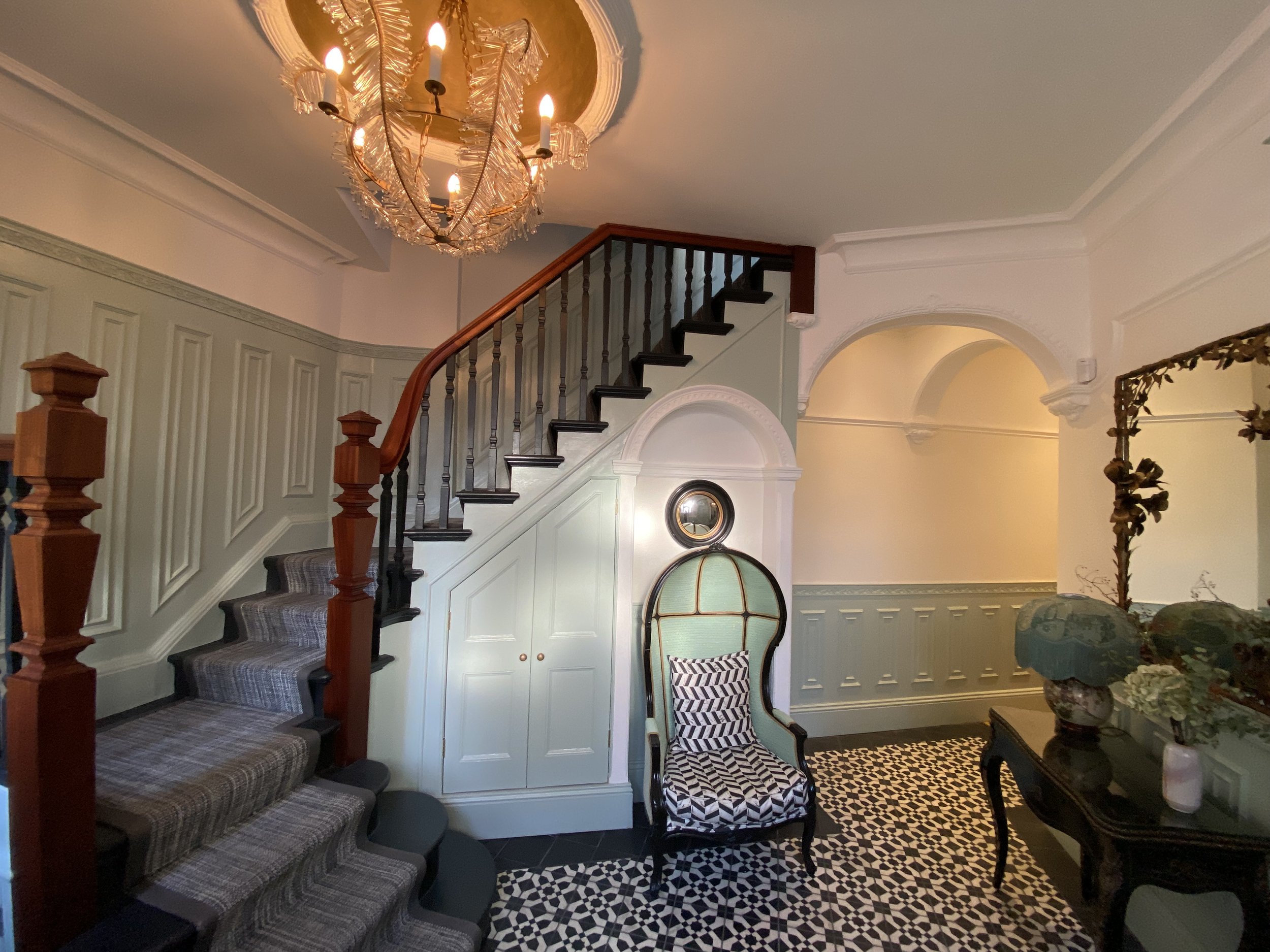
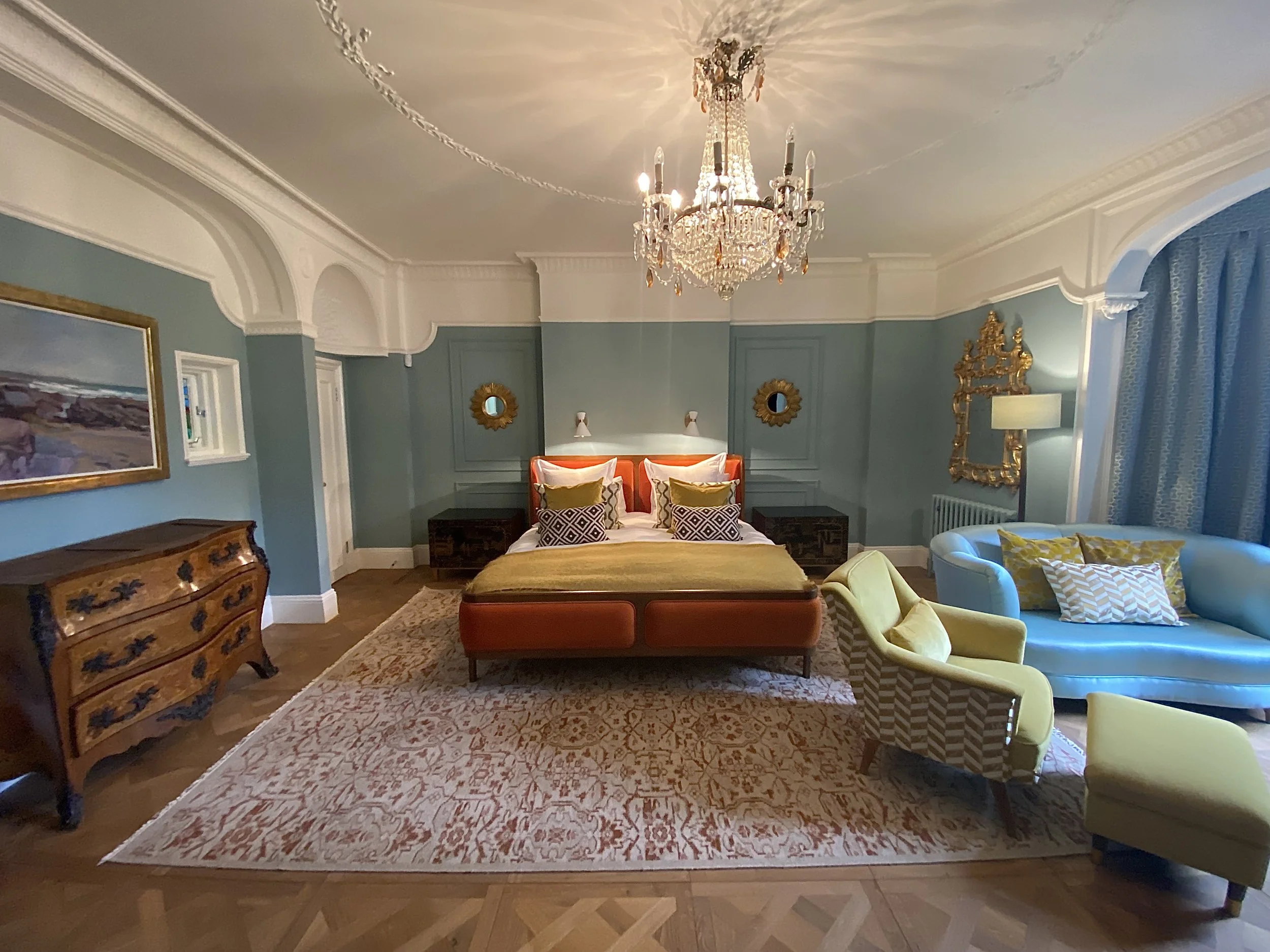
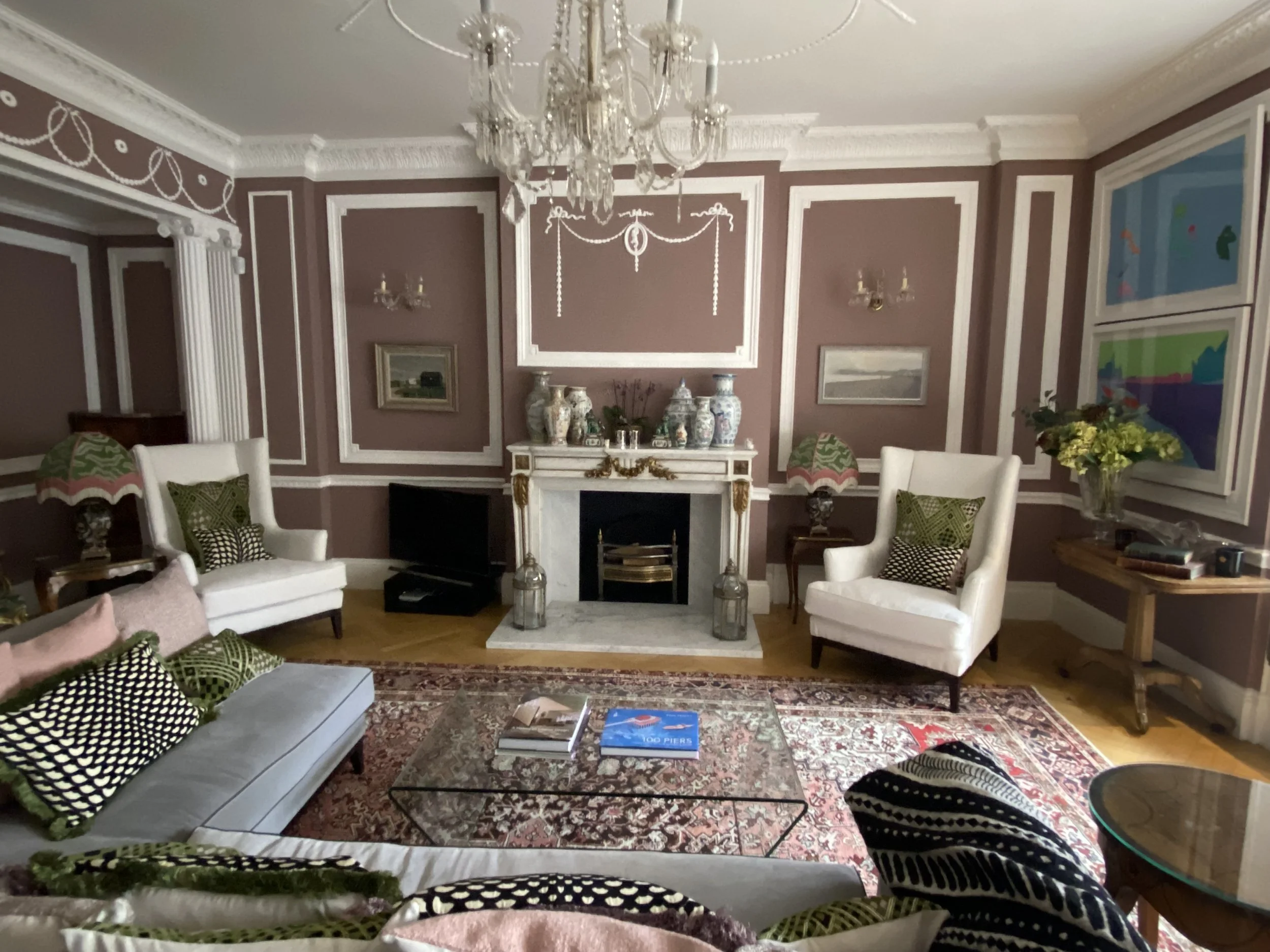
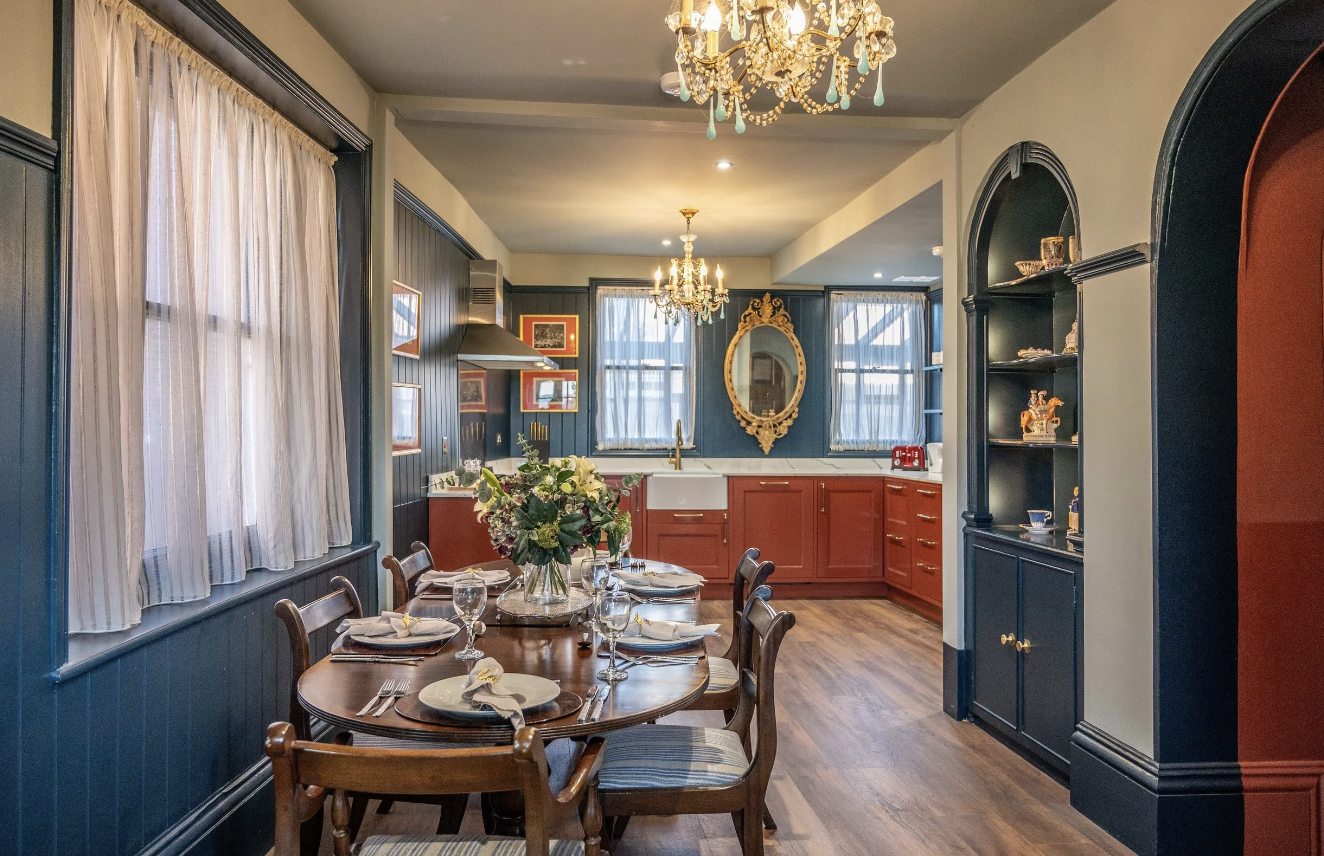
Images from recent restoration projects I have worked on, where I have restored panelling and mouldings and sourced reclaimed fireplaces.

Mixing Antiques and Modern Furniture in Period Homes
Mixing antiques with modern design isn’t about following strict rules. It’s about creating a home that feels layered, lived-in, and uniquely yours. The secret lies in balance — knowing how to let history and modernity share the same space without competing for attention.
Mixing Antiques and Modern Furniture in Period Homes
Why I love combining old and new, and how antiques, contemporary furniture, interesting fabrics and carefully chosen details can give a period home its own character.
One of the things I enjoy most about designing interiors for period homes is bringing together pieces from different eras. I have always been drawn to antiques, but I also love contemporary furniture, lighting and fabrics. For me, the most interesting interiors are rarely those where everything comes from the same period or follows one particular style.
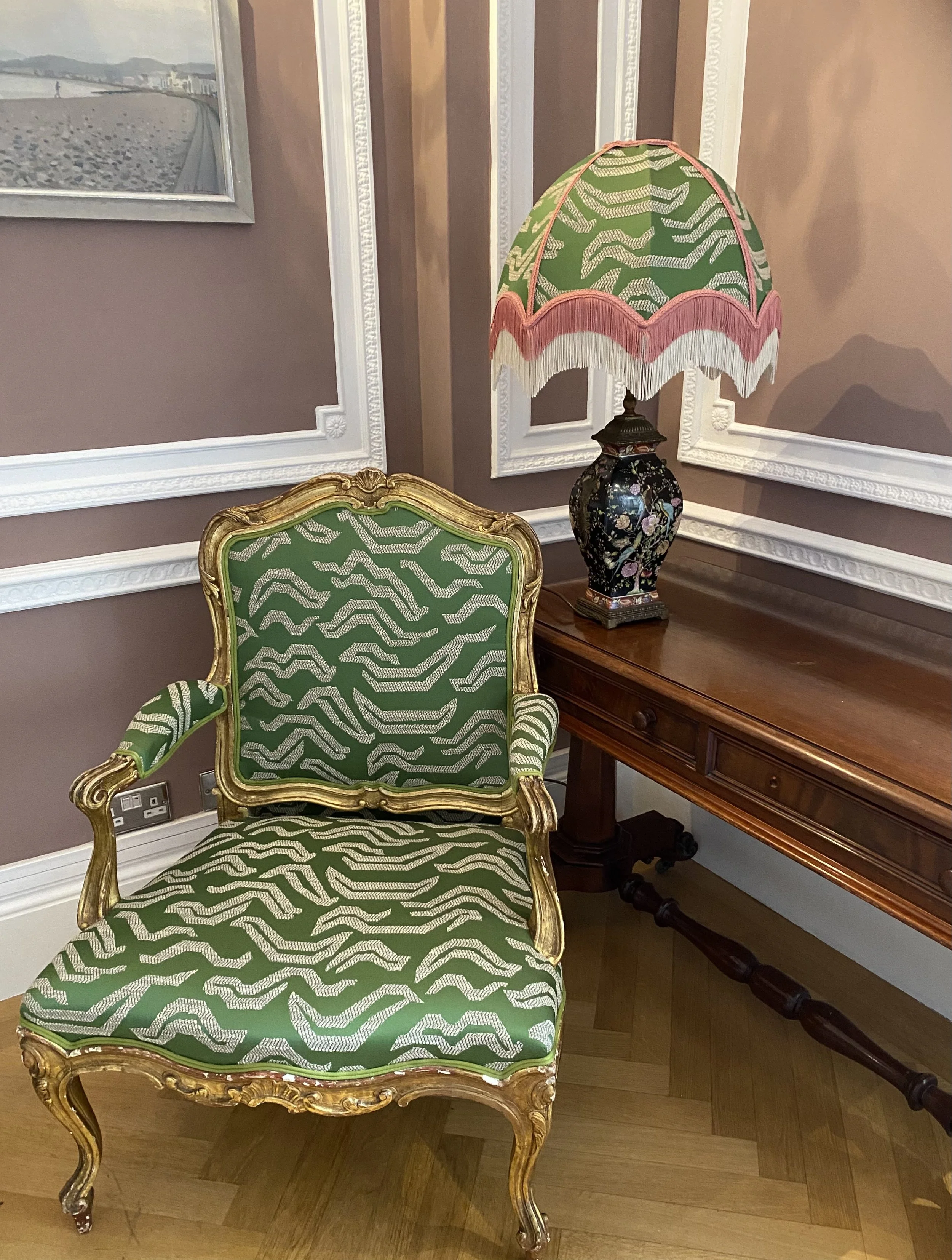
An antique table can look wonderful alongside a contemporary sofa; an old mirror can bring depth and character to a more modern room; and a beautifully restored chair, upholstered in an unexpected fabric, can become a real focal point.
I don't think a period home needs to be furnished entirely with traditional pieces to respect its architecture. Equally, filling an older property with nothing but new furniture can sometimes leave it feeling rather flat. It's the contrast between old and new, and the way the pieces sit together, that makes a home feel individual.
Why I love mixing old and new
Antiques bring a sense of history that is difficult to replicate. They often have interesting shapes, beautiful craftsmanship and finishes that have developed over many years. Even a relatively small piece, such as an occasional table, mirror or antique lamp, can add warmth and character to a room.
Contemporary pieces offer something different. They can introduce cleaner lines, fresh materials and a more relaxed way of living. I particularly enjoy using modern furniture to prevent a period interior from feeling too formal or traditional.
The trick is not to make everything match. Instead, I look at the proportions, shapes, materials and colours of the pieces and consider how they work together. Sometimes the contrast is what makes the combination interesting.
Giving antique furniture a new lease of life
I love finding an older piece of furniture that has the potential to become something special again. Not every antique needs to be left exactly as it was found. Sometimes a little restoration or a new covering can make all the difference.
Reupholstering an old chair, for example, is a lovely way to preserve its shape and craftsmanship while giving it a completely different feel. The choice of fabric can transform it, whether that's a richly textured velvet, an embroidered design or something with a bolder pattern.
I particularly enjoy the process of looking at fabrics in person. Visiting the fabric houses and exploring the trimmings at Design Centre, Chelsea Harbour and the surrounding showrooms is a real source of inspiration. A particular weave, colour combination, fringe or braid can influence the direction of an entire scheme.
I like the idea of giving a piece another chapter in its life rather than automatically replacing it with something new.
Where I look for antiques and vintage pieces
Finding the right piece is part of the enjoyment of designing a home. I like looking beyond the obvious furniture showrooms and exploring antique dealers, vintage specialists and architectural salvage.
I've used Vinterior to source mirrors and furniture. It's a useful place to discover pieces from different periods and styles, and I enjoy seeing the variety of furniture and decorative objects available.
I also love visiting antique markets and looking for things that have a little individuality. Sometimes it's a mirror with an interesting frame, a small table or a chair with a lovely shape. These pieces don't necessarily need to be expensive or particularly grand to make a difference to a room.
I'm not always looking for something perfect. Often, it's the slightly unusual pieces, with their own character and history, that bring the most to an interior.
Architectural salvage and pieces with a story
Architectural salvage is another wonderful way to introduce history and character into a home, particularly when working with period properties that have lost some of their original features.
I've sourced fireplaces through LASSCO, including fireplaces from French châteaux. I love the thought of bringing a piece of architectural history into a home and giving it a new setting.
A reclaimed fireplace can provide a beautiful focal point, particularly when its proportions and detailing complement the architecture of the room. It also brings a sense of age and permanence that can be difficult to achieve with something newly made.
I think these pieces work especially well when they aren't surrounded by too many other traditional elements. A salvaged fireplace alongside contemporary furniture, modern artwork or an unexpected colour scheme can feel much more interesting than a room where everything belongs to the same era.
Getting the balance right
There isn't a strict formula for mixing antiques and modern furniture, but I do think a few things are worth considering.
Proportion is important. An antique piece may have quite a different scale or silhouette from contemporary furniture. I look at how the pieces relate to one another and to the room, rather than choosing everything individually.
Colour helps bring things together. I often use fabrics, paint and accessories to create a connection between pieces from different periods. They don't have to be identical in colour, but there should be a sense of harmony across the scheme.
Texture adds depth. A polished wooden antique, a linen sofa, a velvet chair and a contemporary metal light can all work beautifully together. Different finishes stop a room feeling too uniform.
Allow interesting pieces some space. If an antique has beautiful carving or an unusual shape, it deserves to be noticed. I prefer to give special pieces room to breathe rather than fill every corner.
Ultimately, I think it comes down to trusting your eye and choosing things that have a reason to be in the room.
Making a period home feel personal
One of the things I want to avoid when designing a home is making it feel as though it has been furnished entirely from one showroom. I want the rooms to feel as though they have evolved, with a mixture of pieces that have been found, collected, restored and chosen over time.
This is particularly important in period homes. The architecture already gives you a wonderful starting point, but the furniture and decorative details are what make the interior feel personal to the people who live there.
An antique mirror, a restored chair in a beautiful fabric, a contemporary light or a reclaimed fireplace can each contribute something different. Together, they create layers of interest and a sense of individuality.
For me, good interior design isn't about following a particular period or trend. It's about understanding what works for the house, what the client loves and how to bring those things together in a way that feels natural.
Bringing old and new together in your home
Mixing antiques with contemporary furniture is one of my favourite ways to create interiors with warmth, depth and character. It allows the history of a period property to sit comfortably alongside modern living, without the home feeling overly traditional or too contemporary.
Whether it's restoring and reupholstering an existing piece, sourcing an unusual antique mirror, finding a reclaimed fireplace or choosing a contemporary piece of furniture to sit alongside an old favourite, the most successful combinations are often the ones that feel unexpected but completely right.
I work with homeowners across London and the surrounding areas, helping them create individual interiors that respect the character of their homes while reflecting the way they want to live.
If you're renovating a period property or looking to bring a more considered mix of old and new into your home, I'd love to hear about your project.
Get in touch to discuss working together.Mixing antiques with modern design isn’t about following strict rules. It’s about creating a home that feels layered, lived-in, and uniquely yours. The secret lies in balance — knowing how to let history and modernity share the same space without competing for attention.


PASSEMENTERIE A GUIDE
Passementerie is the art of creating elaborate trimmings, such as tassels, fringes, braids, cords, galloons (woven bands), and gimps, typically used to decorate textiles, furniture, and clothing. The word comes from the French ‘Passement’, meaning “ornamental edging or trimming.” In interior design, passementerie elevates upholstery, curtains, cushions, and wall coverings, adding refinement and visual richness.
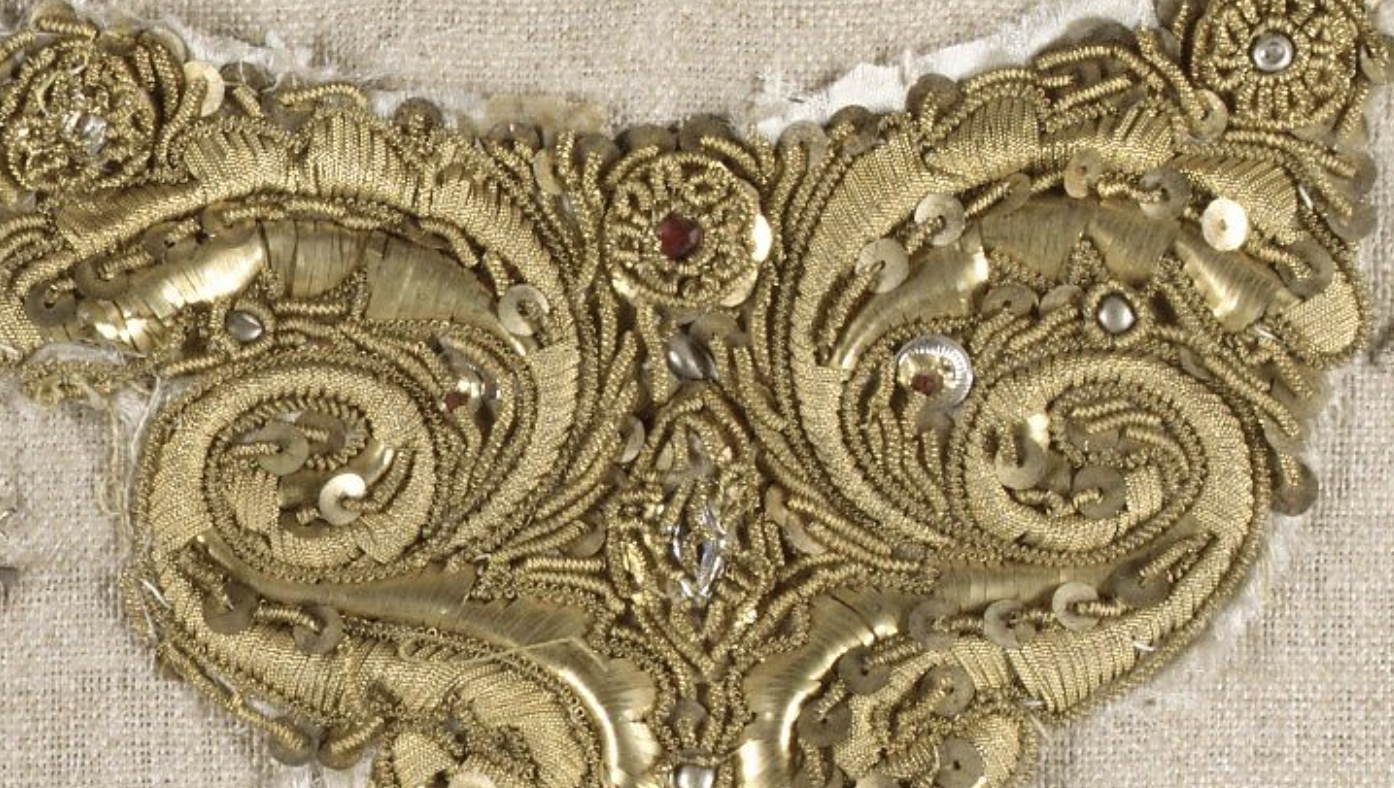
17th Century Passementerie
Passementerie — decorative trims like tassels, braids, fringes and cords — brings texture and elegance to period interiors.
In historic houses, these details can highlight craftsmanship while balancing modern design elementsPassementerie is the art of creating elaborate trimmings, such as tassels, fringes, braids, cords, galloons (woven bands), and gimps, typically used to decorate textiles, furniture, and clothing. The word comes from the French ‘Passement’, meaning “ornamental edging or trimming.” In interior design, passementerie elevates upholstery, curtains, cushions, and wall coverings, adding refinement and visual richness.
History of Passementerie
Ancient Civilisations (3,000 BCE – 500 CE)
Egypt: Linen cords, fringes, and beadwork adorned garments, ceremonial cloths, and furniture. Fringes were both decorative and symbolic — cut edges of fabric were often knotted into fringes to prevent unraveling. Some of the earliest tassels where found in Egyptian tombs.
Greece & Rome: Decorative borders and cords embellished togas, military cloaks, and home textiles. Roman couches and curtains sometimes featured woven trims, often in contrasting colours.
Early Medieval Period (500–1000 CE)
Decorative cords reinforced the sacred and ceremonial roles of fabrics in churches and royal courts.
High & Late Middle Ages (1000–1500 CE)

Antique tassels
Guilds Established: By the 13th century, European artisans specialising in trimmings formed organised guilds. France and Italy became key centres.
Materials: Silk, gold, and silver threads were common in church vestments and By royalty.
Secular Use Expands: Nobility used passementerie on canopies, bed hangings, and ceremonial garments.
Cottage Industry:Trims were often made by single women, married women needed their husbands permission. They would also make lace and ribbons.
Passementerie became a marker of hierarchy: the more elaborate the trim, the higher the status.
Renaissance (16th Century)
Decorative trimmings flourished alongside innovations in textile weaving.
Passementiers in France and Venice refined tassel-making to an art form.
Huguenots helped to bring the craft to the Uk.
Interiors of palaces began featuring heavy use of tassels, fringes, and cords on curtains, bed drapes, and upholstered furniture.
Passementerie was used not only for embellishment but also to hide construction seams on furniture and fabric panels.
Baroque & Louis XIV’s France (17th Century)
Golden Age of Passementerie: Under Louis XIV, Versailles became the epicentre of opulent decoration. The King supported guilds of passementiers, who gained great prestige.
Tassels (glands) became highly elaborate, often featuring multiple layers of silk, metallic threads, and tiny ornaments called bouillons.
Heavy draperies in state rooms were trimmed with fringes and braids; furniture edges finished with gilded galloons and cords.
Passementerie was so prized it was inventoried separately from furniture in estate records, often more valuable than the textile itself.

Antique passemnterie
18th Century (Rococo & Neoclassicism)
The Rococo style emphasised playful, delicate ornamentation. Passementerie reflected this shift with lighter, more intricate trimmings in pastels and florals.
Neoclassical interiors used simpler galloons and narrow braids with geometric motifs, in keeping with Greco-Roman inspiration.
Passementerie also became fashionable in women’s dress — trims on gowns and accessories mirrored those in interiors.
19th Century (Empire, Victorian, & Revival Styles)
Empire Style (early 1800s): Passementerie became bold and classical, using strong cords, laurel motifs, and tassels in Napoleonic interiors.
Victorian Period (mid–late 1800s): This was a second great age of passementerie. Heavy fringes, bullion tassels, and layered braids adorned:
Curtains with pelmets and swags
Deep-buttoned upholstery with skirts trimmed in fringe
Lampshades with dramatic beaded fringes
Industrialisation allowed mass production, making passementerie accessible beyond the aristocracy. Even middle-class homes had fringed antimacassars, cushion trims, and tasseled draperies.
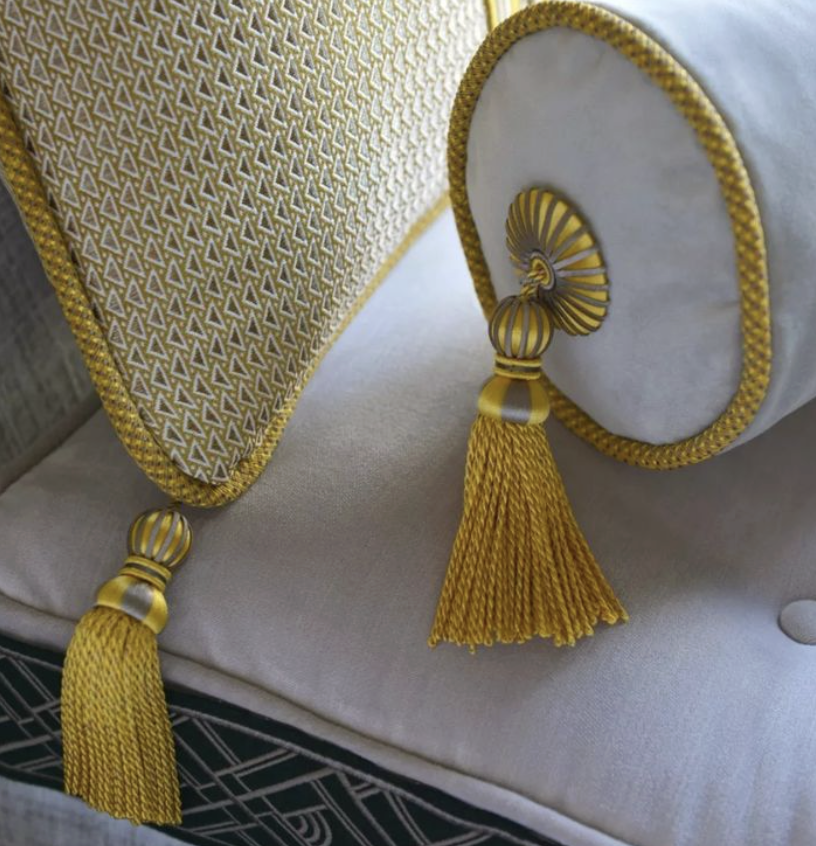
Modern upholstry trim and tassels
20th Century
Early 1900s (Edwardian & Art Nouveau): Passementerie was lighter and more stylized, often featuring floral and organic motifs.
1920s–30s (Art Deco): Geometric galloons and bold cords reflected modernist aesthetics. Fringe took on a new role in fashion (think flapper dresses), though interiors used it more sparingly.
Mid-20th Century (Modernism): With the rise of minimalist design, passementerie fell out of favour. Designers like Le Corbusier and Mies van der Rohe rejected decorative trims in favour of clean lines.
Late 20th Century: Historicist revivals (French Provincial, English Country House, Hollywood Regency) brought passementerie back in decorative interiors.
21st Century
Selective Use: Today, passementerie is often used sparingly — not as lavish covering, but as accents to highlight craftsmanship. But there is a maxamalist movement in interior design which is bringing back the use of passementerie, to decorate curtains, cushions and on sofas.
Modern Adaptations:
Natural fibres (linen, cotton) instead of silk
Minimalist cords and monochrome braids for contemporary interiors
Tassels and fringes reimagined in playful, oversized, or colourful ways in eclectic and bohemian design
Luxury Interiors: In high-end residential and hospitality projects, passementerie is still a hallmark of custom drapery and upholstery, referencing centuries of tradition.

Antique Tassel
Styles of Passementerie & Their Use
1. Tassels (Glands)
Description: A bundle of threads, silk cords, or metallic strands tied together at one end with a decorative “head” or cap.
Examples:
French Baroque Tassels: Large silk tassels with multiple layers, often paired with metallic bouillons (curled threads).
Victorian Key Tassels: Smaller tassels hung from cabinet or wardrobe keys.
Contemporary Tassels: Oversized cotton or wool tassels used on bohemian cushions or curtain tiebacks.
Drapery Tiebacks: Luxurious tassel tiebacks can transform plain curtains into focal points.
Furniture Keys: Tassels add a romantic or historical feel when tied to armoire or bureau keys.
Cushions & Throws: Small corner tassels add whimsy and movement.
Lighting: Used as finials on lamps or chandelier embellishments in traditional interiors.

Fringed cushions
2. Fringe
Description: A decorative edging of hanging threads, cords, or beads.
Examples:
Bullion Fringe: Long, twisted cords of silk or metallic thread, used heavily in 19th-century parlours.
Brush Fringe: Soft, dense threads cut evenly like a brush, often found on cushions or lampshades.
Beaded Fringe: Glass beads or crystals strung together, popular in Art Deco and Victorian lampshades.
Loop Fringe: Rounded thread loops used on lightweight fabrics or casual trims.
Curtains & Valances: Adds weight and movement to draperies.
Furniture: Applied along sofa bases, ottoman skirts, or armchair edges.
Cushions & Bedding: Adds texture and a tactile finish.
Lighting: Beaded or brush fringe softens lamp edges, creating a vintage glow.
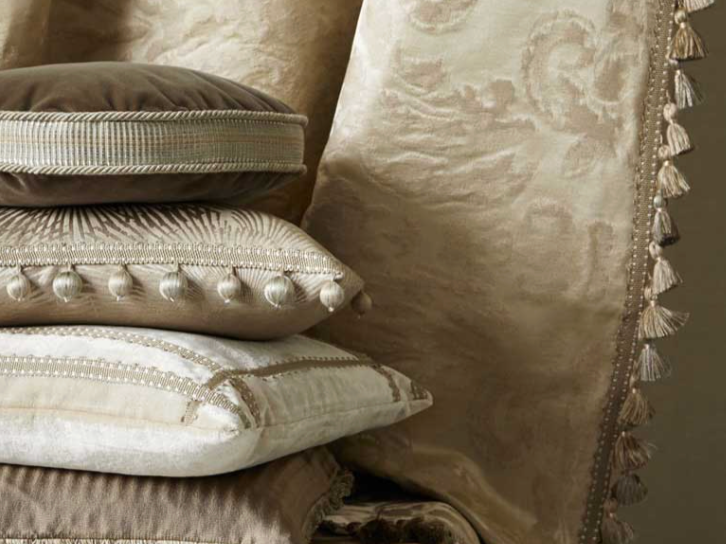
Modern cushions decorated with braid.
3. Braids & Gimps
Description: Narrow woven trims, often geometric, used for edging and concealing raw fabric edges.
Examples:
Gimp Braid: A flat, narrow, slightly raised braid with a scrolling or wavy pattern.
Herringbone or Chevron Braids: Woven bands with zigzag or geometric motifs.
Metallic Galloon Braid: Gold or silver woven band, often used in ceremonial or ecclesiastical textiles.
Upholstery: Covers seams, tacks, or staples along the edges of chairs, sofas, and headboards.
Curtains: Applied to the leading edges of drapery panels as a decorative border.
Accent Decoration: Outlines cushions, lampshades, or wall panels for contrast.
Tailored Finishes: Offers a neat, subtle trim in contemporary interiors where tassels and fringes may feel too ornate

Decorative Ropes
4. Cords & Ropes
Description: Twisted strands of fibres, silk, or metallic threads, often plied in contrasting colors.
Examples:
Silk Ropes: Common in Baroque interiors, often finished with tassel ends.
Two-Tone Twisted Cords: Popular in French Provincial upholstery.
Natural Linen Rope: Contemporary eco-friendly variant, often used in rustic interiors.
Drapery Tiebacks: Rope tiebacks provide a simple or dramatic alternative to hardware.
Piping (Corded Edges): Outlines cushions, bolsters, and bedding.
Furniture Outlines: Adds a dimensional border to armchairs, sofas, and ottomans.
Architectural Detailing: Thick cords or ropes applied as borders around mirrors, doorframes, or paneling.

Antique Metallic Gallion
5. Galloons & RibbonsDescription: Flat, woven bands of silk, cotton, or metallic thread; can be patterned or plain.
Examples:
Gold Galloon: Wide, metallic band used on military uniforms and Baroque furniture.
Velvet Ribbon with Metallic Edge: Popular in Rococo and Victorian interiors.
Modern Graphic Banding: Clean woven bands in solid or geometric colors for a contemporary edge.
Borders on Curtains: Runs vertically along the leading edge or bottom hem.
Wall Coverings: Frames fabric wall panels or wallpaper for a formal effect.
Furniture Trim: Adds a band of contrast along upholstered chairs or benches.
Graphic Accent: Modern designers use galloon-like bands to add bold lines on neutral textiles.

Modern Key Tassel
6. Key Tassels (Smaller Category)
Description: Miniature tassels, functional yet decorative.
Examples:
18th-Century French Key Tassels: Found on armoires and desks in aristocratic homes.
Victorian Desk Tassels: Decorative pulls for drawers and cabinets.
Contemporary Versions: Leather or linen tassels on minimalist furniture.
Cabinetry & Hardware: Adds charm to wardrobes, bureaus, and desks.
Decorative Accessories: Used as ornaments on baskets, door handles, or even books.
Layered Detail: Creates a sense of history and craftsmanship in otherwise simple furniture.

Contemporary upholstery trim used on sofa cushion and curtain
How Each Style is Used Today
Traditional/Classical Interiors: Tassels, bullion fringe, and galloon braids maintain authenticity in period-style homes.
Eclectic & Bohemian Styles: Bold brush fringes, colourful tassels, and beaded trims inject playfulness and texture.
Minimalist/Modern Interiors: Cords, narrow braids, and tonal banding provide clean finishes without overwhelming decoration.
Luxury Hospitality: Passementerie continues to appear in hotels, luxury homes, theatres, and palaces where grandeur and ceremony are emphasised.
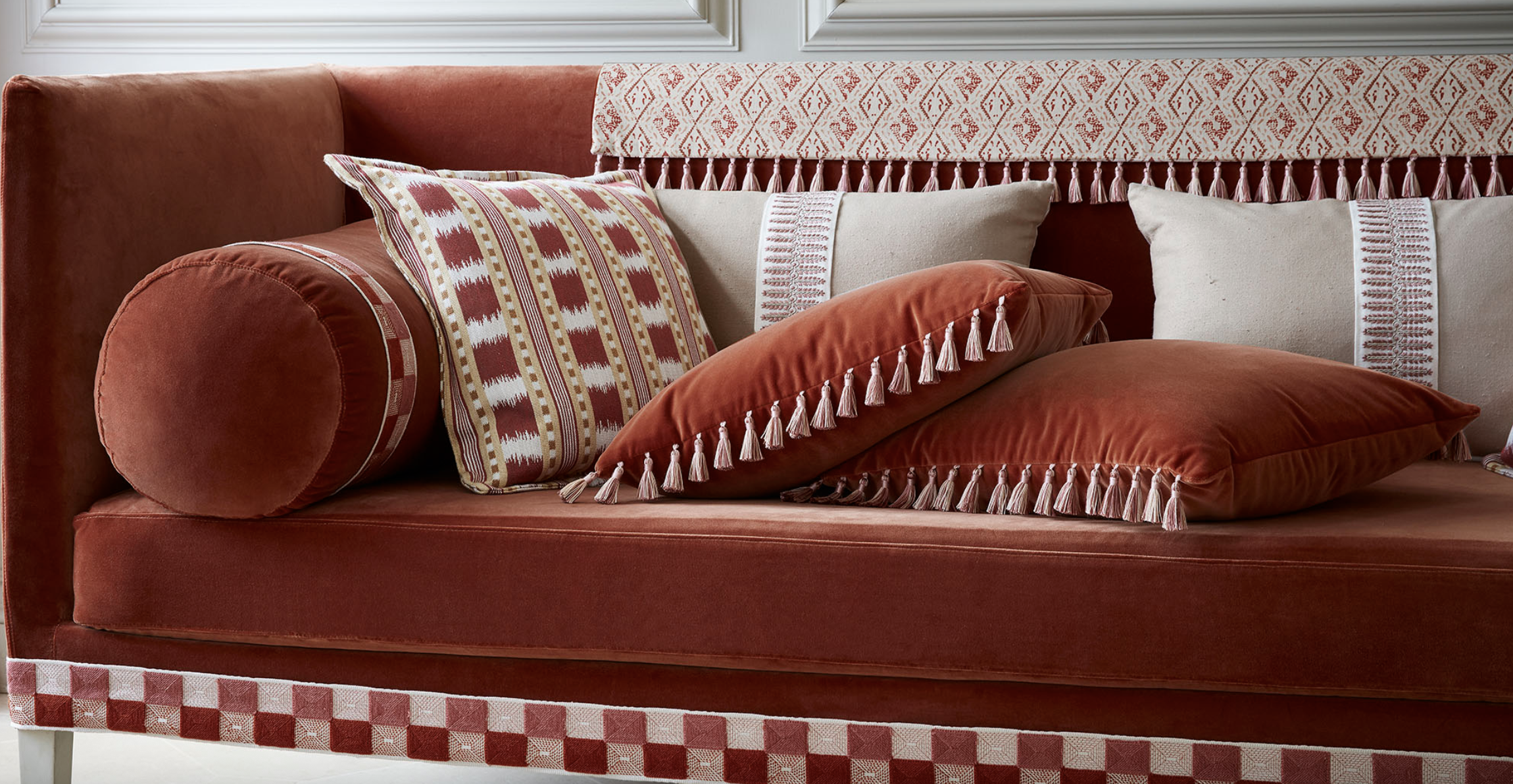
Contemporary upholstery used on sofa and cushions
Trims and braids can enhance, upholstery curtains and cushions, an Interior designer has the expertise to help guide you through where to use them to beautifully refine your project.

A GUIDE TO RENOVATING GEORGIAN PROPERTY
Georgian interior, Georgian interior design, Georgian style guide,Georgian house decoration" or "modern Georgian living room ideas
The Edwardian period started during the reign of King Edward VII (1901–1910) and continued into the early 1920s. The style of Edwardian homes marked a departure from the ornate and heavy Victorian era, embracing a lighter, more spacious, and refined aesthetic. Influenced by the Arts and Crafts movement, Edwardian architecture focused on craftsmanship, simplicity, and the use of high-quality materials.
Renovating Georgian homes requires a careful balance between preserving historic architectural features and introducing modern comforts that support contemporary living.
Renovating a Georgian property is both a challenge and a pleasure, There are many features which make up a typical Georgian home, this guide will talk you through what you need to consider when renovating one.
The Georgian era ranged from 1714 - 1837, Typical Georgian features include large tall windows, high ceilings, simple and elegant design, symmetry and classical proportions. Installing mod cons sympathetically is part of the renovation process, to make your home comfortable.
Many Georgian houses are listed, If you live in a listed property check with your local planning office that all changes will be approved.
Throughout the house: Replace radiators with cast iron period column radiators for a sympathetic historical look, although not Georgian they will work well with Georgian style.
The Grand Hallway: Making an Entrance
The hallway of a Georgian home gives you the first impression, setting the tone for what’s to come. When you walk through the door, you want to feel the hallway is inviting grand and elegant.
Restoring Cornices and Mouldings: Georgian hallways often feature beautiful plaster mouldings and cornices. These might have been hidden under layers of paint or damaged over the years. If any details are missing, a skilled plaster specialist can recreate them to match the original design. It is also possible to buy plaster reproduction to replace what might no longer be there.
Flooring: If your Georgian hallway has its original black-and-white chequered flooring or flagstones, restoring these adds a real sense of history. If they’re beyond saving, you can find materials like reclaimed stone or wood or tiles to keep the period look authentic.
Lighting: The hallway needs to feel welcoming. You could install a grand chandelier or subtle wall lights, but keep the fixtures classic . Brass or wrought-iron finishes work well, complementing the historical feel.
Colour Palette: Georgian hallways were often painted in soft, neutral tones like pale creams, warm greys, and muted greens. These colours help to reflect light and make the hallway feel spacious and elegant.
Furniture : If the hallway is big enough install a statement antique chair, console table and accessorise with a mirror and artworks.
The Living Room: Restoring Elegance
Living rooms in Georgian homes were designed to impress, and the key to restoring this space is all about balance – keeping the period features, but making it cosy and liveable.
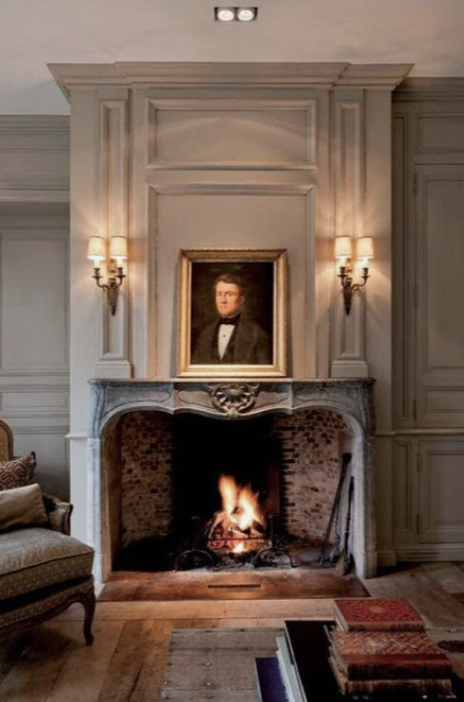
Fireplaces: A grand Georgian fireplace is the heart of the living room. Restoring an original marble or cast-iron fireplace can make a huge difference. If the original fireplace is gone, source a reclaimed or reproduction fireplace surround.
Cornices and Ceiling Roses: The ceiling details in Georgian homes are works of art in themselves. If your living room has intricate cornices or a beautiful ceiling rose, they should be restored carefully. If they’ve been lost over time, you can buy them from a specialist plaster shop.
Sash Windows: The tall, elegant sash windows are one of the standout features of Georgian properties. Restoring the original sash windows – complete with their pulleys and weights – is important to maintain the character of the room. They can be draught-proofed without losing any of their charm. If the window is deep enough an additional pain of glass can be installed to make the window double glazed.
Flooring: Polished wooden floors were a typical feature of Georgian dining rooms. If you have original floorboards, restore them to their former glory. If not, opt for period-style flooring that complements the room’s formal feel. Choose a large oriental wool rug to make the room feel cosy
Colours: Choose soft, muted tones like pale greys, soft greens, muted pinks or dusty blues for the living room. These colours were popular in Georgian times and will help the room feel calm and elegant, while also letting the period details shine.
Lighting: Install a beautiful chandelier, and wall sconces, they are like jewellery on a beautiful woman, and will complement the beauty of the room. A glass or crystal antique chandelier or a modern Murano chandelier all work in this space.
Furnishing a Georgian Lining room; Using reupholstered Regency or Georgian antique sofas and armchairs would be very appropriate. Also carefully chosen modern pieces, accessorised with antique mirrors and artworks modern or traditional .
The Dining Room:
In a Georgian home, the dining room was often a formal space for entertaining. Restoring this room gives you the chance to embrace the grand, slightly dramatic atmosphere that was common at the time.
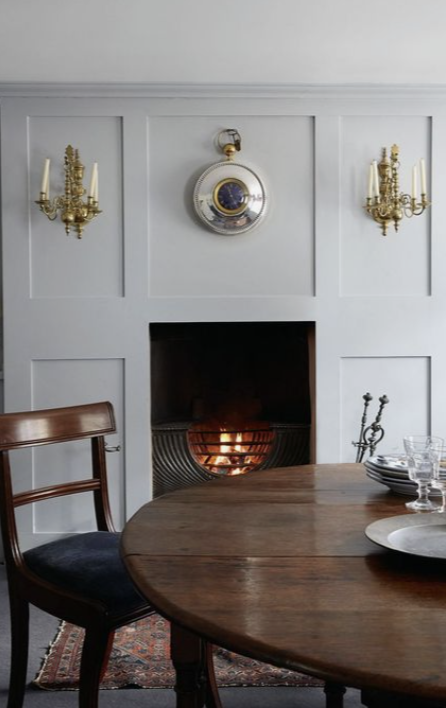
Fireplace: As in the living room, the fireplace is key. Restoring or replacing it with a period-appropriate stone or marble surround adds instant impact.
Wall Panelling and Mouldings: Many Georgian dining rooms featured wall panelling or dado rails, along with decorative plaster mouldings. If these features are missing, it’s worth considering adding them back. They bring depth and character to the room.
Flooring: Polished wooden floors were a typical feature of Georgian dining rooms. If you have original floorboards, restore them to their former glory. If not, opt for period-style flooring that complements the room’s formal feel.
Rich Colours: Georgian dining rooms often used dramatic, darker tones like deep reds, dark greens, and rich blues. These colours give the room a warm, intimate feel.
Furnishing: A beautiful antique table and chairs would look beautiful in this room, and could be reupholstered to match the scheme. Alternatively a modern table and chairs chosen for the space would also work well. Again beautiful lighting, a chandelier and wall sconces are essential in this room.
The Heritage-Style Kitchen: A Mix of Old and New
Georgian kitchens were vastly different from the ones we’re used to today. So, when renovating, it’s important to blend the old with the new, creating a kitchen that’s practical but still fits in with the rest of the house.
Cabinetry: Look for shaker-style cabinets – they’re timeless and work beautifully in a heritage-style kitchen. Painted in soft colours like sage green, cream, or light grey, they look classic but offer all the modern storage solutions you need. Handles should be chosen in heritage materials, pewter, brass or copper, and chosen well will enhance the cabinetry.
Fireplace or Hearth: Many Georgian kitchens had large hearths. If yours still has one, it’s worth restoring, even if it’s just as a feature. You could use it to frame a modern range cooker or keep it as a decorative nod to the past.
Worktops and Splash backs: Use natural materials like wood, marble, or stone for the worktops. These materials feel warm and authentic, fitting seamlessly into the period style. For splash backs, simple tiles or natural stone add a subtle but effective touch.
Flooring: A kitchen with stone or wood floors will feel instantly grounded in history. Limestone or flagstone flooring is practical and long-lasting, while wide, reclaimed oak boards give the room a rustic yet refined look.
Colours: Soft heritage tones like off-whites, greys, greens or subtle blues will help the kitchen feel light and airy, while still staying true to the Georgian period.
Lighting: The Lights could be pendants or a traditional style light fitting matched to the metal handles used on cabinetry.
Furnishing: A reclaimed farmhouse table and chairs, or bench seating would work best in this space. Also consider a modern table and chairs as a juxtaposition to the traditional. Roman blinds would complement as a window treatment.
The Bedrooms: Simple and Serene
Bedrooms in Georgian homes tend to be more understated, with simpler features compared to the grander living spaces. Restoring them is about creating a calm, comfortable space that still reflects the history of the home.
Fireplaces: Many Georgian bedrooms have small, cast-iron fireplaces. Restoring these can add an elegant focal point to the room, even when they’re no longer in use.
Mouldings and Plasterwork: While the decorative plasterwork in bedrooms is often less elaborate than in other rooms, it’s still important to restore or recreate the original mouldings to keep the period feel intact.
Sash Windows: Like the rest of the house, the sash windows in the bedrooms should be carefully restored. Ensuring they work properly and are draught-proofed will help make the room comfortable without losing any of its character.
Colour Scheme: For bedrooms, choose soft, restful tones like pale blues, soft pinks light greys, or creams. These colours create a peaceful atmosphere, in keeping with the simplicity and elegance of Georgian design.
Furnishings: Either use antique beds or a divan with a statement headboard, antique or modern bedside tables, chosen for their simple craftsmanship, with turned details. If there’s room add softly upholstered armchair. Accessorise with oriental woollen rugs mirrors and picture frames, some wall lights and smaller chandeliers should be considered.
The Bathroom: Modern Comfort with a Period Twist
Bathrooms as we know them didn’t exist in Georgian homes, so this space requires a thoughtful approach. You want modern convenience but with a nod to the past.
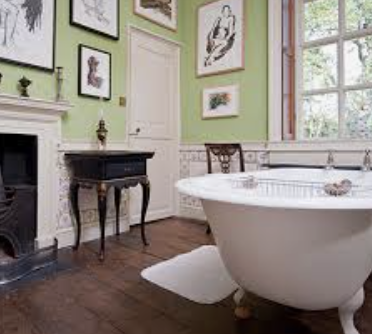
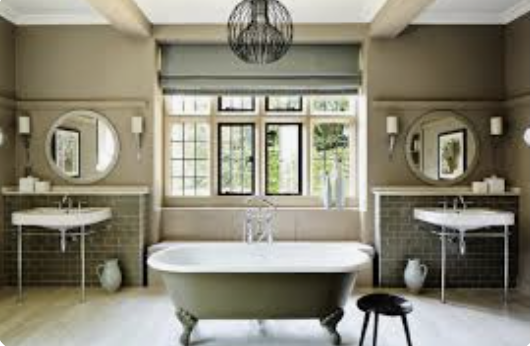
Sanitary ware: Opt for Victorian-style fittings, like a freestanding clawfoot bathtub and a traditional pedestal sink. An antique chest of draws can also be used as a base for a sink. These aren’t strictly Georgian, but they evoke a classic feel that fits well with the rest of the house. Shower fittings should be open pipework Victorian style.
Flooring: Go for natural stone, marble, or traditional floor tiles. Geometric black-and-white patterns or simple stone finishes will keep the bathroom in line with the home’s historical charm.
Colours: Keep the bathroom light and fresh with soft whites, light greys, green or subtle blues. Brass, copper or nickel fittings also add a classic touch.
Bringing It All Together
Renovating a Georgian property is all about balancing the old with the new. By restoring original features like mouldings, fireplaces, and sash windows, and carefully introducing modern comforts, you can create a home that feels both timeless and practical.Every room has its own character, and by using historically appropriate paint colours, natural materials, and sympathetic design choices, you can respect the heritage of the house while making it your own. It’s a delicate process, but when done well you will have a rewarding and beautiful result. An interior designer can help you bring your vision to life, guiding you through the process and helping you make the best of you unique space.








A GUIDE TO RENOVATING VICTORIAN PROPERTIES
Victorian homes, Victorian Interiors, restyling Victorian homes, Victorian Syle.
Renovating Victorian homes requires an understanding of proportion, original detailing and how to adapt historic spaces for modern living. Victorian houses were built during the reign of Queen Victoria (1837–1901) and encompass a wide variety of architectural styles, including Gothic Revival, Italianate, Folk Victorian, Jacobeathan and Queen Anne. These homes are known for their ornate detailing, rich materials, and intricate craftsmanship, reflecting the prosperity and ambition of the era. Victorian homes had more elaborate detailing than Georgian homes, characterised by gothic features, and the use of new materials coloured glass and metal, made possible by the industrial revolution.
History and Style of Victorian Houses
Renovating Victorian homes requires an understanding of proportion, original detailing and how to adapt historic spaces for modern living. Victorian houses were built during the reign of Queen Victoria (1837–1901) and encompass a wide variety of architectural styles, including Gothic Revival, Italianate, Folk Victorian, Jacobeathan and Queen Anne. These homes are known for their ornate detailing, rich materials, and intricate craftsmanship, reflecting the prosperity and ambition of the era. Victorian homes had more elaborate detailing than Georgian homes, characterised by gothic features, and the use of new materials coloured glass and metal, made possible by the industrial revolution.
Victorian houses are characterised by:
Elaborate facades featuring decorative brickwork, bay windows, and stone embellishments.
High ceilings and grand proportions.
Ornate plasterwork, including ceiling roses and cornices.
Stained glass windows with intricate designs.
Patterned floor tiles, particularly in hallways and entrances.
Heavy wooden doors with decorative ironmongery.
Fireplaces in almost every room, often featuring carved wood, marble, or cast iron.
Dado and Picture Rails, adding decorative and practical elements to walls.
Wallpaper Characterised by elaborate patterns, rich colors, and intricate designs, Victorian wallpaper reflected the era's fascination with ornamentation and the revival.
Renovation Tips
Many original features would have been removed during the 1960’s and 70’s where the Victorian aesthetic was unfashionable.
When renovating a Victorian home, it is essential to balance historical features with modern functionality. Here are key considerations:
Restoring Period Features
Windows & Doors: Preserve original sash windows and solid wooden doors where possible, or use high-quality replicas.If the windows have shutters replace of repair them.Add secondary glazing if you have the original windows.
Fireplaces: Open up even if only using them as a decorative feature. Restore or replace with Victorian-style cast-iron or tiled fireplaces.
Flooring: Keep or reinstate original wooden floors, encaustic tiles, or parquet.
Plasterwork & Cornices: Strip paint, and remove any mould. Repair or replicate decorative mouldings to maintain period authenticity. Replace or repair ceiling roses.
Dado Rails & Picture Rails: Preserve or reinstate these features to enhance period charm and break up wall space aesthetically.
Enhancing Natural Light
Victorian homes can be dark due to their narrow windows and deep layouts. Consider:
Adding larger windows or French doors to increase natural light.
Installing skylights in extensions or loft conversions.
Using light-reflective colour palettes and mirrors to brighten spaces.
Modern Comforts with Period Features.
Kitchen Extensions: A sensitive rear extension can provide modern open-plan living while retaining period features.
Bathroom Upgrades: Introduce traditional fittings such as clawfoot baths and high-level cistern toilets.
Energy Efficiency: Improve insulation and introduce secondary glazing to retain heat while preserving original windows.
Room-by-Room Renovation Guide
Hallways & Entrances
Victorian hallways make a bold first impression with tiled floors and decorative archways.
Flooring: Restore original encaustic or geometric tiles or install Victorian-style replicas.
Colour Palette: Deep greens, heritage blues, or rich burgundies for an opulent feel.
Lighting: Ornate pendant lights or period wall sconces.
Doors & Windows: Retain or restore stained glass and decorative fanlights.
Living Rooms
Typically formal spaces with grand fireplaces and bay windows.
Colour Palette: Rich jewel tones like emerald green, deep navy, or dark red. Wallpaper is also very appropriate for Victorian rooms
Fireplace: Retain or restore a Victorian cast-iron fireplace with decorative tiling.
Ceilings: Preserve intricate ceiling roses and cornicing.
Dado & Picture Rails: Use dado rails to separate two-tone wall colours and picture rails to elegantly frame artwork.
Furniture: Mix period antiques with modern comforts for a balanced look.
Dining Rooms
Often separate rooms designed for entertaining, also the option of opening up the room making an open plan space.
Colour Palette: Warm golds, deep purples, or dark teals or wallpaper for a luxurious ambiance.
Flooring: Maintain original wooden floors and add a period-style rug.
Lighting: Chandeliers or wall-mounted gaslight-style fixtures.
Storage: Retain or add built-in cabinetry and sideboards.
Dado & Picture Rails: Use dado rails to define lower wall panelling and picture rails to add classic Victorian detailing.
Kitchens
Victorian kitchens were utilitarian but can be reimagined with period features and modern efficiency.
Colour Palette: Soft greys, dark blue or terracotta heritage whites, or muted greens.
Cabinetry: Shaker-style cupboards with brass or ceramic handles. Add a butchers sink, for authenticity.
Worktops: Butcher block, marble, or stone for a classic aesthetic.
Lighting: Industrial-style pendant lights or period-appropriate sconces.
Bedrooms
Elegant spaces that can be both cosy and grand.
Colour Palette: Soft pastels, muted pinks, or warm neutrals.
Flooring: Wooden floors with Victorian-style rugs for warmth.
Windows: Retain sash windows with heavy drapes or plantation shutters.
Wardrobes: Built-in storage with panelled doors in keeping with Victorian aesthetics.
Picture Rails: Use to elegantly display artwork or decorative elements.
Bathrooms
A Victorian style bathroom will be a classic, historical and luxurious addition.
Colour Palette: Classic white with black accents, or soft blues and greys.
Fixtures: Clawfoot baths, pedestal sinks, and high-level cistern toilets.
Flooring & Tiles: Black and white checkered tiles or ornate ceramic patterns.
Accessories: Traditional brass or chrome fixtures, vintage mirrors, and towel rails.
Conclusion
Renovating a Victorian home requires a thoughtful approach balancing restoration and updating the house to modern standards. Restoring period features and choosing sympathetic updates, you can enhance the timeless elegance of a Victorian property while ensuring it remains practical for contemporary living. Dado and picture rails are essential elements that contribute to the Victorian aesthetic, offering both functional and decorative appeal in almost every room. An Interior designer specialising in period homes can advise and guide you through the process and stop over modernising.
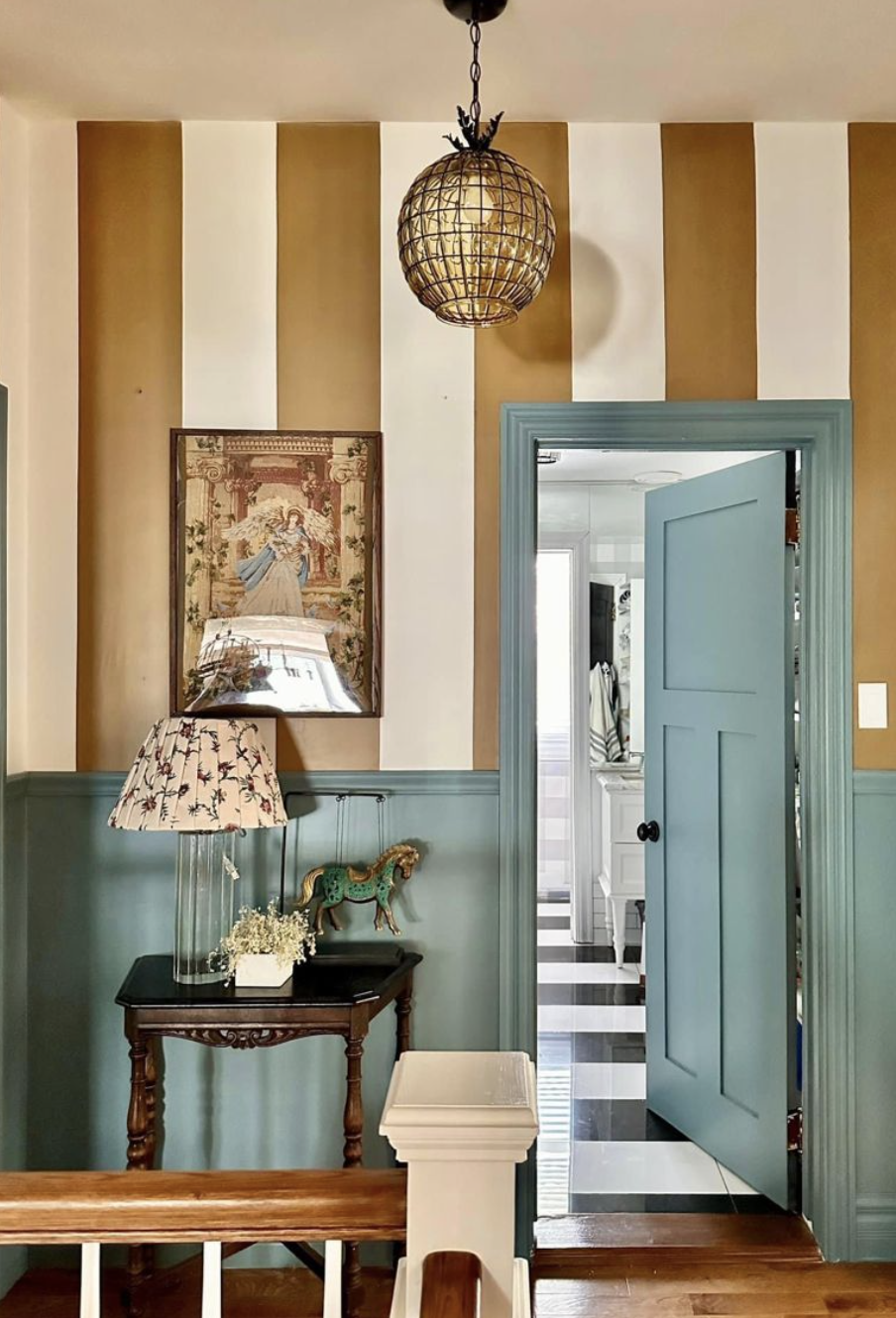


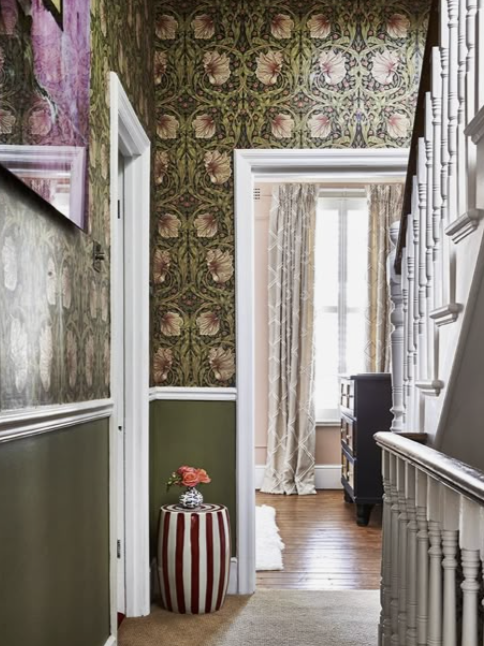


GUIDE TO EDWARDIAN RENOVATIONS
"Edwardian interior design", "Edwardian house style", and "Edwardian period features"
The Edwardian period started during the reign of King Edward VII (1901–1910) and continued into the early 1920s. The style of Edwardian homes marked a departure from the ornate and heavy Victorian era, embracing a lighter, more spacious, and refined aesthetic. Influenced by the Arts and Crafts movement, Edwardian architecture focused on craftsmanship, simplicity, and the use of high-quality materials.
Edwardian homes are known for their generous proportions, natural light and decorative detailing, making renovation a balance between preservation and modernisation.
History and Style of Edwardian Houses
The Edwardian period started during the reign of King Edward VII (1901–1910) and continued into the early 1920s. The style of Edwardian homes marked a departure from the ornate and heavy Victorian era, embracing a lighter, more spacious, and refined aesthetic. Influenced by the Arts and Crafts movement, Edwardian architecture focused on craftsmanship, simplicity, and the use of high-quality materials.
William Morris characterised the Edwardian aesthetic with his focus on craftsmanship and quality, and designs inspired by nature. Morris famously said “have nothing in your house that you do not know to be useful or believe to be beautiful” a real shift from the fussiness of victorian homes.
Edwardian houses are characterised by:
Red brick facades with decorative stone or timber accents, half pebbledash treatment and mock timber. Exterior Brick work used in a decorative way.
Bay windows that allow for more natural light, bay windows could be square or rounded.
Large, airy rooms with high ceilings, often wider than Victorian houses.
Patterned tile pathways leading to front doors.
Ornate wooden porches and stained-glass features.
Wide hallways and spacious layouts, often incorporating grand staircases.
Decorative cornices and mouldings, but less intricate than Victorian styles.
Fireplaces in most rooms, often with wooden or tiled surrounds.
Renovation Tips
When renovating an Edwardian house, it is essential to preserve its historical features while updating it for modern living. Here are some key considerations:
Restoring Period Features
Windows & Doors: Retain original sash windows and wooden doors, or replace with sympathetic replicas. Replace of repair any window shutters. Add well designed glazing to future proof and update the house to current building eco standards.
Fireplaces: Restore original fireplaces or install period-appropriate reproductions.
Flooring: Preserve original wooden floorboards or install reclaimed timber flooring.
Plasterwork, Cornices, picture and Dado rails: Repair decorative mouldings and ceiling roses to maintain the house’s character. Reinstate or repair Dado and picture rails for an authentic period look.
Paint Colours: Paint company's worth considering are Little Greene, which have paint specific to several eras. Farrow and Ball, many of their colours have been recreated to match heritage colours. Also Edward Bulmer Natural Paints have period appropriate colours. All of these companies have guides to using their paint in period properties online.
Enhancing Natural Light
Edwardian homes often have large windows, but some spaces can still feel dark. Consider:
Adding roof lights or skylights to increase natural light.
Installing glass doors to open up spaces without losing period charm.
Modern Comforts with Period Charm
Kitchen Extensions: Create an open-plan space while using materials like wood and stone to blend with original features.
Bathroom Updates: Incorporate roll-top baths, traditional-style sinks, and period-style tiling.
Energy Efficiency: Upgrade insulation, add solar panels and install secondary glazing to improve thermal efficiency without altering original windows.
Room-by-Room Renovation Guide
Hallways & Entrances
Edwardian hallways are typically wide and inviting, often featuring Encaustic tiled floors and wooden paneling.
Flooring: Restore original patterned tiles or install period-style alternatives.
Colour Palette: Soft greys, muted blues, or sage greens to maintain a classic feel.
Lighting: Statement chandler or period-style wall sconces.
Doors & Windows: Retain stained glass if present, or introduce period-style replicas.
Panelling: Repair or install panels to add character and design interest to the hallway.
Furniture: Console table, a statement chair, artworks and mirrors to add interest to the space.
Living Rooms
These rooms are often spacious with decorative fireplaces and large bay windows.
Colour Palette: Warm neutrals, soft creams, muted pinks heritage greens or green blues.
Fireplace: Restore original fireplaces or opt for cast-iron or tiled period-style fireplaces.
Ceilings: Retain or restore decorative mouldings, cornice and ceiling roses.
Lighting: A central dimmable Chandelier, wall sconces and table Lamps will give a good mix of flattering lighting.
Flooring: Restore or replace wooden floorboards. Add hand knotted Wool rugs for a cosy atmosphere.
Furniture: Mix antique and modern pieces for a balanced look. Key accessories are artworks, books, mirrors and carefully chosen ceramics and glassware.
Storage: Built in bookshelves with cupboards.
Soft Furnishings: Curtains, blinds and cushions will elevate the room.
Dining Rooms
Many Edwardian homes have separate dining rooms, which can be made functional while preserving historical charm.
Colour Palette: Deep reds, navy blues, or warm ochres to create a sophisticated atmosphere.
Flooring: Restore wooden floors and add a oriental rug for warmth.
Lighting: Chandeliers or period-style wall lights add a sense of grandeur.
Fireplace & Storage: Incorporate built-in cabinetry or sideboards for storage.
Curtains or blinds: Set the tone with an interesting window treatment.
Furniture: Oak arts and Crafts style table and chairs antique would be best for authenticity.
Kitchens
While Edwardian kitchens were often small and utilitarian, modern renovations can blend classic elements with contemporary convenience.
Colour Palette: Creams, pastel greens, or duck-egg/pastel blue for a fresh look.
Cabinetry: Shaker-style units, The “ In frame” style is appropriate with brass or ceramic handles.
Worktops: Butcher block or marble look granite for a traditional yet stylish feel.
Lighting: Pendant lights over workspaces or a central chandelier.
Flooring: Restore stone or wooden floors.
Furniture: Instead of an Island consider a wooden rustic style farmhouse table with bench seating or antique chairs.
Window treatments: Roman blinds work well and help to soften the space
Bedrooms
Edwardian bedrooms are typically spacious and can be styled elegantly while maintaining period features.
Colour Palette: Soft lavenders, dusky pinks, or light blues for a tranquil ambiance.
Wallpaper: Botanical and floral wallpaper.
Flooring: Wooden floors with plush rugs for added comfort.
Windows: Retain sash windows with period-appropriate curtains or shutters.
Wardrobes: Built-in storage with paneling to match Edwardian aesthetics.
Furniture: Cast Iron or Upholstered beds, upholstered arm chair, chest of draws, bedside tables antique pieces work well here.
Lighting: A small chandelier, table lamps, wall lights.
Window Treatment: Curtains if the windows are large, otherwise use
roman blinds.
Accessories: Cushions, Mirrors artworks.
Bathrooms
Traditional Edwardian bathrooms often featured freestanding baths and detailed tiling.
Colour Palette: White with black accents, soft pastels, or navy with brass fittings.
Fixtures: Roll-top baths, pedestal sinks, and high-level cistern toilets.
Flooring & Tiles: Black and white checkered tiles or period-style ceramic tiles.
Accessories: Vintage mirrors, traditional towel rails, and wall-mounted lighting.
Conclusion
Renovating an Edwardian home means preserving period features while making thoughtful updates, you can maintain the character and elegance of the home while enhancing its comfort and functionality. A carefully chosen colour palette and period-appropriate furnishings mixed with some modern pieces can bring out the character of each room while ensuring the space remains practical for contemporary living. An Interior Designer specialising in period home renovations can guide you through this process and advise on colour choice, flow and preservation of original features.


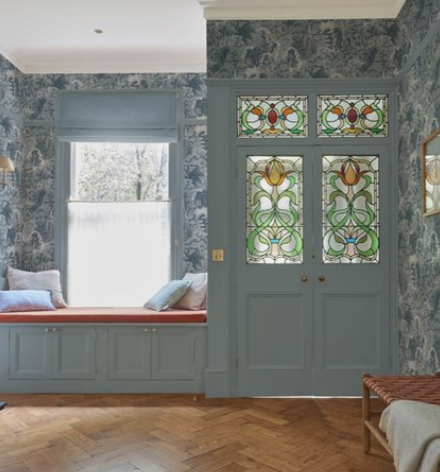
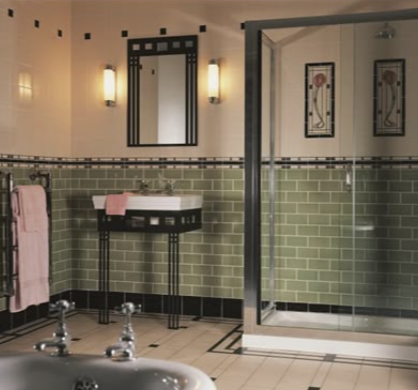
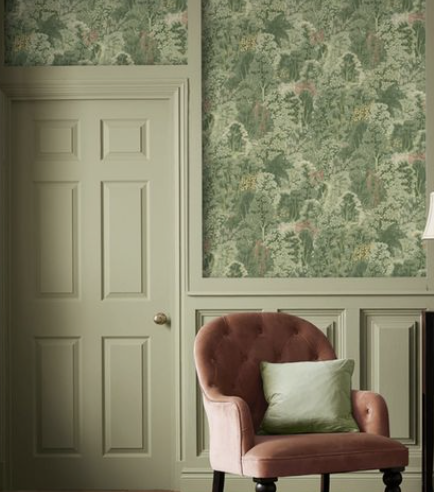

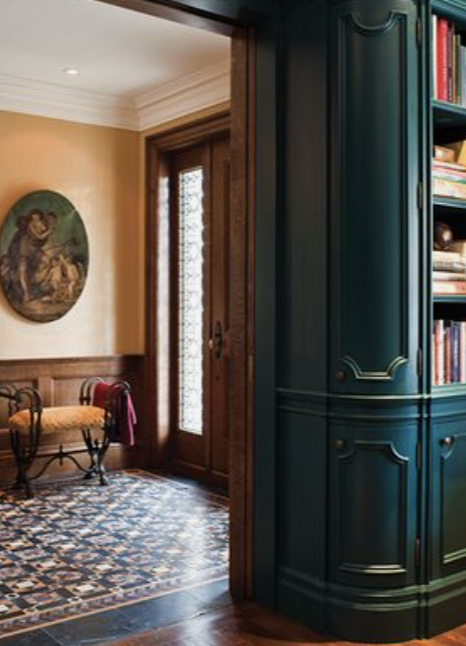


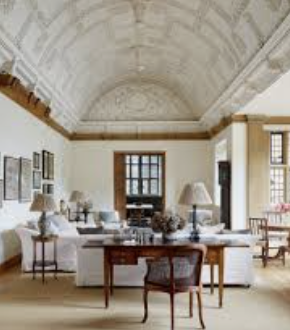


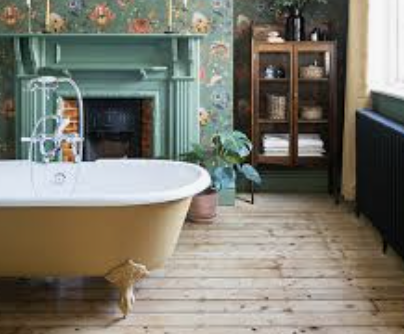

How to Choose Paint Colours Based on Room Orientation.
"Interior painting guide" , interior paint colour guide", "Choosing paint room colours, colour scheme guide for interiors
Choosing paint colour for your home requires an understanding of light, proportion and architectural detail to ensure original features are enhanced rather than overpowered.
Featuring: Farrow & Ball, Little Greene, and Edward Bulmer
Understanding Light and Colour in Interiors
Natural light dramatically changes how we perceive colour. Here's how:
Key Factors That Influence Colour Appearance:
Time of Day: Morning light is cooler and sharper; afternoon light is warmer and softer.
Window Direction: North-facing rooms get cooler, diffused light; south-facing rooms receive warm, consistent sunlight.
Surface Reflectivity: Matte finishes absorb light; glossier paints reflect it.
Surrounding Elements: Flooring, upholstery, and even window glass can cast coloured reflections on your walls.
NORTH-FACING ROOMS
Choosing paint colour for your home requires an understanding of light, proportion and architectural detail to ensure original features are enhanced rather than overpowered.
Natural light dramatically changes how we perceive colour. Here's how:
Key Factors That Influence Colour Appearance:
Time of Day: Morning light is cooler and sharper; afternoon light is warmer and softer.
Window Direction: North-facing rooms get cooler, diffused light; south-facing rooms receive warm, consistent sunlight.
Surface Reflectivity: Matte finishes absorb light; glossier paints reflect it.
Surrounding Elements: Flooring, upholstery, and even window glass can cast coloured reflections on your walls.
NORTH-FACING ROOMS
Light Qualities:
Grey, indirect light all day
Cooler and dimmer, especially in the morning
Shadows appear more bluish
Colour Strategy:
Avoid cold or stark whites—they can feel sterile.
Choose warm, rich tones or deep, moody hues to enhance coziness.
Warm neutrals and earthy tones add balance.
Paint Colour Suggestions:
Brand Colour Tone & Description
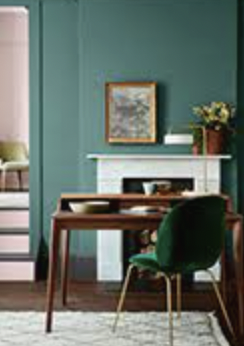
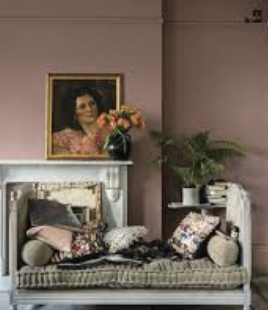
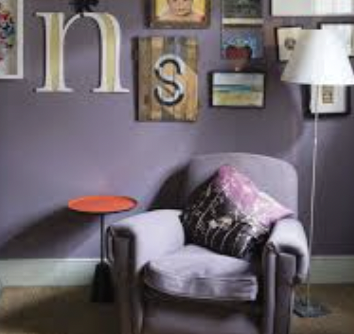
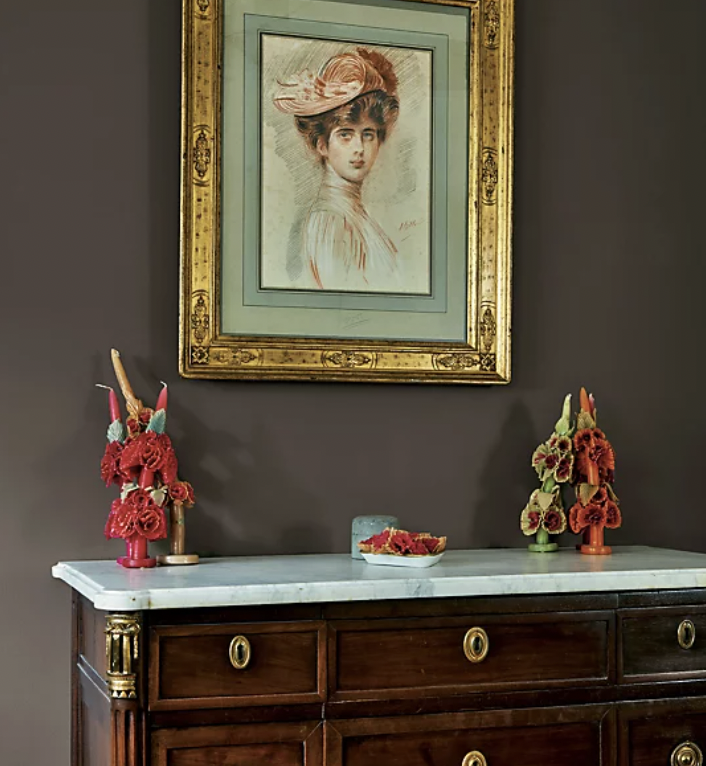
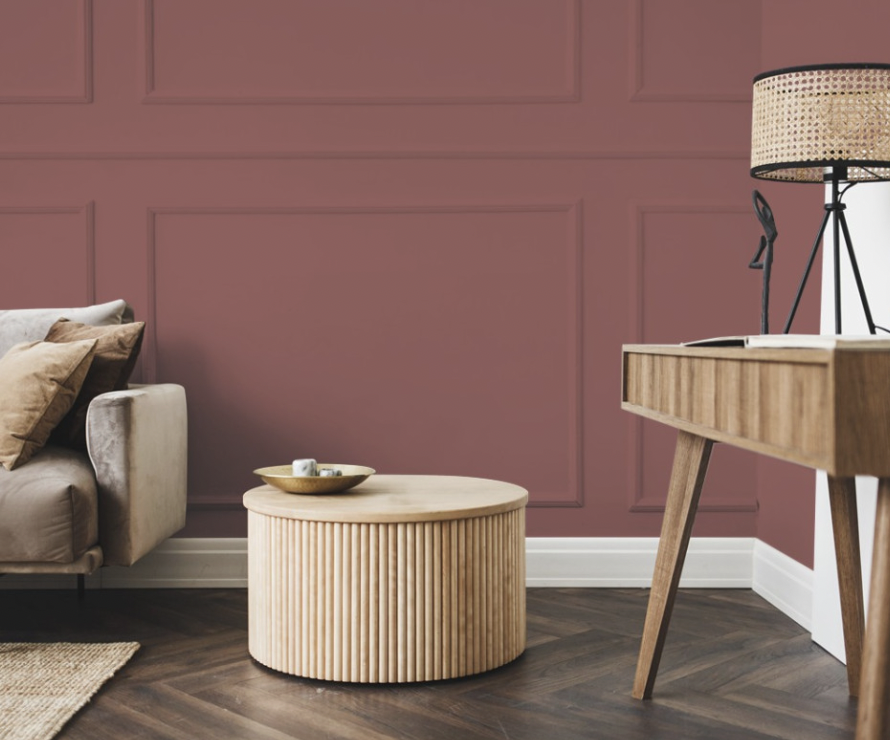
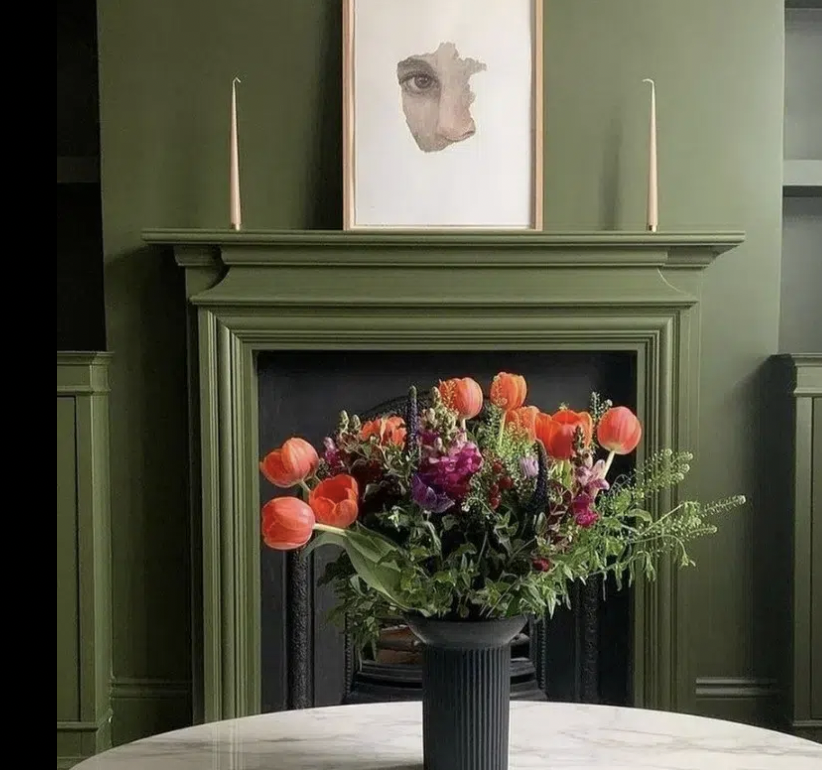
Farrow & Ball Sulking Room Pink Romantic muted rose
Farrow & Ball Oval Room Blue Deep blue-green with grey
Farrow & Ball London Clay Earthy taupe with mauve
Farrow & Ball Pelt Dramatic aubergine purple
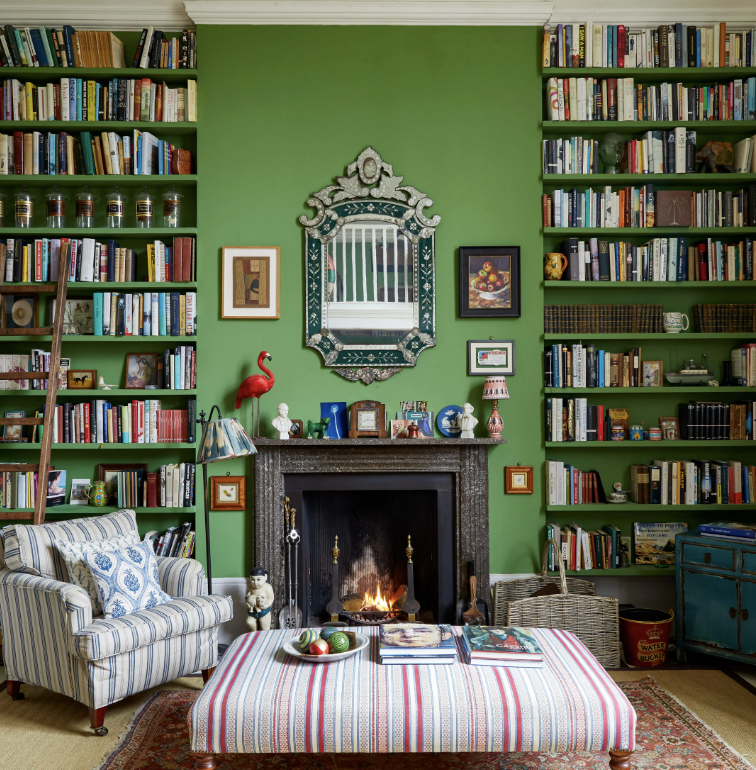
Little Greene Woodland Deep forest green
Little Greene Dark Lead Colour Warm charcoal
Little Greene Mushroom Warm, greyed-off neutral
Edward Bulmer Red Ochre Earthy red
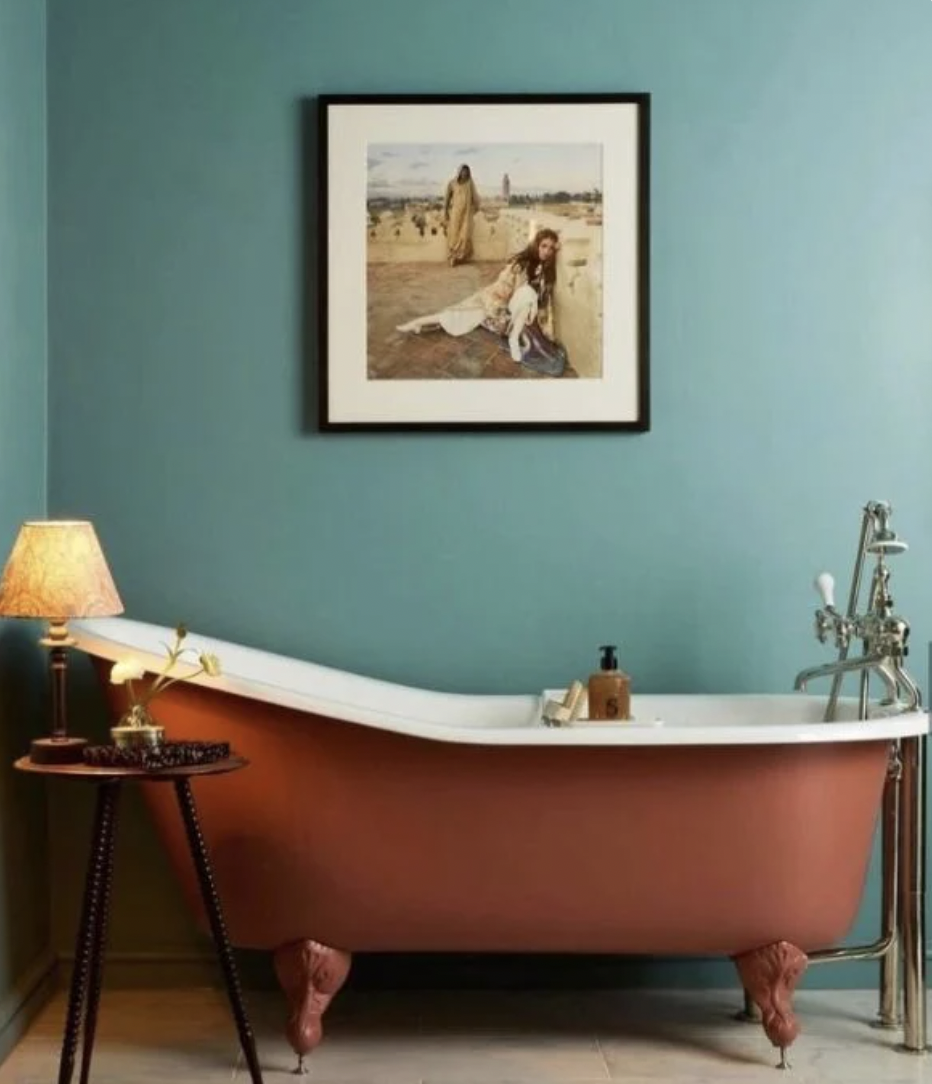
Edward Bulmer Brick Rustic terracotta
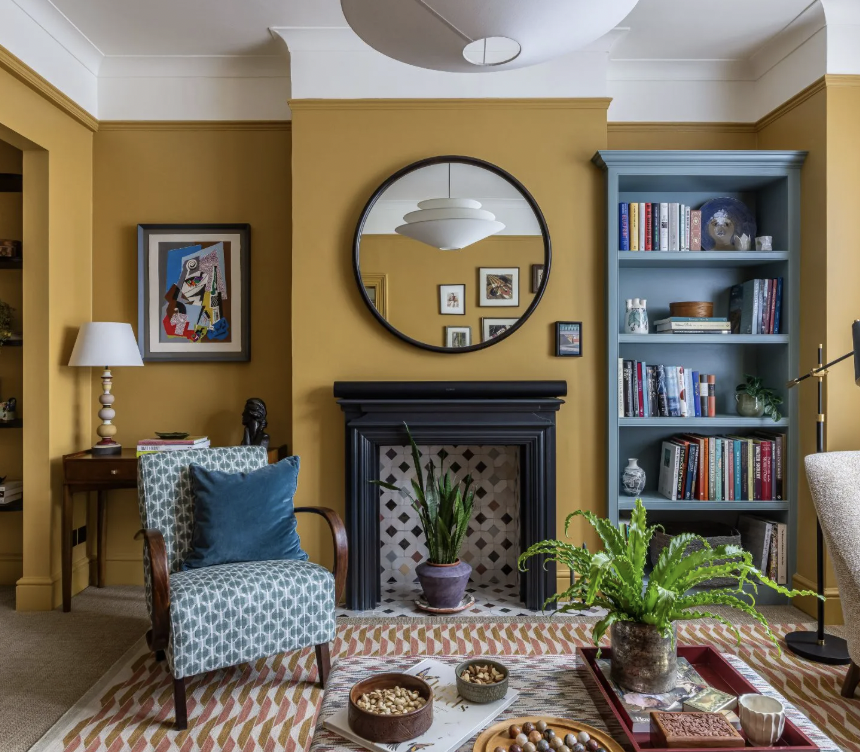
Edward Bulmer Ochre Mustard yellow warmth
SOUTH-FACING ROOMS
Light Qualities:
Bright, golden light throughout the day
Makes colours appear warmer
Can intensify bold tones
Colour Strategy:
Most colours thrive here—bold, saturated, or dark shades especially.
Use cooler tones to balance warmth.
Whites and off-whites look creamy or golden in southern light.
Brand Colour Tone & Description
Farrow & Ball India Yellow Rich mustard gold
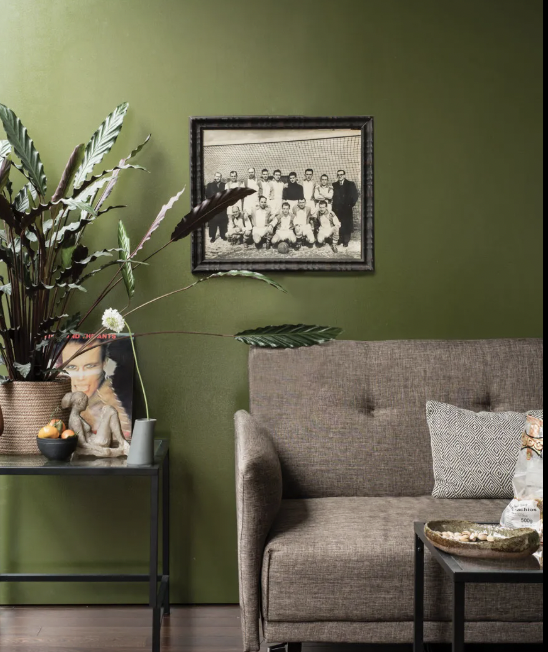
Farrow & Ball Bancha Olive green
Farrow & Ball Down Pipe Deep slate with blue
Farrow & Ball Stone Blue Warm mid-blue
Little Greene Ashes of roses Soft brownish redmm
Little Greene Basalt Inky navy
Little Greene Pompeian Ash Soft charcoal
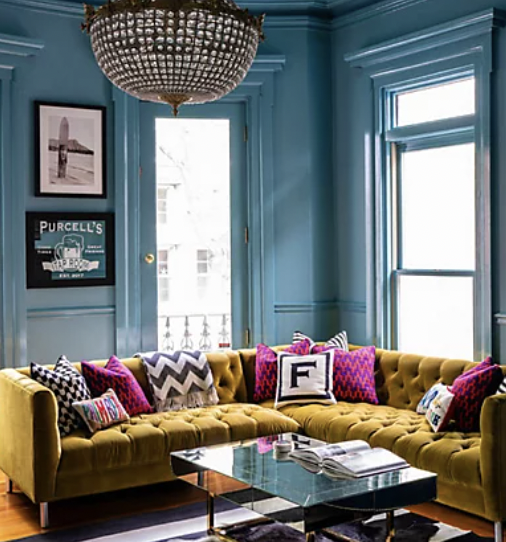
Little Greene Aquamarine Deep Jewel-toned teal
Edward Bulmer Invisible Green Botanical, Victorian green
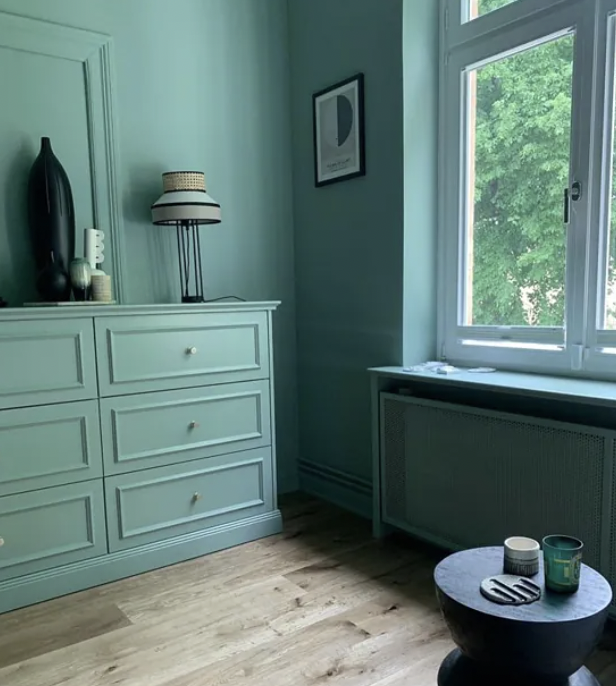
Edward Bulmer Vert de mer Powdery aqua
Edward Bulmer Jonquil Gentle, happy yellow
EAST-FACING ROOMS
Light Qualities:
Bright and cool in the morning
Loses warmth in the afternoon
Blue undertones are more apparent
Colour Strategy:
Choose warm or sunlit colours that glow in early light.
Soft pinks, yellows, or peaches are ideal.
Neutrals with a hint of warmth stay friendly all day.
Brand Colour Tone & Description
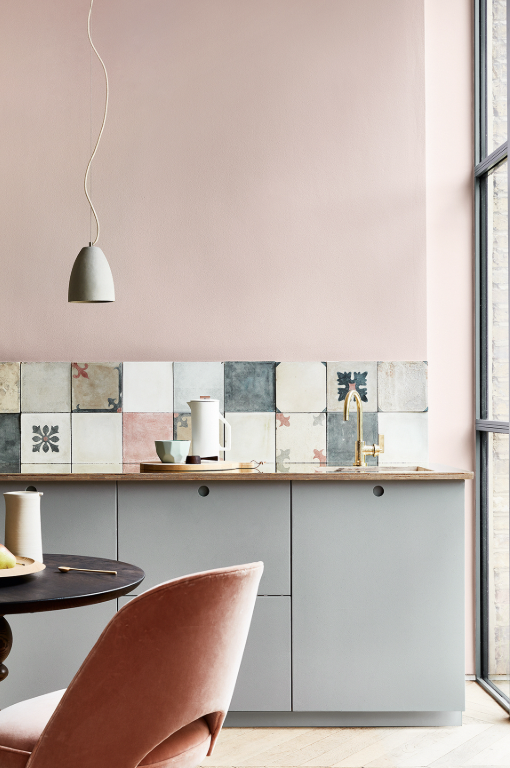
Farrow & Ball Setting Plaster Subtle blush
Farrow & Ball Pink Ground Warm, earthy pink
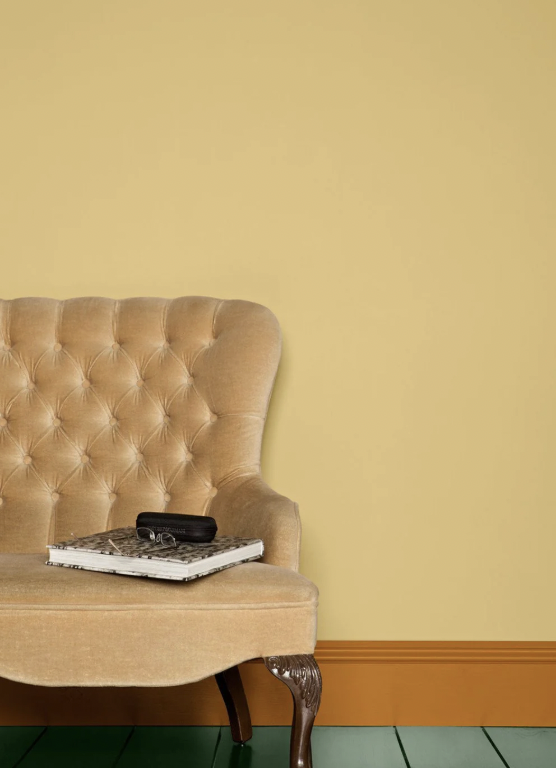
Farrow & Ball Hay Soft straw yellow
Farrow & Ball Yeabridge Green Fresh and organic
Little Greene Light Peachblossom Delicate coral pink
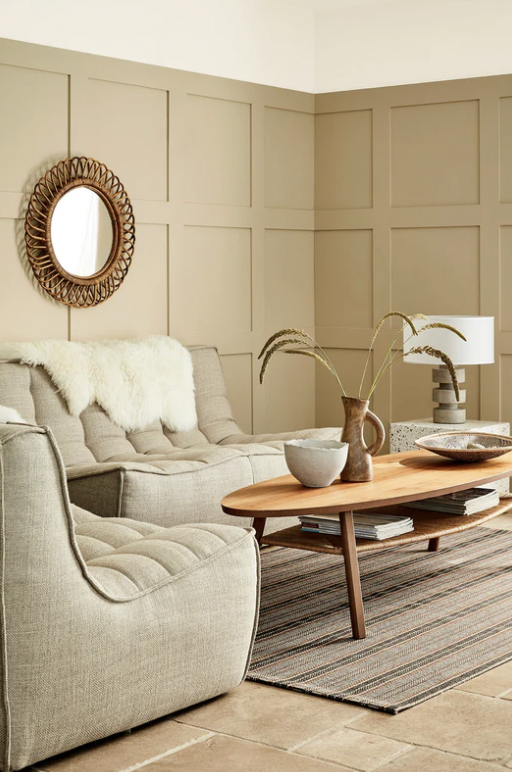
Little Greene Stock Pale creamy neutral
Little Greene Olive Colour Warm, dusky green
Edward Bulmer Straw Gentle yellow beige
Edward Bulmer Drab Green Green-grey warmth
Edward Bulmer Clove Soft, juicy orange tone
WEST-FACING ROOMS
Light Qualities:
Cool and soft light in the morning
Golden light in the evening
Dramatic contrast from day to dusk
Colour Strategy:
Choose cooler tones if used in the morning.
Use warmer hues for evening-focused rooms.
A good place for neutrals, greens, and complex pinks.
Brand Colour Tone & Description
Farrow & Ball Light Blue Soft duck egg blue
Farrow & Ball Skimming Stone Warm grey-beige
Farrow & Ball Calluna Light lilac-grey
Farrow & Ball Jitney Sandy beige
Little Greene Sage Green Warm muted green
Little Greene Celestial Blue Silvery sky blue
Little Greene Shirting Clean, soft white
Edward Bulmer Milk White. Warm buttercream
Edward Bulmer Lead Colour Earthy slate green
Edward Bulmer straw Silk Subtle yellow
Employing and interior design service would be a good investment, as it will save on expensive mistakes in the long term. A professional can also advise on colours which can enhance the features in the house and help harmonise colours from room to room.