
Preserving fireplaces, mouldings, panelling, timber floors and architectural details in London Victorian, Edwardian and Art Deco homes.
Preserving original features is one of the most rewarding aspects of renovating a period home, particularly in London where Victorian, Edwardian, Georgian and Art Deco properties form such a significant part of the city’s architectural identity. Original cornicing, fireplaces, timber floors, panelling and plasterwork bring warmth, craftsmanship and depth that are difficult to replicate convincingly in newer interiors. While modern living often requires homes to function differently than they once did, retaining these elements gives a property continuity and character that can easily be lost through over-renovation.
Images from recent restoration projects I have worked on, where I have restored panelling and mouldings and sourced reclaimed fireplaces.
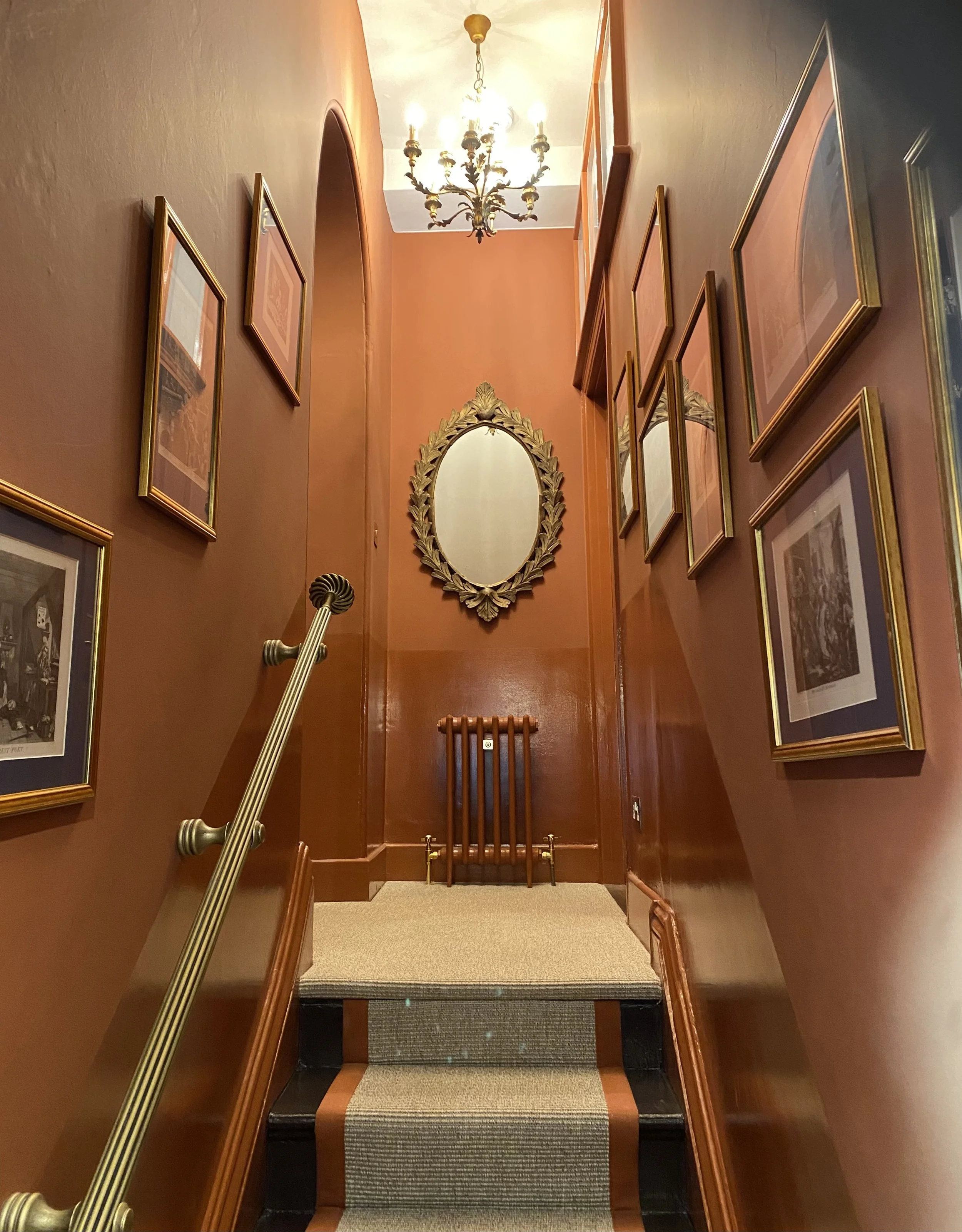
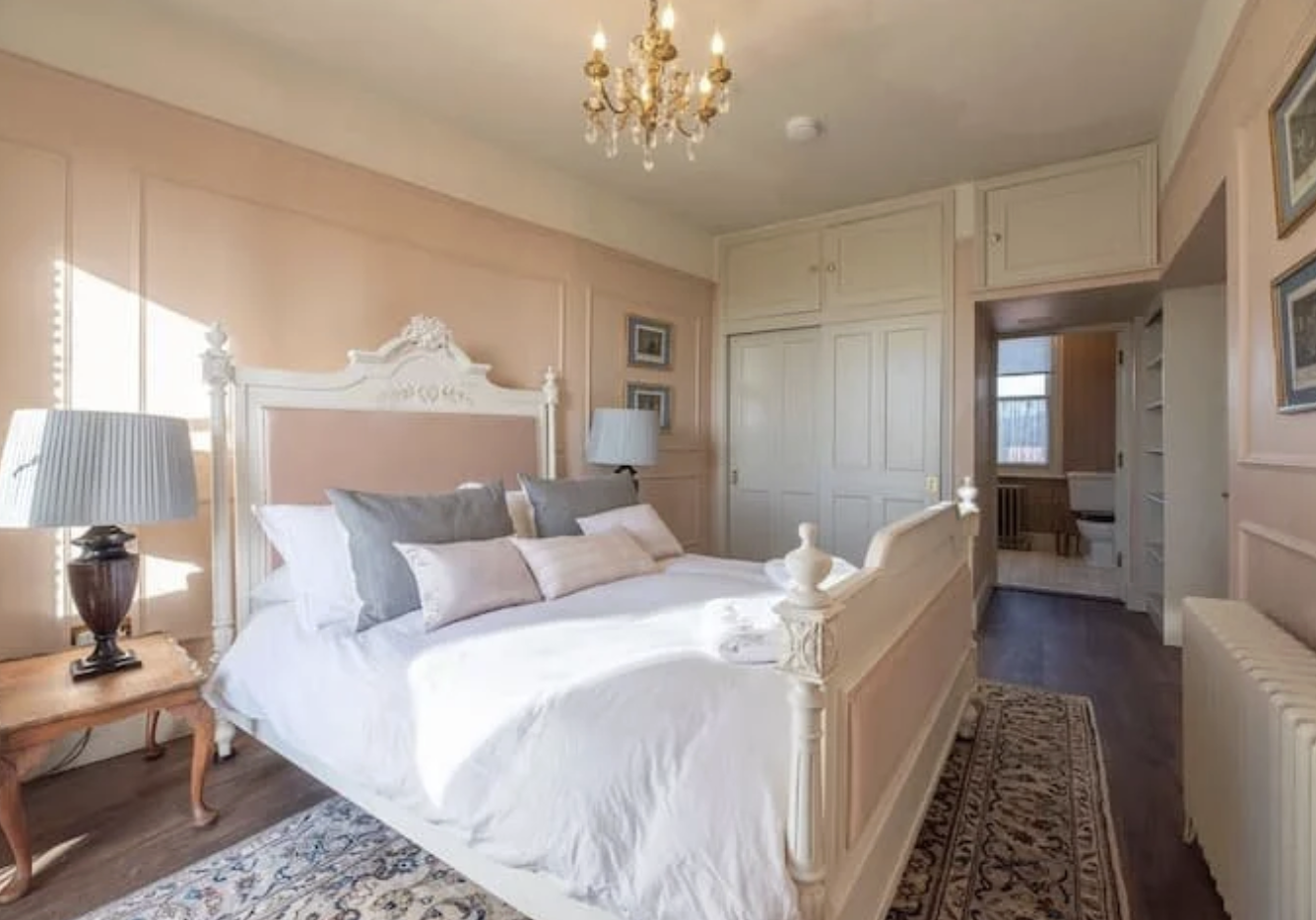
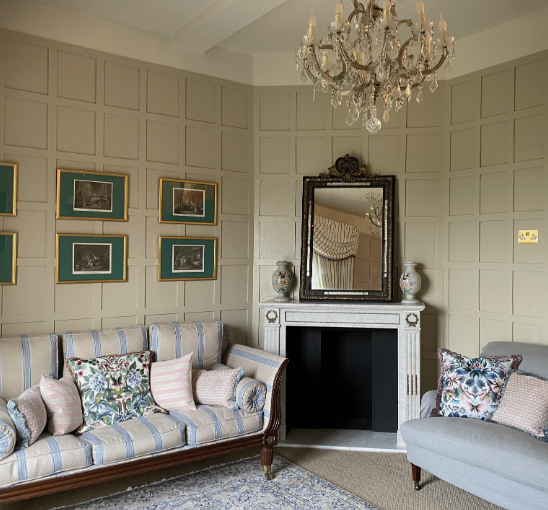
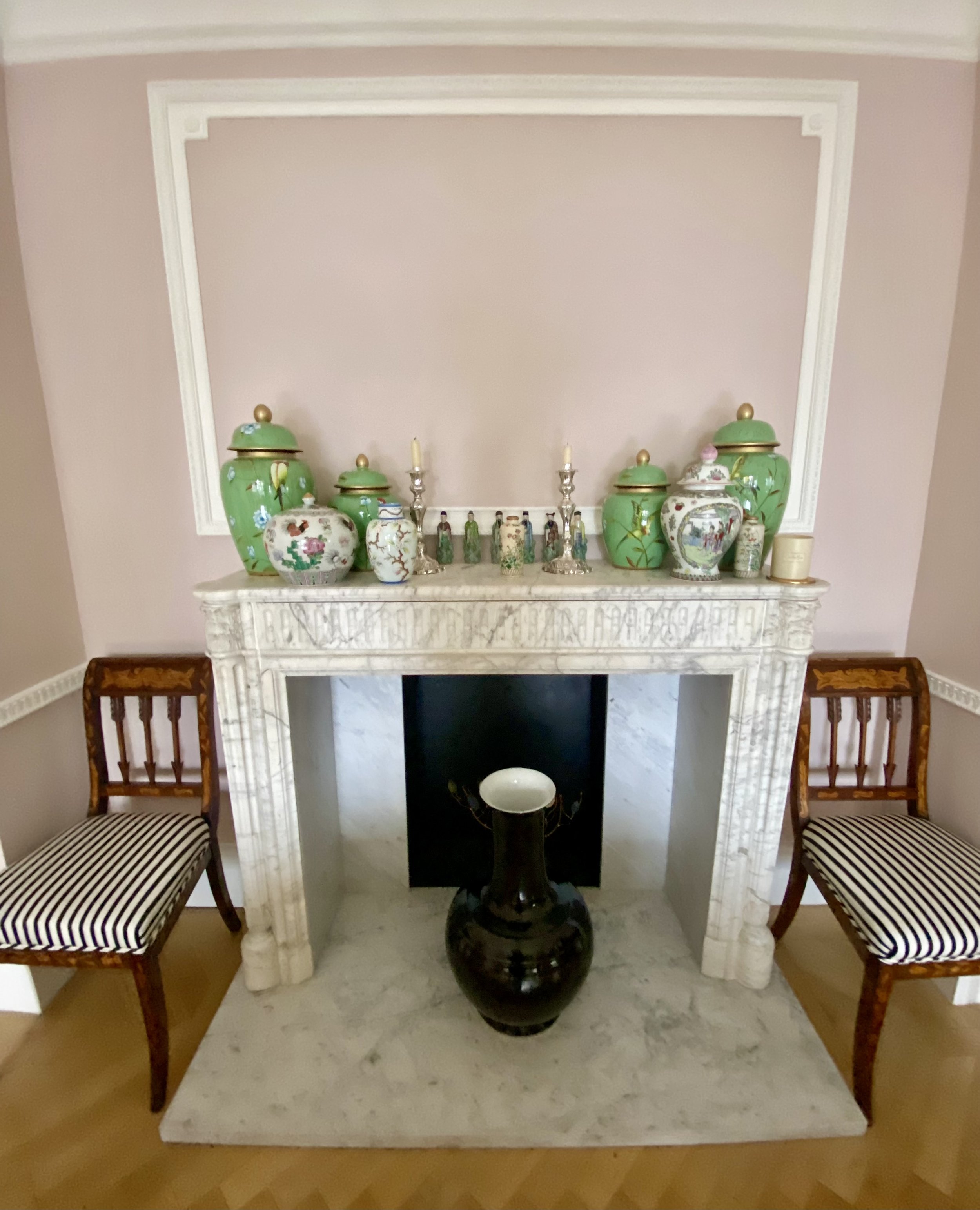
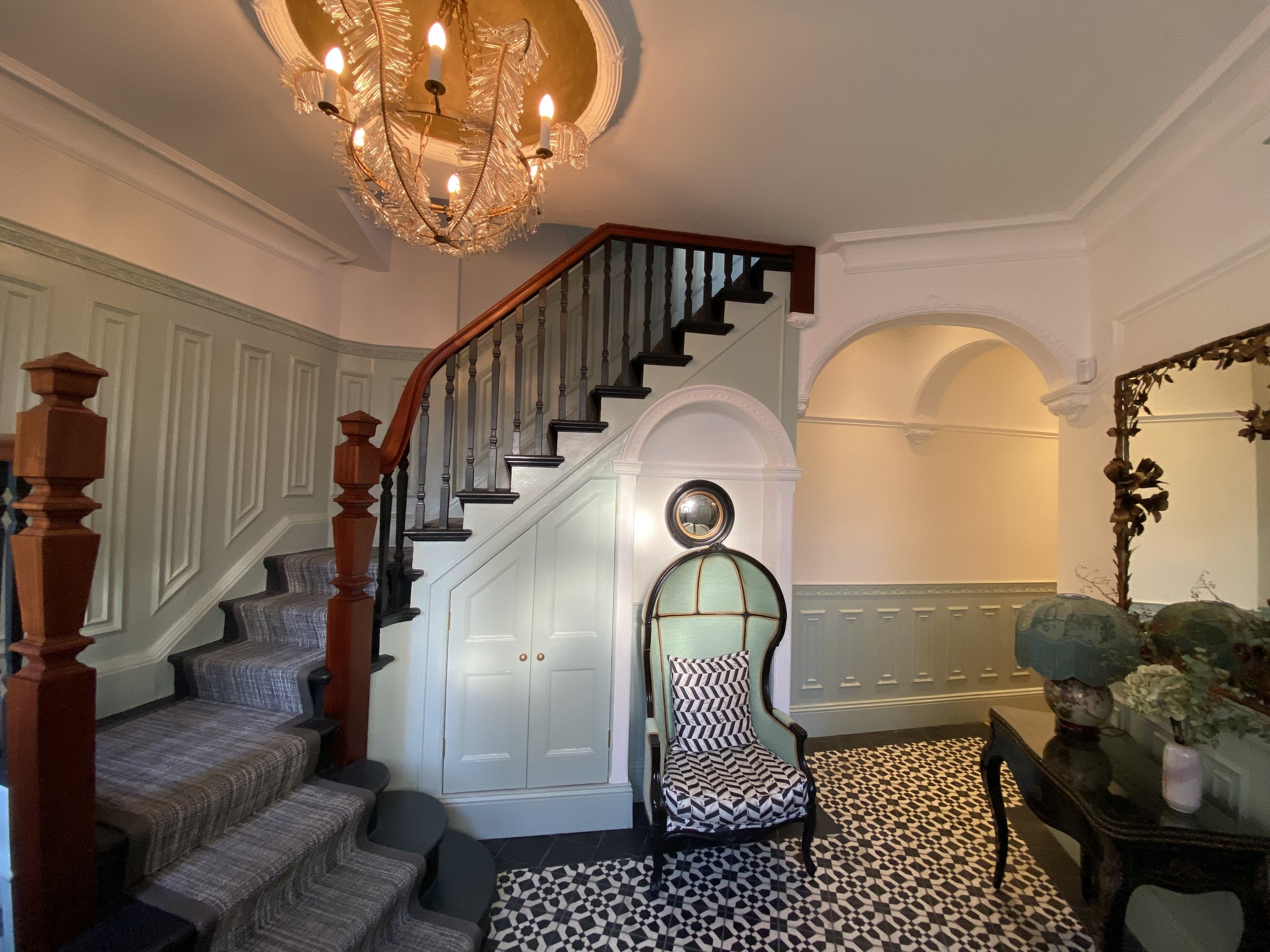
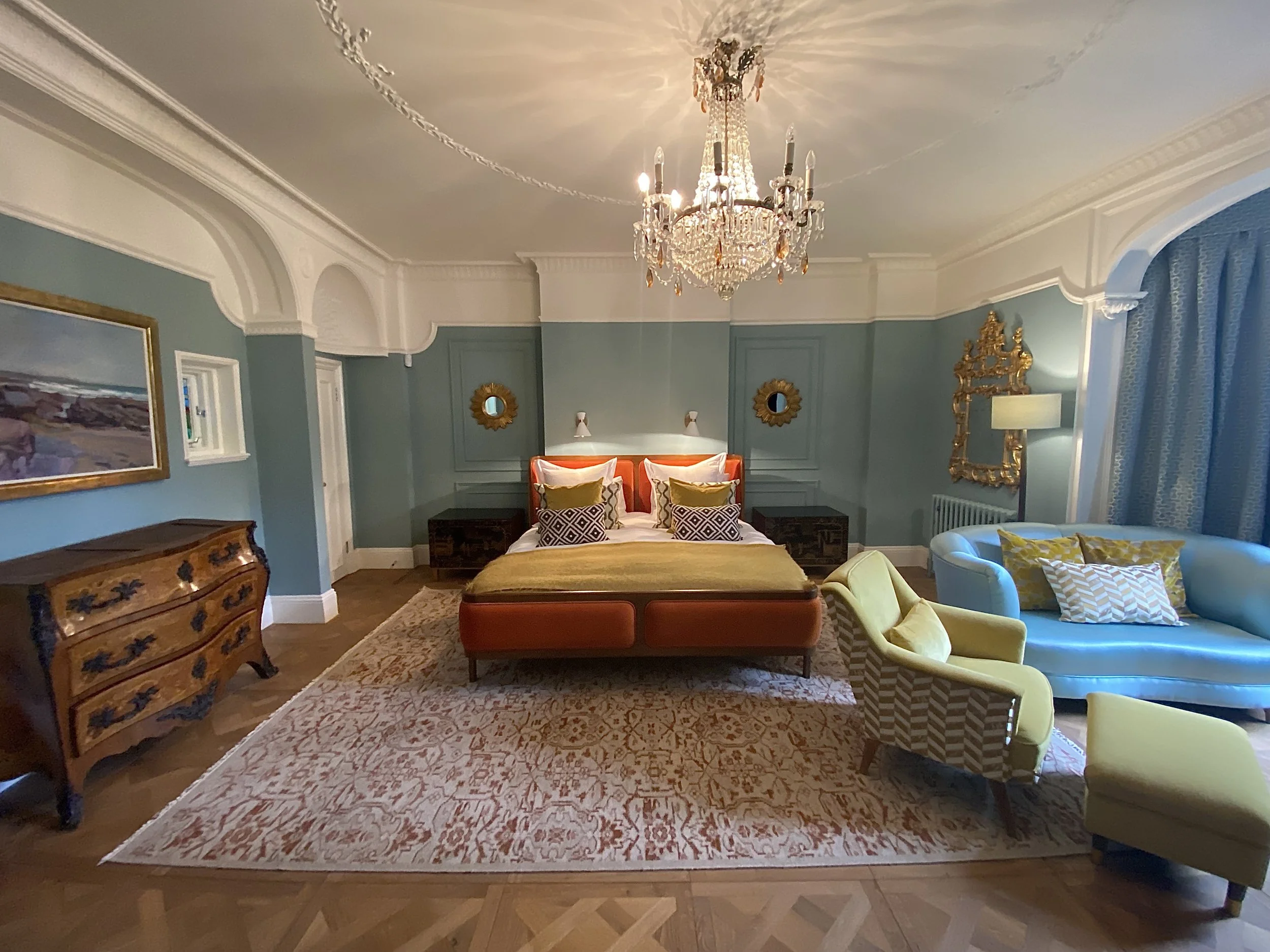
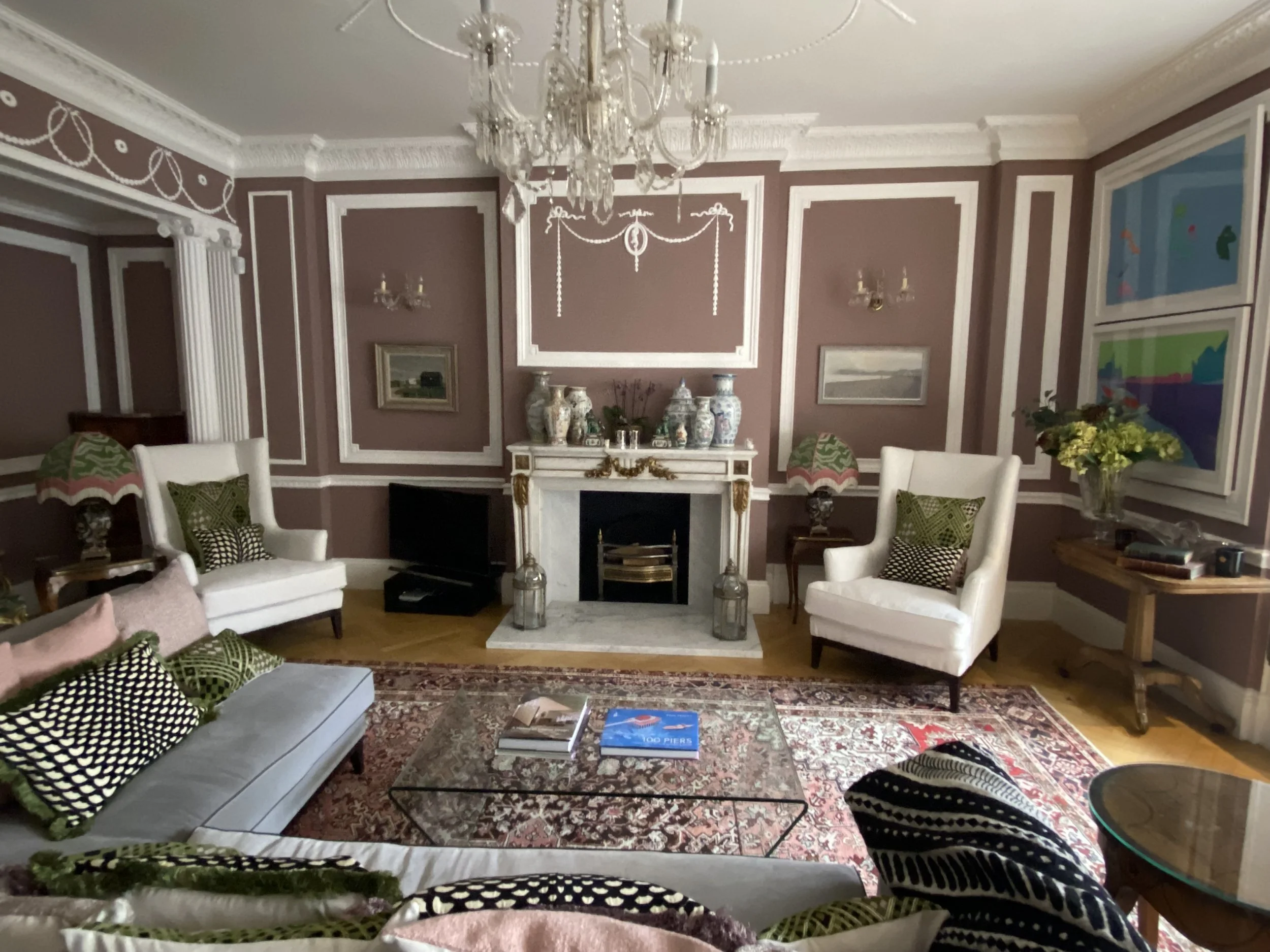
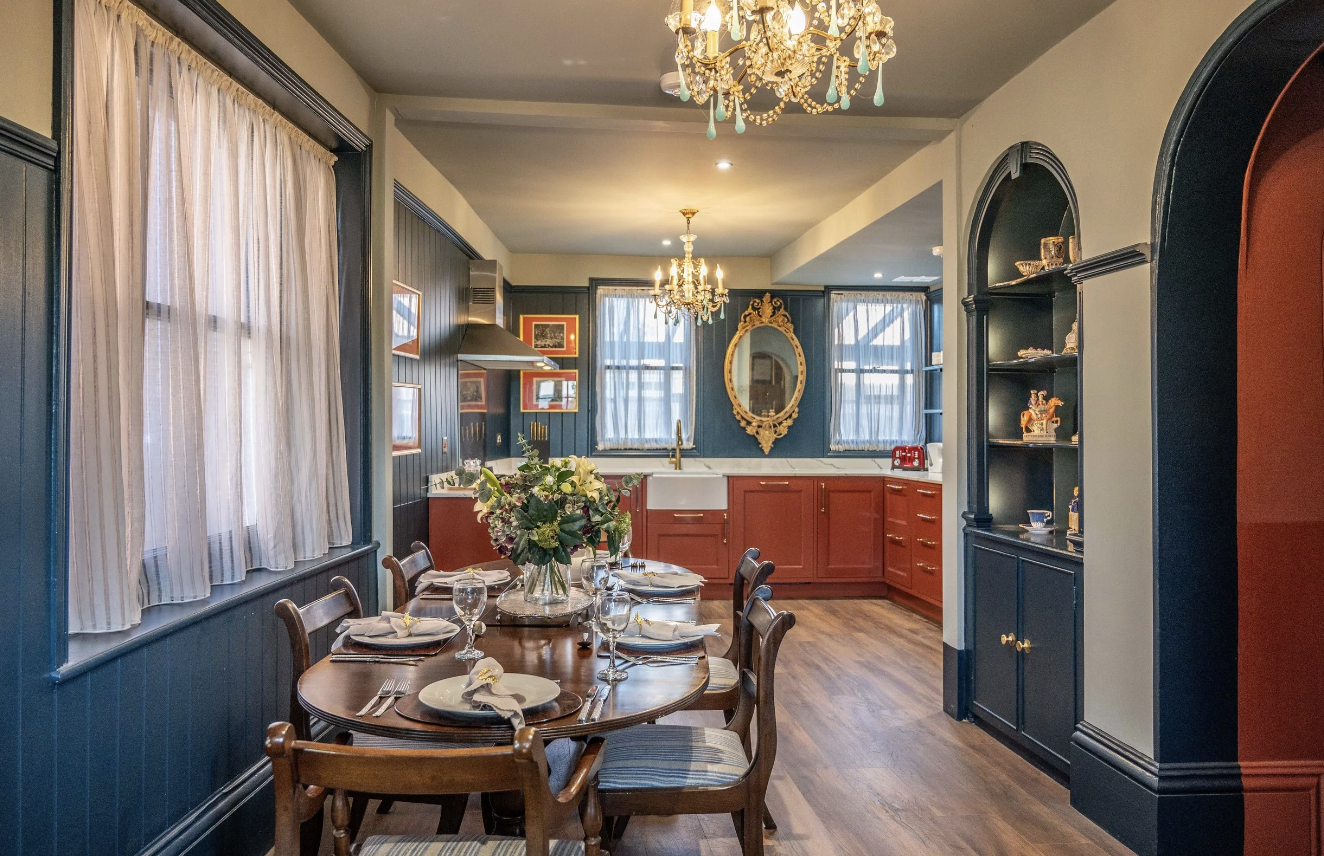
One of the most common mistakes in London period renovations is stripping a property back too aggressively in pursuit of minimalism or open-plan living. Many original features contribute quietly to the proportions and atmosphere of a room, even when they appear subtle at first glance. Ceiling mouldings soften transitions between surfaces, skirting boards anchor rooms visually and original doors add texture and scale that contemporary replacements rarely achieve. Once removed, these details can be expensive — and sometimes impossible — to restore authentically.
In Victorian and Edwardian homes across areas such as Islington, Hampstead, Notting Hill, Primrose Hill and Clapham, fireplaces are often among the first casualties of previous renovations. Yet even non-working fireplaces retain enormous visual importance within a room. Reinstating a period surround or preserving an original mantelpiece immediately restores a sense of balance and permanence. In many cases, combining traditional architectural details with contemporary lighting, furniture and art creates a far more interesting interior than attempting to modernise every element uniformly.
Flooring is another area where thoughtful preservation makes a significant difference. Original timber boards, parquet flooring and encaustic tiles carry an irregularity and patina that bring richness to a home. Rather than replacing worn surfaces entirely, restoration often produces a far more refined result. Gentle sanding, staining and oil finishes can preserve age and texture while allowing the home to feel fresh and contemporary.
London’s reclamation yards are invaluable resources when restoring missing features or sourcing architectural elements that feel appropriate to the age of a property. LASSCO remains one of the most inspiring destinations for reclaimed architectural pieces, lighting, antique hardware and salvaged materials. Their collection ranges from Victorian fireplaces and reclaimed floorboards to unusual decorative objects that bring individuality to interiors. Reclamation yards are particularly useful when previous owners have stripped original features from a property, allowing homeowners to reintroduce character in a way that still feels authentic.
Other excellent sources across London and the surrounding areas include Retrouvius, known for reclaimed materials and vintage pieces with a more eclectic feel, and London Reclamation for architectural salvage . These spaces are often far more rewarding than buying reproduction pieces, as they allow homes to retain a sense of history and imperfection that feels layered and believable.
Preserving original features does not mean a home must feel traditional or overly decorative. Some of the most successful London interiors balance clean contemporary interventions with retained architectural details. A Georgian apartment can accommodate modern lighting and sculptural furniture beautifully when original panelling and proportions remain intact. Likewise, Mid-Century and Art Deco homes often benefit from careful restoration of built-in cabinetry, curved forms or original glazing patterns while introducing updated materials and furnishings elsewhere. Panelling can be reinstated if it has been stripped out, of to enhance a bland space.
The key is restraint. Not every feature needs to be restored perfectly, and not every room requires historical accuracy. The goal is to retain enough of the original architectural language that the property still feels connected to its past, while adapting it sensitively for modern life.
This balance is especially important in London, where homes are frequently extended, reconfigured and modernised. The most successful renovations are rarely those that erase history completely. Instead, they allow original craftsmanship and contemporary living to coexist naturally — creating interiors that feel timeless, layered and deeply personal.
A GUIDE TO RENOVATING GEORGIAN PROPERTY A GUIDE TO RENOVATING VICTORIAN PROPERTIES How to Choose Paint Colours
PASSEMENTERIE A GUIDE