
Where Interior Designers Source Furniture, Lighting & Antiques in London
From Chelsea Harbour and antique dealers to reclaimed lighting, vintage sourcing and contemporary London makers.
Sourcing is one of the most important — and often least visible — parts of an interior design project. In London particularly, sourcing goes far beyond simply choosing furniture online. It is about building layers, balancing old and new, understanding craftsmanship and creating interiors that feel personal rather than formulaic.
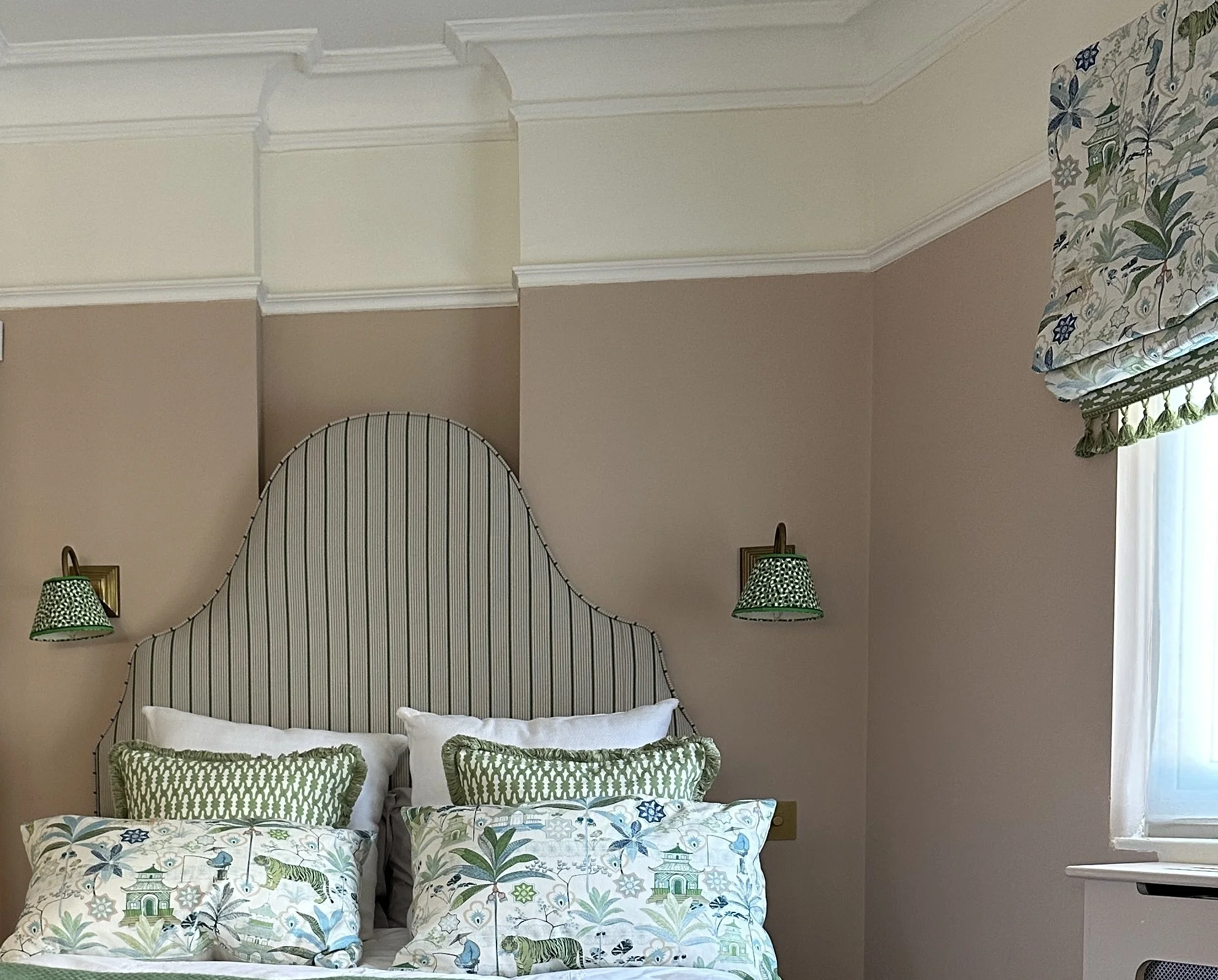
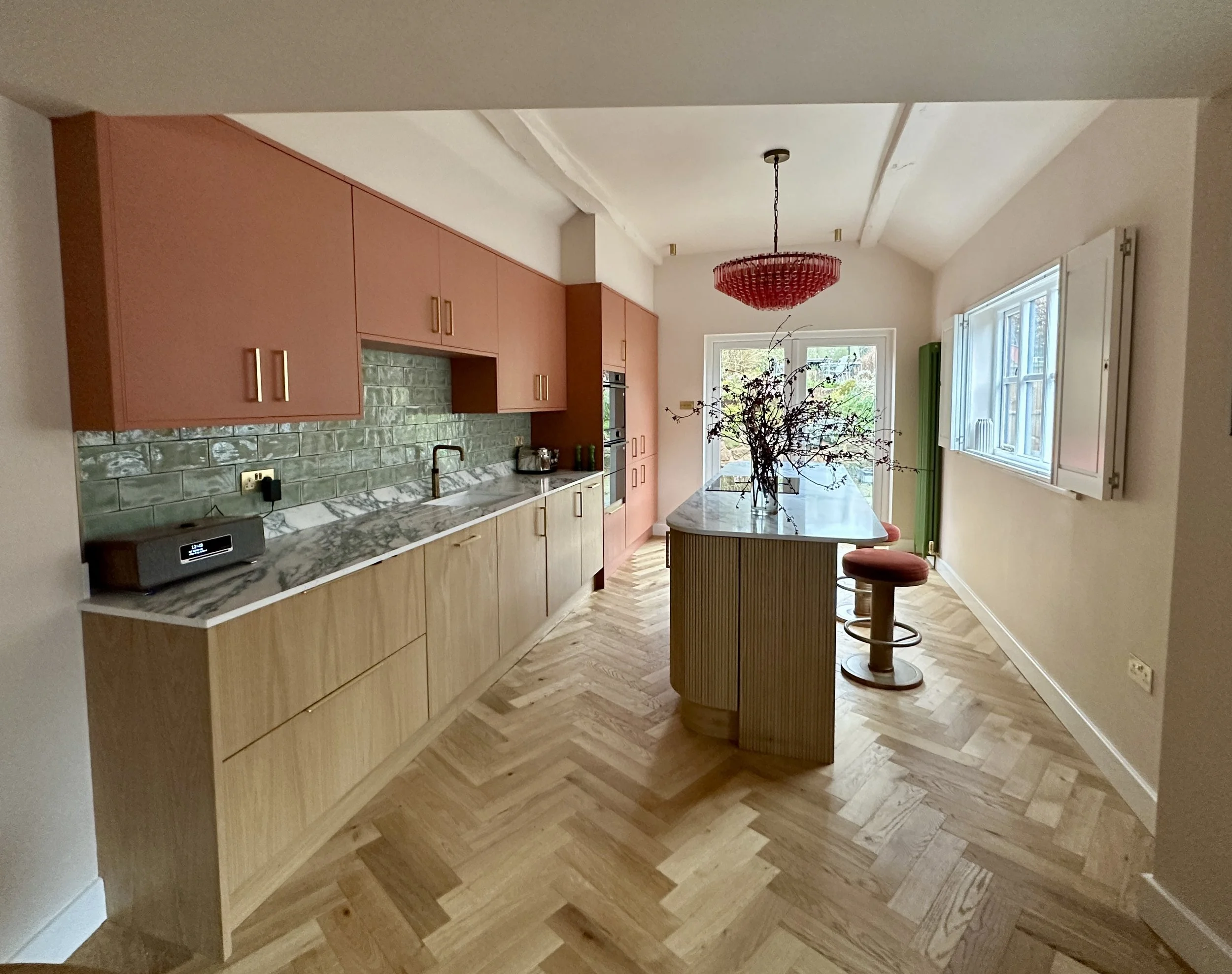
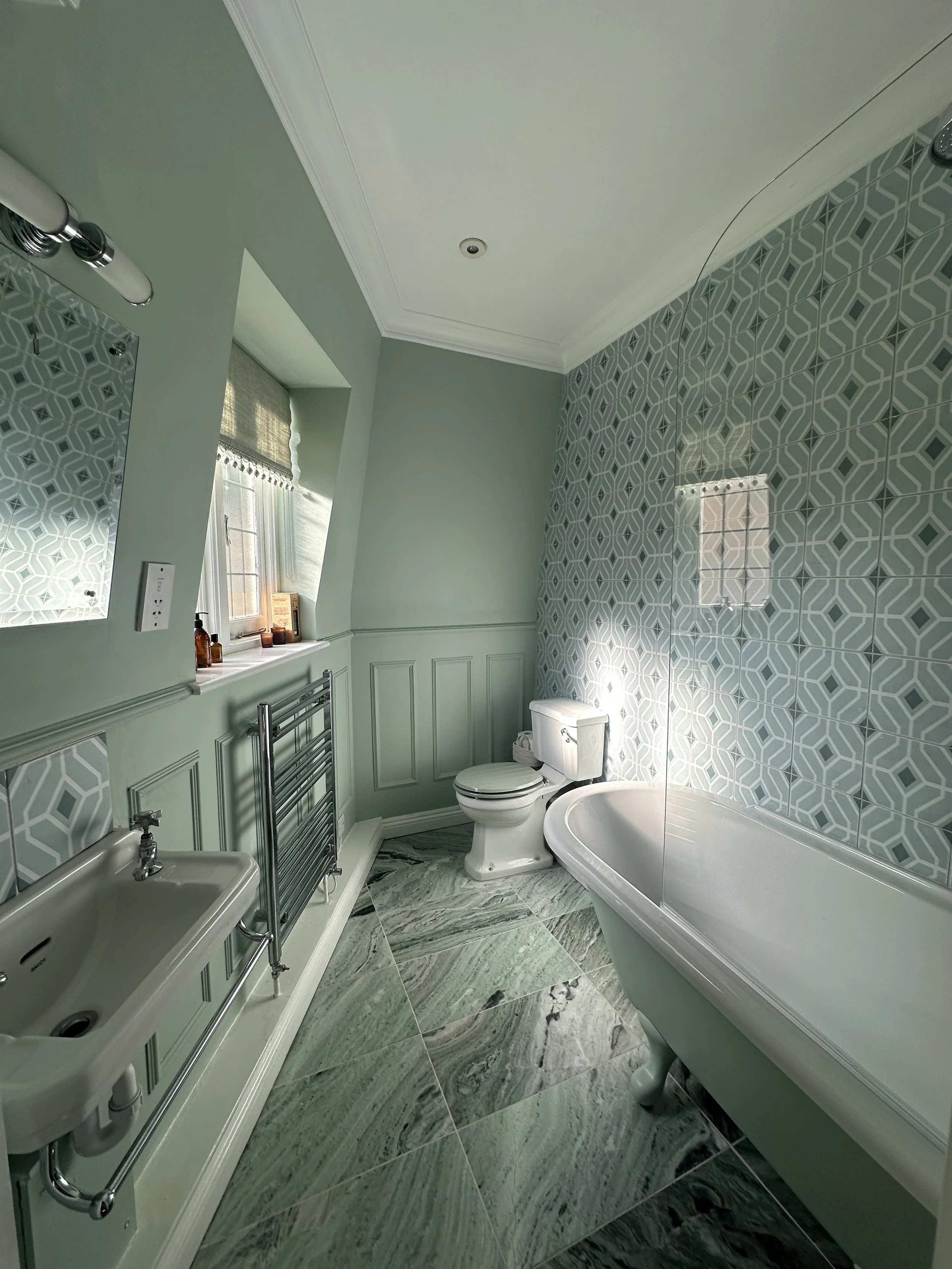
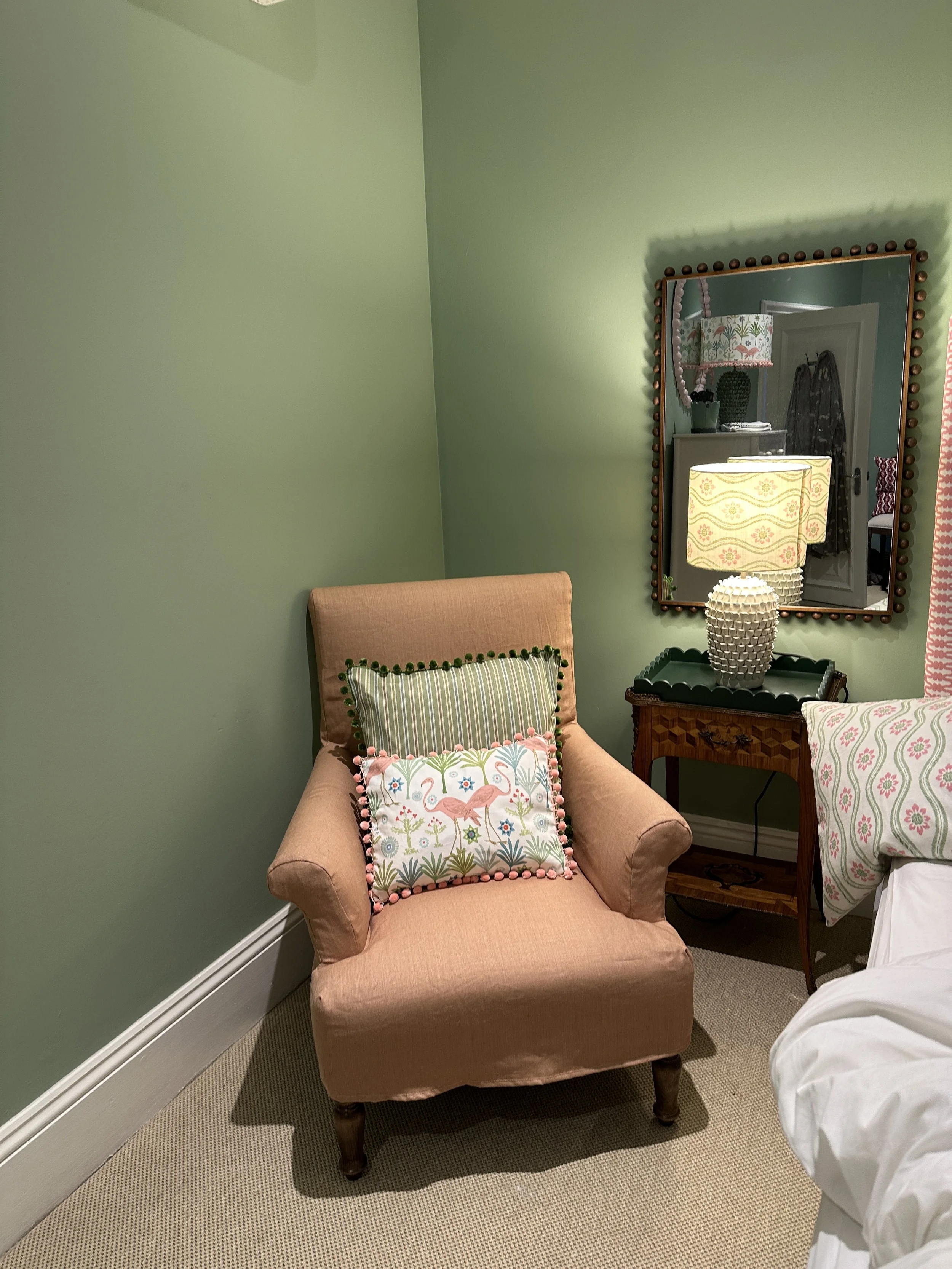
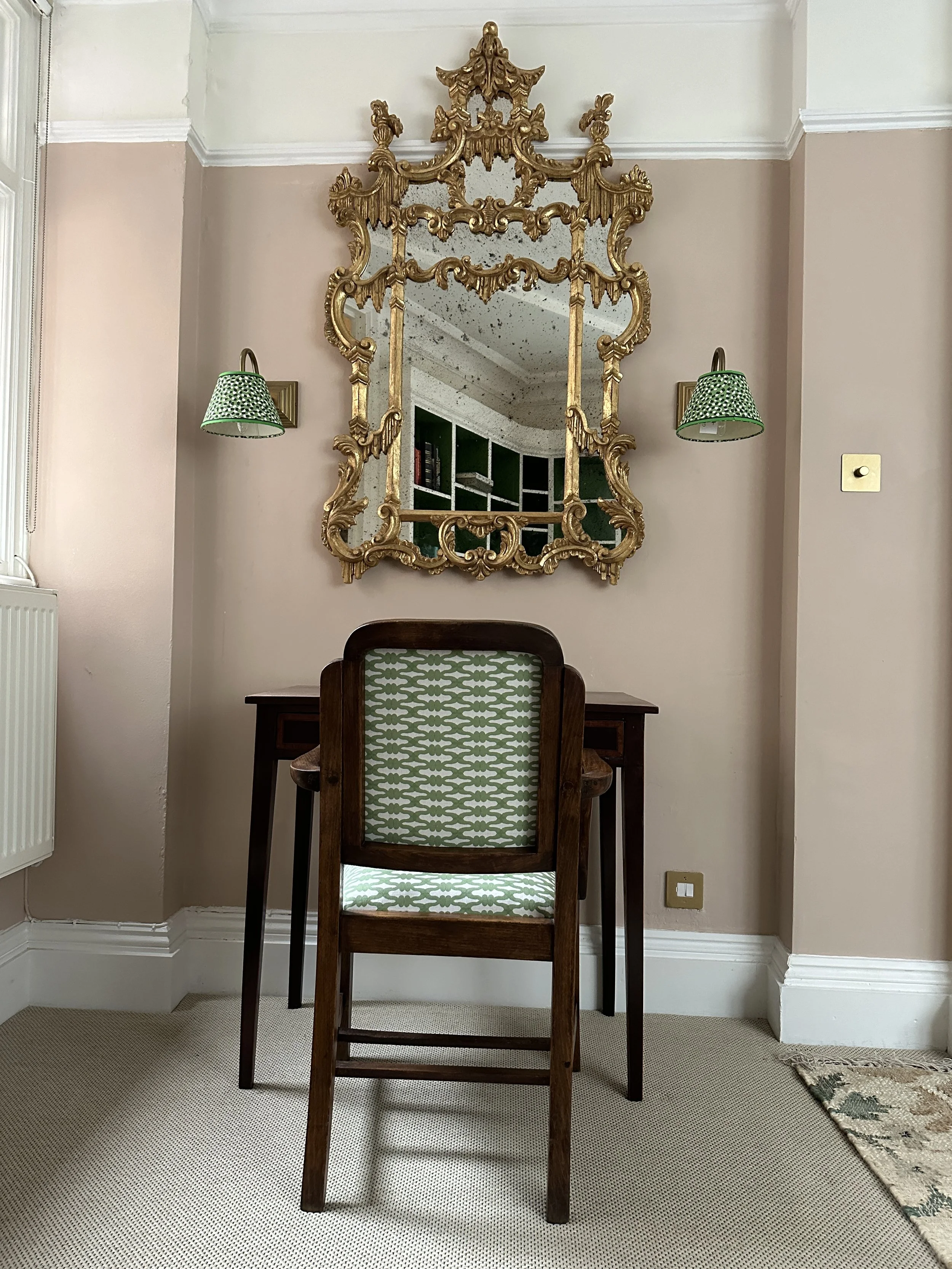
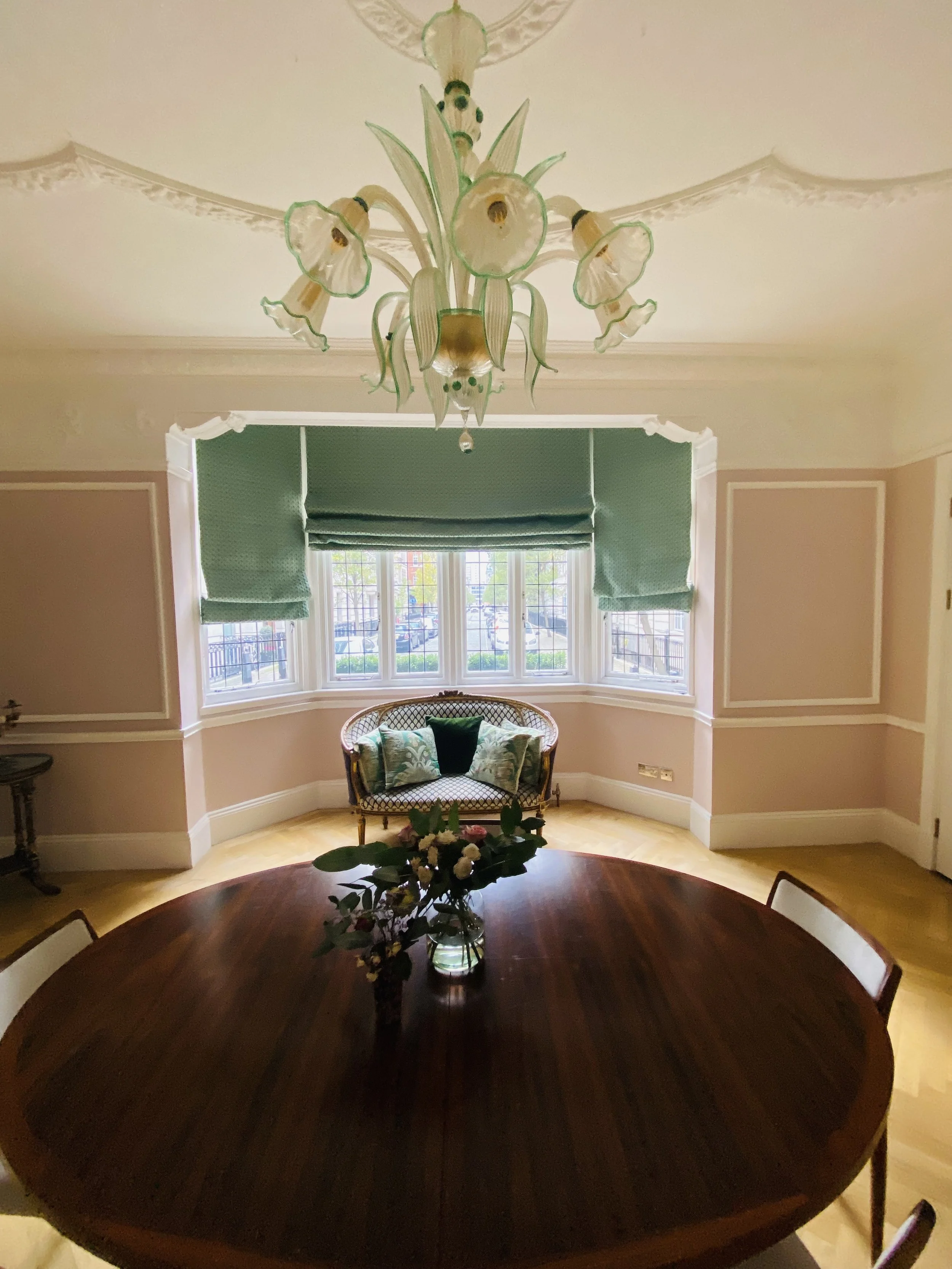
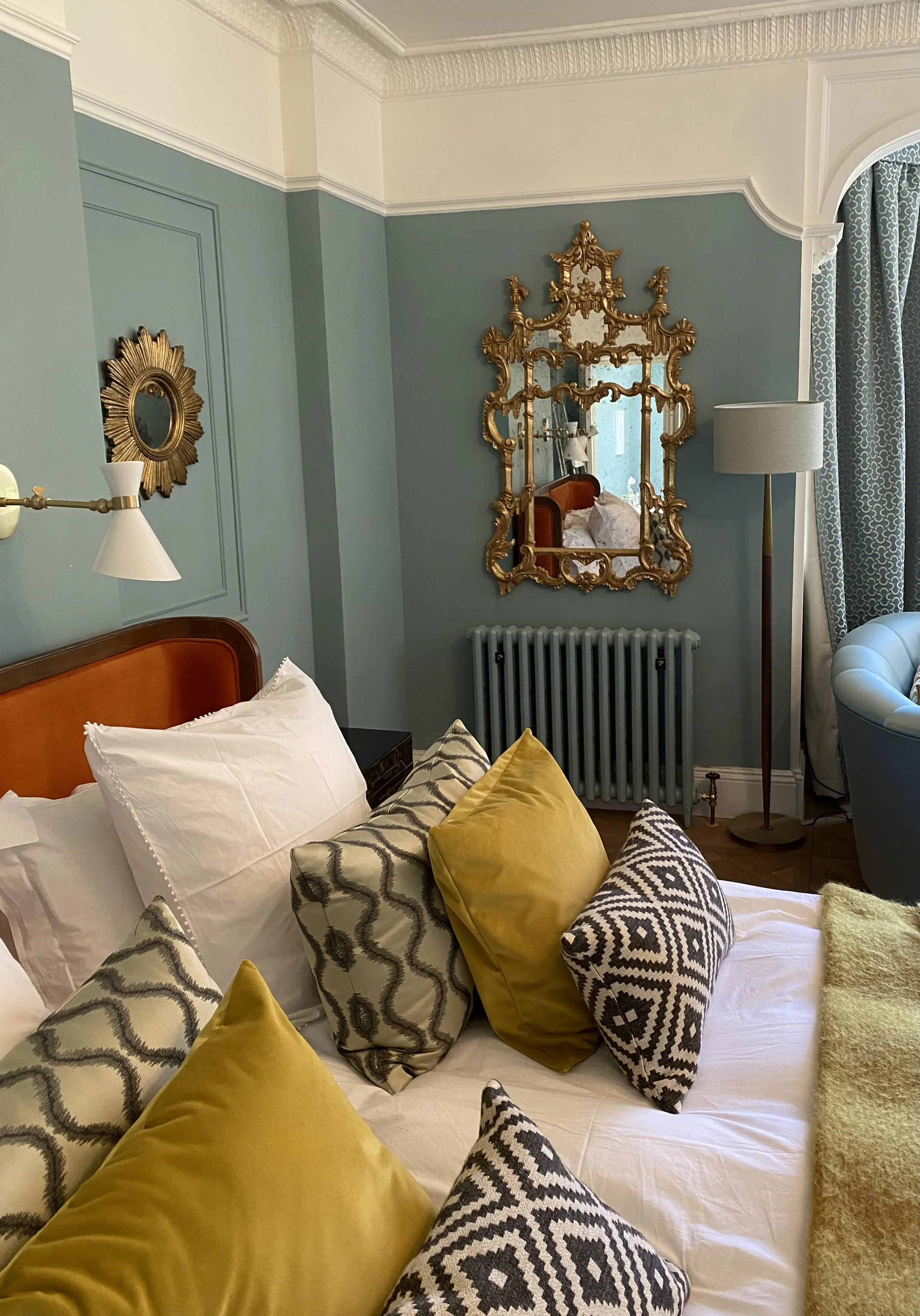
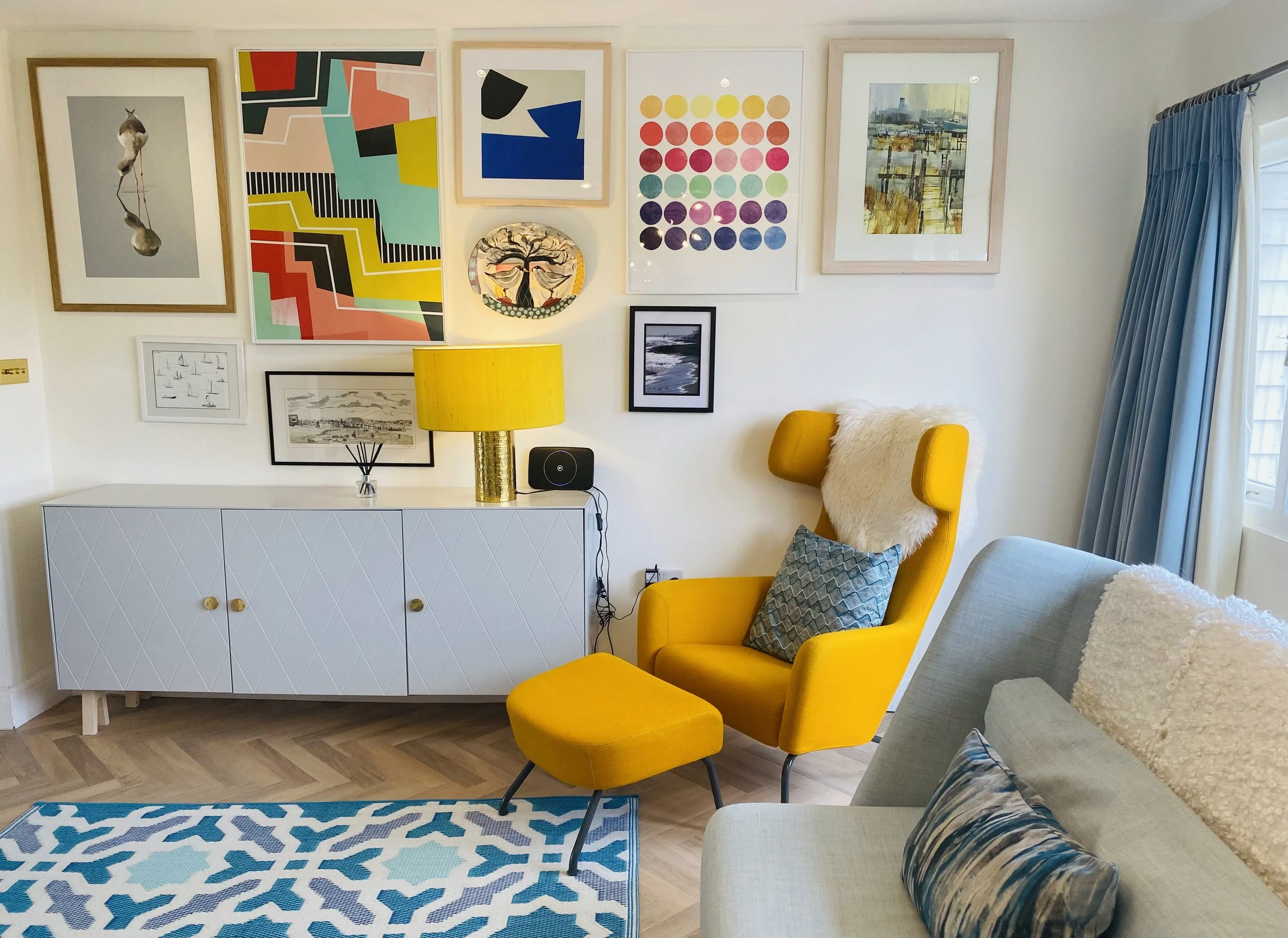
Sourced Pieces from Recent London Interior Projects
For period, Art Deco and Mid-Century homes especially, successful sourcing requires a mix of showroom visits, specialist suppliers, antique dealers, online platforms and reclamation yards. The best interiors rarely come entirely from one place. Instead, they evolve through a combination of carefully sourced pieces that bring warmth, individuality and depth to a space.
One of the first places many London designers begin is Design Centre, Chelsea Harbour — widely regarded as the city’s leading destination for interior design showrooms. With more than 130 showrooms and hundreds of international brands, it has become an essential resource for sourcing fabrics, lighting, furniture, wallcoverings and finishes.
Visiting Chelsea Harbour allows designers to experience materials and finishes in person, which remains incredibly important despite the growth of online sourcing. Fabric tones shift dramatically under different lighting conditions, timber finishes vary subtly in texture and furniture proportions are often difficult to judge accurately online. Walking through showrooms also helps refine the overall atmosphere of a project, particularly when balancing contemporary elements within older London properties.
Many designers use Chelsea Harbour not simply to purchase pieces directly, but to build layered schemes and discover new makers. Showrooms such as those specialising in textiles, decorative lighting and bespoke furniture often become long-term resources throughout multiple stages of a project.
Lighting is one of the areas where sourcing can transform an interior most dramatically. Pooky has become a favourite among many London designers for decorative lighting that feels characterful without becoming overly formal. Their table lamps, shades and wall lights work particularly well in period homes where softer, layered lighting is essential to creating warmth and atmosphere.
For more bespoke or sculptural lighting, many designers combine contemporary pieces with vintage fixtures sourced through dealers or reclamation yards. In Victorian and Georgian homes, mixing contemporary lighting with retained architectural details often creates a more balanced and liveable result than attempting to recreate a historically accurate scheme throughout.
Antiques remain central to many successful London interiors because they introduce irregularity, age and texture that newer pieces often lack. Even within contemporary spaces, antique furniture helps interiors feel grounded and collected over time.
Online platforms have changed antique sourcing considerably in recent years. Vinterior has become one of the most useful resources for sourcing vintage and antique furniture across the UK and Europe. The platform allows designers to search by style, period, material and scale, making it particularly useful during fast-moving renovation projects where timelines are tight.
For London projects, Vinterior is often used alongside in-person sourcing, visiting one of the many carboot or vintage fairs are good places to look, Chiswick carboot, Sunbury market Sandown racecourse and Alfies antique market. A designer may source larger anchor pieces online while continuing to visit antique markets and dealers for smaller objects, lighting and decorative layers that give a home individuality.
Reclamation yards remain invaluable when restoring or enhancing period properties. LASSCO is one of London’s best-known architectural salvage destinations, offering reclaimed fireplaces, doors, flooring, lighting and architectural details. These types of pieces are especially useful when renovating Victorian or Edwardian homes that have lost original features through previous refurbishments.
Similarly, Retrouvius has become known for sourcing reclaimed materials and unusual vintage pieces that bring depth and character to contemporary interiors. Reclaimed elements often introduce a sense of authenticity that cannot easily be replicated through reproduction products.
London designers also rely heavily on smaller independent suppliers and specialist makers throughout the city. Upholsterers, curtain makers, decorative painters, joiners and stone specialists frequently become an essential part of the sourcing process. Some of the most successful interiors emerge not from buying complete schemes directly from retailers, but from combining bespoke craftsmanship with carefully selected vintage and contemporary pieces. Getting furniture reupholstered will transform existing furniture, and is a sustainable choice.
Online sourcing has undoubtedly expanded access to furniture and materials, but it has also increased the importance of editing. One of the designer’s key roles is filtering through the enormous volume of available products and selecting pieces that feel cohesive within the architecture of the property itself.
This is especially important in London homes, where architectural character varies enormously between Victorian terraces, Art Deco apartments and Mid-Century properties. A piece that works beautifully in a converted warehouse may feel completely out of place in a Georgian drawing room. Good sourcing is not simply about finding beautiful objects — it is about understanding proportion, atmosphere, texture and context.
Ultimately, the most interesting London interiors tend to avoid feeling overly decorated or sourced entirely from one aesthetic direction. The homes that feel most timeless usually combine contemporary comfort with layers of history: antiques alongside modern upholstery, reclaimed lighting against fresh plaster walls, bespoke joinery paired with vintage furniture collected gradually over time.
That balance is often what gives a home depth, personality and longevity — and sourcing thoughtfully is what makes it possible.